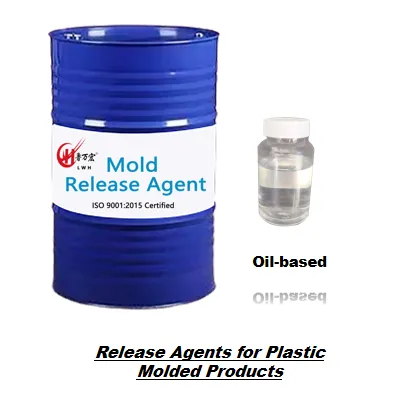
agente de liberação de poliuretano
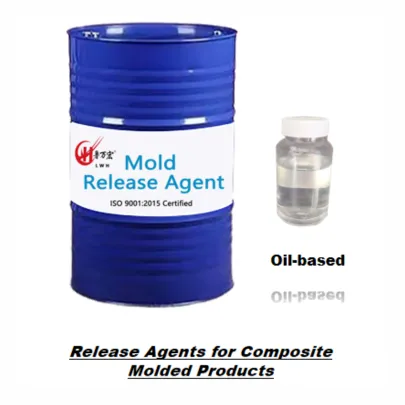
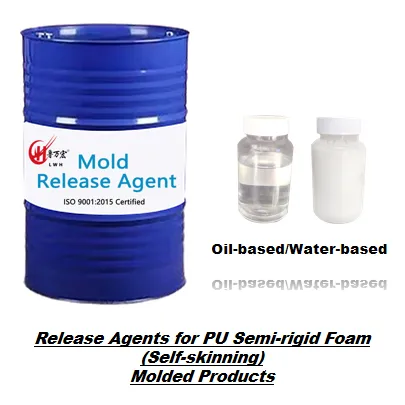
O agente desmoldante de poliuretano representa uma solução química especializada projetada para evitar a adesão entre produtos de poliuretano e suas superfícies de fabricação durante os processos produtivos. Este produto químico industrial essencial atua como um revestimento barrier que facilita a remoção limpa de componentes de poliuretano curados de moldes, ferramentas e equipamentos de processamento, sem causar danos nem ao produto acabado nem ao aparato de fabricação. O agente desmoldante de poliuretano funciona criando uma camada de filme microscópico que interrompe o processo de ligação molecular entre o material de poliuretano e a superfície do substrato. Essa abordagem tecnológica garante operações de desmolde suaves, mantendo a integridade estrutural e a qualidade superficial dos produtos finais de poliuretano. Os agentes desmoldantes de poliuretano modernos incorporam formulações avançadas que oferecem desempenho consistente em diversas faixas de temperatura e condições de processamento. Esses agentes geralmente contêm compostos à base de silicone, fluoropolímeros ou ceras especializadas que proporcionam propriedades eficazes de liberação, permanecendo quimicamente inertes em relação à química do poliuretano. As características tecnológicas das formulações contemporâneas de agentes desmoldantes de poliuretano incluem baixa tensão superficial, estabilidade térmica e compatibilidade com diferentes sistemas de poliuretano, incluindo espumas flexíveis, espumas rígidas, elastômeros e revestimentos. As aplicações industriais de agentes desmoldantes de poliuretano abrangem inúmeras indústrias, como a produção de componentes automotivos, fabricação de móveis, materiais de construção, produção de calçados e operações especializadas de moldagem. O agente mostra-se particularmente valioso em ambientes de produção em alto volume, onde o desempenho consistente na liberação impacta diretamente a eficiência operacional e os padrões de qualidade dos produtos. Formulações avançadas de agentes desmoldantes de poliuretano também incorporam propriedades antiestáticas e características de durabilidade aprimoradas, que reduzem a frequência de reaplicação, melhorando assim a produtividade geral da fabricação e reduzindo os custos operacionais para os usuários industriais.

 EN
EN