உயர்ந்த வெப்பநிலை ஸ்திரத்தன்மை மற்றும் நீண்ட கால வேலை நேர ஒப்புதல்
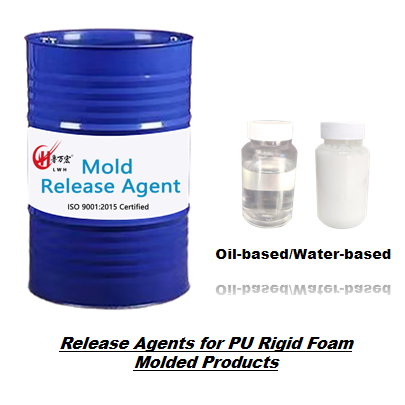
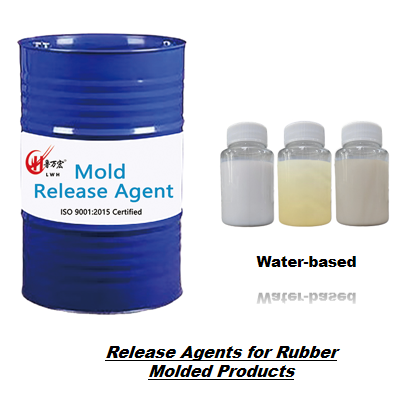
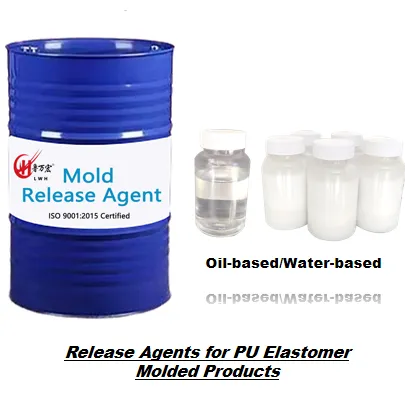
குளிர்ந்த கியூர் ஃபோம் பயன்பாடுகளில், பாரம்பரிய ரிலீஸ் முகவர்கள் தொடர்ச்சியான முடிவுகளை வழங்க முடியாத வெப்பநிலை மேலாண்மை சூழ்நிலைகளில், சிறந்த பியூ நெகிழ்வான ஃபோம் ரிலீஸ் முகவர் சிறப்பாகச் செயல்படுகிறது. இந்த அசாதாரண வெப்ப நிலைத்தன்மை, உயர் வெப்பத்தை எதிர்க்கும் வேதிப் பிணைப்புகளை உருவாக்கும் மேம்பட்ட மூலக்கூறு பொறியியல் காரணமாக ஏற்படுகிறது, இது நீண்ட கால உற்பத்தி சுழற்சிகளிலும் சிறந்த ரிலீஸ் பண்புகளைப் பராமரிக்கிறது. ஹாட் கியூர் அமைப்புகளை விட, குளிர்ந்த கியூர் ஃபோம் பயன்பாடுகள் பெரும்பாலும் துல்லியமான வெப்பநிலை கட்டுப்பாட்டையும், நீண்ட வேலை நேரங்களையும் தேவைப்படுகின்றன, இது ரிலீஸ் முகவர் செயல்திறன்மீது தனித்துவமான தேவைகளை விதிக்கிறது. இந்த சவால்களை, அடிப்படை வெப்பநிலை மாற்றங்களுக்கு இடையே நிலையாக இருக்கும் சிறப்பு சிலிக்கோன் பின்னணி கட்டமைப்புகள் மூலம் இந்த கலவை சமாளிக்கிறது, அழிவதோ அல்லது திறனை இழப்பதோ இல்லாமல் இருக்கிறது. மாறுபடும் சுற்றுச்சூழல் நிலைமைகளில் செயல்படும் உற்பத்தி நிலையங்கள் இந்த வெப்ப தடையின்மையிலிருந்து குறிப்பிடத்தக்க பலனைப் பெறுகின்றன, ஏனெனில் பருவகால வெப்பநிலை ஏற்றஇறக்கங்கள் அல்லது நிலையத்தின் காலநிலை மாற்றங்களைப் பொருட்படுத்தாமல், முகவர் தொடர்ச்சியான கனம் மற்றும் பயன்பாட்டு பண்புகளைப் பராமரிக்கிறது. ஃபோம் ஊசி போடுதல் மற்றும் கியூரிங் செயல்முறைகளுக்கு சரியான முடிவுக்கு கூடுதல் நேரம் தேவைப்படும் சிக்கலான மோல்டிங் செயல்பாடுகளுக்கு, நீண்ட வேலை நேர ஒப்புதல் மிகவும் மதிப்புமிக்கதாக உள்ளது. பாரம்பரிய ரிலீஸ் முகவர்கள் பெரும்பாலும் நீண்ட கால வெளிப்படுதலின் போது செயல்திறன் குறைவை அனுபவிக்கின்றன, இது மாறுபட்ட ரிலீஸ் பண்புகளையும், உற்பத்தி தோல்விகளுக்கான சாத்தியத்தையும் ஏற்படுத்துகிறது. குளிர்ந்த கியூர் ஃபோமுக்கான சிறந்த பியூ நெகிழ்வான ஃபோம் ரிலீஸ் முகவர், நீண்ட கால தொடர்பு காலங்களிலும் அதன் பாதுகாப்பு தடையின் முழுமைத்தன்மையை பராமரிக்கிறது, உற்பத்தி அட்டவணைகள் சாதாரண அளவுகளை மீறினாலும் கூட நம்பகமான டிமோல்டிங்கை உறுதி செய்கிறது. இந்த ஸ்திரத்தன்மை, உற்பத்தி திட்டமிடலின் நெகிழ்வுத்தன்மையை மேம்படுத்துகிறது, தயாரிப்புத் தரத்தையோ அல்லது ரிலீஸ் செயல்திறனையோ பாதிக்காமல் உற்பத்தியாளர்கள் சுழற்சி நேரங்களை சரிசெய்ய அனுமதிக்கிறது. வெப்ப எதிர்ப்பு திறன்கள் உற்பத்தியின் போது பாதுகாப்பு அளவுகளையும் மேம்படுத்துகின்றன, வெப்ப சுழற்சி மற்றும் உபகரணங்களின் வெப்பநிலை மாற்றங்களுடன் தொடர்புடைய ஆபத்துகளைக் குறைக்கின்றன. துல்லியமான செயல்முறை கட்டுப்பாட்டை சாத்தியமாக்கும் முன்னறிவிக்கப்பட்ட செயல்திறன் பண்புகளை தரம் உறுதி அணிகள் பாராட்டுகின்றன, இது முடிக்கப்பட்ட தயாரிப்பு தரவிருத்தங்களில் குறைந்த மாற்றத்தை அனுமதிக்கிறது. மற்ற ரிலீஸ் முகவர்கள் தோல்வியடையக்கூடிய சவாலான உற்பத்தி சூழ்நிலைகளில் கூட திறனை பராமரிக்க, மூலக்கூறு சிதைவை அழுத்த நிலைமைகளில் தடுக்கும் வெப்ப நிலைத்தன்மை முகவர்களை கலவை வேதியியல் சேர்க்கிறது.

 EN
EN