Premium Mold Release Agent for Polyurethane - Superior Demolding Solutions & Manufacturing Efficiency

All Categories

mold release agent for polyurethane

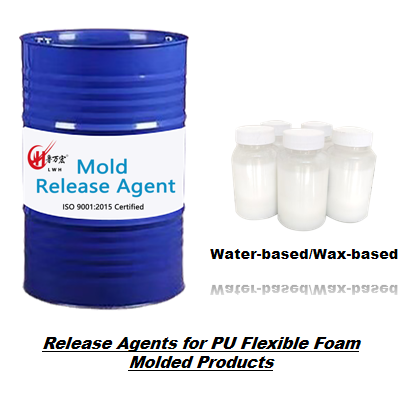
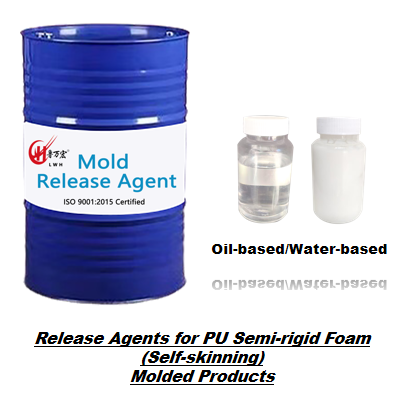
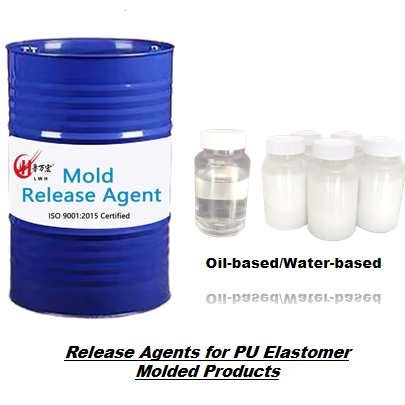
Mold release agent for polyurethane represents a critical component in manufacturing processes where polyurethane materials are molded or cast. This specialized chemical solution serves as an essential barrier between the polyurethane and the mold surface, preventing adhesion and enabling smooth demolding operations. The primary function of a mold release agent for polyurethane involves creating a thin, uniform layer that separates the cured polyurethane product from the mold cavity, ensuring clean release without damage to either the finished product or the mold itself. These agents work by forming a lubricating interface that reduces surface tension and prevents chemical bonding between the polyurethane and mold material. Technologically, modern mold release agent for polyurethane formulations incorporate advanced chemistry that provides excellent thermal stability, chemical resistance, and compatibility with various polyurethane systems. They typically contain silicone-based compounds, fluoropolymers, or specialized waxes that maintain their effectiveness across wide temperature ranges and resist degradation from polyurethane chemicals. The technological features include rapid application methods, consistent coverage, and minimal transfer to the finished product surface. Applications for mold release agent for polyurethane span numerous industries including automotive manufacturing, furniture production, construction materials, footwear, and industrial components. In automotive applications, these agents facilitate the production of polyurethane foam seats, dashboard components, and suspension bushings. Furniture manufacturers rely on mold release agent for polyurethane when creating foam cushions, decorative elements, and structural components. Construction industry applications include insulation panels, architectural elements, and sealants. The versatility of mold release agent for polyurethane makes it indispensable for both rigid and flexible polyurethane applications, supporting high-volume production requirements while maintaining consistent quality standards. Understanding the proper selection and application of mold release agent for polyurethane ensures optimal manufacturing efficiency and product quality.

New Product Recommendations

The advantages of using mold release agent for polyurethane extend far beyond simple demolding assistance, delivering tangible benefits that directly impact production efficiency and cost-effectiveness. First and foremost, proper application of mold release agent for polyurethane dramatically reduces demolding time, allowing manufacturers to increase production cycles and meet higher output demands. This time savings translates directly into reduced labor costs and improved manufacturing throughput. The agent eliminates the need for mechanical force during demolding, which protects both the finished polyurethane products and expensive mold equipment from damage, extending mold life significantly and reducing replacement costs. Quality consistency represents another major advantage, as mold release agent for polyurethane ensures uniform surface finish on every part produced. This consistency eliminates quality variations that can lead to product rejection and rework costs. The agent also prevents contamination issues that can occur when polyurethane adheres to mold surfaces, maintaining clean production environments and reducing cleaning requirements between production runs. From an operational standpoint, mold release agent for polyurethane simplifies the manufacturing process by creating predictable, repeatable results that reduce operator training requirements and minimize production errors. The cost benefits extend to reduced waste generation, as successful demolding means fewer damaged parts and less material consumption. Additionally, the protective properties of quality mold release agent for polyurethane help maintain precise mold dimensions over extended periods, ensuring dimensional accuracy in finished products and reducing the need for frequent mold maintenance or replacement. Environmental advantages include formulations that comply with workplace safety regulations while maintaining high performance standards. Many modern mold release agent for polyurethane products feature low VOC content and biodegradable components that support sustainable manufacturing practices. The operational flexibility provided by these agents allows manufacturers to work with various polyurethane formulations and mold materials without significant process modifications. Temperature stability ensures consistent performance across different processing conditions, making mold release agent for polyurethane suitable for both room temperature and elevated temperature applications. These combined advantages make investing in quality mold release agent for polyurethane a strategic decision that impacts multiple aspects of manufacturing operations while delivering measurable returns on investment through improved efficiency, reduced costs, and enhanced product quality.

Tips And Tricks

What Makes Luwanhong Release Agent Stand Out in Manufacturing?

22

Sep

What Makes Luwanhong Release Agent Stand Out in Manufacturing?

Innovation and Excellence in Industrial Release Solutions In the ever-evolving landscape of industrial manufacturing, the choice of release agents plays a pivotal role in production efficiency and product quality. Luwanhong release agent has emerged ...
View More
Can Oil Based Release Agent Ensure Smooth and Clean Releases?

22

Sep

Can Oil Based Release Agent Ensure Smooth and Clean Releases?

Understanding the Power of Oil Based Release Agents in Modern Construction The construction industry constantly seeks innovative solutions to enhance efficiency and quality in concrete work. Oil based release agents have emerged as a vital component ...
View More
How to Apply PU Flexible Foam Release Agent for Best Results?

27

Oct

How to Apply PU Flexible Foam Release Agent for Best Results?

Mastering the Application of Release Agents in Polyurethane Foam Production The successful production of polyurethane flexible foam products heavily depends on the proper application of release agents. These specialized chemicals play a crucial role ...
View More
Why Is PU HR Release Agent Essential in Foam Production?

27

Oct

Why Is PU HR Release Agent Essential in Foam Production?

Understanding the Critical Role of Release Agents in Polyurethane Foam Manufacturing The polyurethane foam manufacturing industry has evolved significantly over the decades, and at its heart lies a crucial component that often goes unnoticed – ...
View More

Get a Free Quote

Our representative will contact you soon.
Email
Name
Company Name
Message
0/1000

mold release agent for polyurethane

Superior Demolding Performance and Mold Protection

Superior Demolding Performance and Mold Protection

The exceptional demolding performance delivered by premium mold release agent for polyurethane represents a game-changing advantage for manufacturers seeking to optimize their production processes while protecting valuable mold investments. This superior performance stems from advanced formulation chemistry that creates an ultra-thin, uniform barrier layer between the polyurethane material and mold surface. The molecular structure of effective mold release agent for polyurethane incorporates specialized compounds that maintain their lubricating properties throughout the entire curing process, ensuring consistent release characteristics from the initial gel stage through complete polyurethane cure. This reliability eliminates the unpredictability often associated with inferior release agents that may work intermittently or fail under specific conditions. The protection aspect extends beyond simple release functionality, as quality mold release agent for polyurethane actively shields mold surfaces from chemical attack, thermal stress, and mechanical wear. Polyurethane chemicals can be aggressive toward certain mold materials, particularly when processing at elevated temperatures or with catalyzed systems. The protective barrier formed by professional-grade mold release agent for polyurethane prevents these chemicals from making direct contact with mold surfaces, significantly extending mold service life and maintaining dimensional accuracy over thousands of production cycles. This protection translates into substantial cost savings by reducing mold replacement frequency and maintenance requirements. Furthermore, the superior demolding performance eliminates the need for excessive force during part removal, which can cause micro-cracks in mold surfaces or damage delicate mold details. The smooth, effortless release achieved with proper mold release agent for polyurethane application preserves both the mold integrity and the surface quality of finished polyurethane products. This dual protection benefit creates a positive cycle where improved mold condition leads to better part quality, which in turn reduces quality control issues and customer complaints. Manufacturing operations experience enhanced productivity as consistent demolding performance eliminates production delays caused by stuck parts or mold damage, while the extended mold life provides predictable equipment costs and reduced downtime for mold maintenance or replacement.
Enhanced Surface Quality and Finish Consistency

Enhanced Surface Quality and Finish Consistency

The impact of professional mold release agent for polyurethane on surface quality and finish consistency cannot be overstated, as these factors directly influence product aesthetics, functionality, and market acceptance. Advanced mold release agent for polyurethane formulations are engineered to provide minimal transfer to the finished polyurethane surface while maintaining excellent release properties. This careful balance ensures that the polyurethane products emerge from the mold with clean, pristine surfaces that meet the highest quality standards without requiring additional post-processing or surface preparation. The consistency aspect proves particularly valuable in high-volume production environments where maintaining uniform appearance across thousands of parts becomes critical for brand integrity and customer satisfaction. Quality mold release agent for polyurethane eliminates common surface defects such as orange peel texture, surface pits, or irregular gloss levels that can occur when polyurethane adheres to mold surfaces or when inferior release agents create uneven coverage. The molecular design of premium formulations creates a stable interface that promotes smooth polyurethane flow and eliminates air entrapment that can cause surface blemishes. This results in parts with consistent color depth, uniform texture, and predictable surface properties that meet stringent quality specifications. The enhanced surface quality achieved with proper mold release agent for polyurethane application also impacts subsequent manufacturing operations. Parts with superior surface finish require less preparation for painting, coating, or bonding operations, reducing processing time and material costs in downstream operations. The consistent surface chemistry provided by quality release agents ensures predictable adhesion characteristics when secondary operations are required, eliminating variability that can cause process failures or quality issues. Additionally, the improved surface quality contributes to better dimensional stability in finished parts, as surface stress concentrations that can lead to warping or distortion are minimized. This dimensional consistency becomes particularly important in precision applications where tight tolerances must be maintained. The professional appearance achieved through proper mold release agent for polyurethane use also enhances product marketability, as consumers and industrial customers increasingly demand high-quality finishes that reflect manufacturing excellence and attention to detail.
Cost-Effective Production Optimization and Operational Efficiency

Cost-Effective Production Optimization and Operational Efficiency

The strategic implementation of high-performance mold release agent for polyurethane delivers comprehensive cost optimization benefits that extend throughout the entire manufacturing operation, creating measurable improvements in both direct and indirect cost categories. Direct cost savings begin with reduced material waste, as successful demolding operations eliminate the product losses typically associated with parts that stick to molds or suffer damage during removal attempts. These waste reductions become particularly significant in high-value polyurethane applications where raw material costs represent a substantial portion of production expenses. The operational efficiency gains achieved through proper mold release agent for polyurethane use create additional cost benefits by enabling faster production cycles and higher equipment utilization rates. Reduced demolding time allows manufacturers to increase throughput without additional equipment investment, effectively improving return on existing capital assets. This efficiency improvement becomes compounded when considering the elimination of production delays caused by stuck parts, mold cleaning requirements, or equipment damage that can shut down production lines for extended periods. Labor cost optimization represents another significant advantage, as simplified demolding operations reduce the skill level and time required for part removal, allowing manufacturers to optimize workforce allocation and reduce training requirements. The predictable performance delivered by quality mold release agent for polyurethane also reduces the need for specialized troubleshooting expertise, as consistent results minimize process variations that typically require engineering intervention. Equipment maintenance costs decrease substantially when mold release agent for polyurethane prevents mold damage and reduces cleaning requirements between production runs. The extended service life of properly protected molds translates into predictable capital expenditure planning and reduced emergency repair costs. Energy efficiency improvements occur through reduced processing time and elimination of additional heating cycles that may be required to facilitate difficult demolding operations. Quality-related cost benefits include reduced inspection requirements, lower rejection rates, and decreased customer complaint handling, all of which contribute to improved profitability. The cumulative effect of these cost optimizations makes investing in premium mold release agent for polyurethane a strategic decision that pays dividends across multiple operational areas while supporting long-term manufacturing competitiveness and profitability growth.

Get a Free Quote

Our representative will contact you soon.
Email
Name
Company Name
Message
0/1000