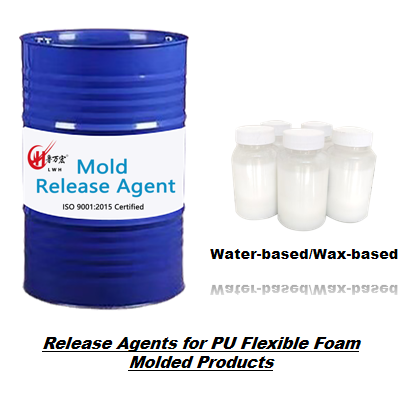
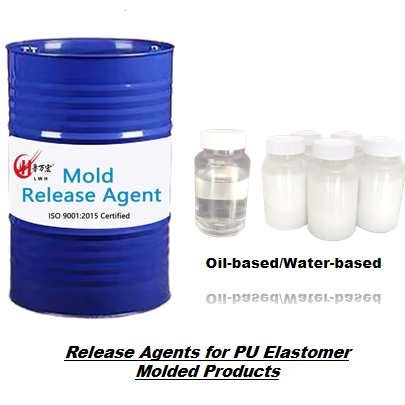
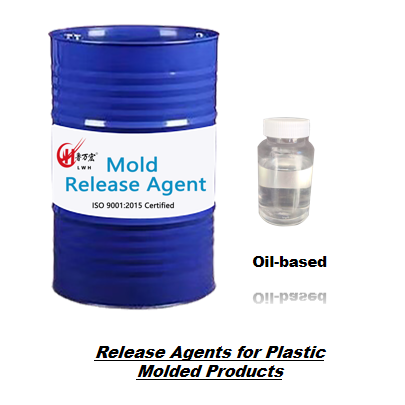
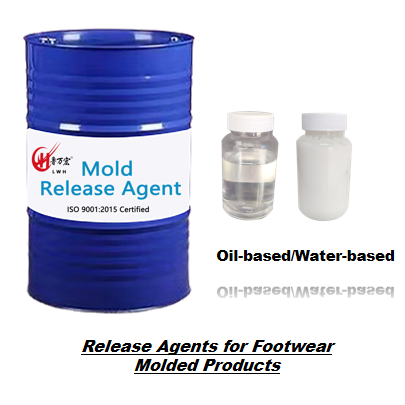
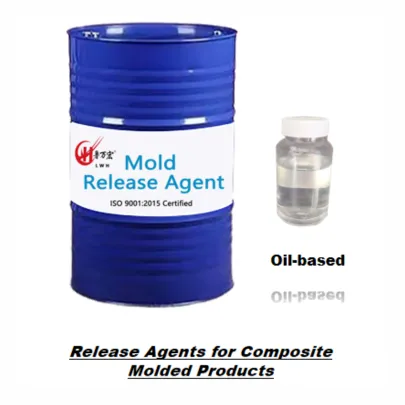
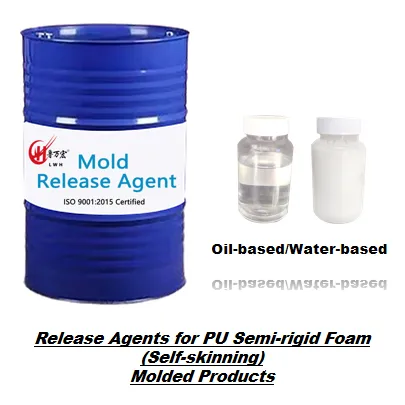
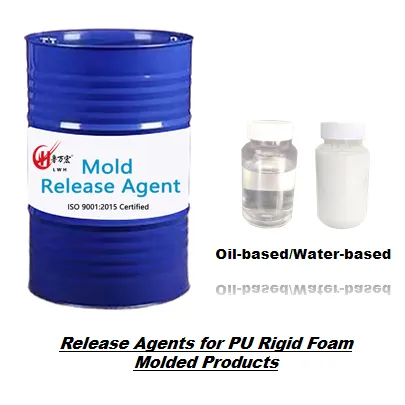
Premium Slow Rebound Foam Release Agent - Advanced Non-Stick Technology for Manufacturing Excellence

All Categories

slow rebound foam release agent

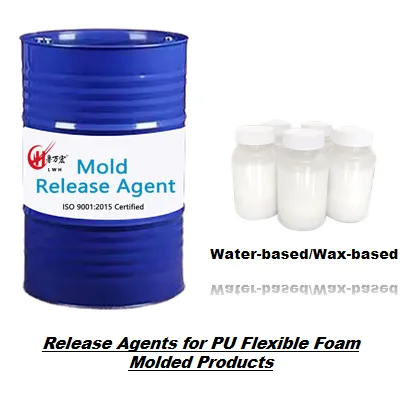
Slow rebound foam release agent represents a specialized chemical solution designed to facilitate the smooth demolding process of memory foam and polyurethane foam products. This innovative release agent serves as a crucial component in foam manufacturing, ensuring that finished products can be easily separated from molds without damage or surface defects. The slow rebound foam release agent works by creating a thin, uniform barrier between the foam material and the mold surface during the curing process. This barrier prevents adhesion while maintaining the integrity of both the foam product and the mold itself. The technological features of slow rebound foam release agent include exceptional thermal stability, allowing it to perform effectively across a wide temperature range typically encountered in foam production processes. Its formulation incorporates advanced silicone-based compounds that provide superior non-stick properties while remaining chemically inert to the foam materials. The agent demonstrates excellent wetting characteristics, spreading evenly across mold surfaces to ensure complete coverage without pooling or uneven distribution. Applications for slow rebound foam release agent span across multiple industries, including automotive manufacturing where it aids in producing car seat cushions and interior padding. The furniture industry relies on this release agent for manufacturing mattresses, pillows, and upholstered furniture components. Medical device manufacturers utilize slow rebound foam release agent in creating specialized foam products for patient positioning and therapeutic applications. Additionally, the packaging industry employs this technology for producing protective foam inserts and custom-fitted packaging solutions. The aerospace sector also benefits from slow rebound foam release agent in manufacturing lightweight foam components for aircraft interiors and insulation systems.

New Products

The slow rebound foam release agent delivers numerous practical benefits that directly impact manufacturing efficiency and product quality. First, this specialized agent significantly reduces production downtime by enabling faster demolding cycles. Manufacturers can remove finished foam products more quickly and consistently, leading to increased throughput and higher productivity levels. The enhanced demolding speed translates into cost savings through improved operational efficiency and reduced labor requirements. Quality improvement represents another major advantage of slow rebound foam release agent implementation. The agent prevents surface defects such as tearing, dimpling, or texture transfer that commonly occur during difficult demolding processes. This consistent surface quality reduces waste and rework, contributing to better profit margins and customer satisfaction. The slow rebound foam release agent also extends mold life significantly by reducing wear and tear during the demolding process. Without proper release agents, molds experience stress and potential damage from forceful product removal, requiring frequent maintenance or replacement. Cost-effectiveness emerges as a compelling benefit when considering the long-term value proposition. While the initial investment in quality slow rebound foam release agent may seem significant, the savings from reduced mold maintenance, decreased product defects, and improved production efficiency quickly offset this expense. The agent's concentrated formulation means smaller quantities are needed per application, further enhancing its economic value. Environmental considerations also favor slow rebound foam release agent usage. Modern formulations are designed with reduced volatile organic compound emissions, supporting cleaner manufacturing environments and regulatory compliance. This environmental friendliness appeals to companies pursuing sustainability goals while maintaining production excellence. Versatility stands out as another practical advantage, as slow rebound foam release agent works effectively with various foam densities and formulations. This adaptability eliminates the need for multiple release agent products, simplifying inventory management and reducing procurement complexity. The consistent performance across different foam types ensures reliable results regardless of production variations or special requirements.

Tips And Tricks

Epoxy Resin Release Agent Applications in Casting and Composites

27

Aug

Epoxy Resin Release Agent Applications in Casting and Composites

Understanding the Essential Role of Release Agents in Epoxy Applications In the world of manufacturing and crafting with epoxy resins, success often hinges on the proper use of release agents. These specialized compounds play a crucial role in ensuri...
View More
How Does Luwanhong Release Agent Improve Production Efficiency?

22

Sep

How Does Luwanhong Release Agent Improve Production Efficiency?

Maximizing Manufacturing Productivity with Advanced Release Agents In today's competitive manufacturing landscape, production efficiency stands as a cornerstone of success. The application of high-quality release agent has emerged as a game-changing ...
View More
Top Advantages of Using Luwanhong Release Agent in Factories

22

Sep

Top Advantages of Using Luwanhong Release Agent in Factories

Transforming Industrial Production with Advanced Release Agents The manufacturing industry constantly seeks innovative solutions to enhance production efficiency and product quality. Among these solutions, Luwanhong release agent has emerged as a gam...
View More
How Does PU HR Release Agent Improve Mold Performance?

27

Oct

How Does PU HR Release Agent Improve Mold Performance?

Maximizing Industrial Mold Efficiency with Advanced Release Agents The manufacturing industry continually seeks innovative solutions to enhance production efficiency and product quality. Among these advancements, PU HR release agent has emerged as a ...
View More

Get a Free Quote

Our representative will contact you soon.
Email
Name
Company Name
Message
0/1000

slow rebound foam release agent

Superior Non-Stick Performance Technology

Superior Non-Stick Performance Technology

The slow rebound foam release agent incorporates cutting-edge non-stick technology that revolutionizes the demolding experience for foam manufacturers. This advanced formulation utilizes proprietary silicone-based compounds that create an ultra-thin, molecularly smooth barrier between the foam and mold surfaces. The technology works at the molecular level, preventing chemical bonding between the curing foam and the mold material while maintaining complete surface integrity. This superior non-stick performance eliminates the frustrating challenges of stuck products, torn surfaces, and damaged molds that plague traditional manufacturing processes. The slow rebound foam release agent's non-stick capabilities remain consistent across multiple production cycles, ensuring reliable performance that manufacturers can depend upon for continuous operations. Unlike conventional release agents that may lose effectiveness over time or require frequent reapplication, this advanced technology maintains its performance characteristics throughout extended production runs. The molecular structure of the slow rebound foam release agent creates a self-renewing surface that continues to provide excellent release properties even after numerous molding cycles. This consistency translates into predictable production schedules and reduced variability in product quality. Manufacturers benefit from the technology's ability to work effectively with complex mold geometries, including intricate details, undercuts, and textured surfaces that traditionally present demolding challenges. The superior non-stick performance also contributes to better surface finish quality on the final foam products, eliminating the need for secondary finishing operations in many applications. This technology advancement represents a significant leap forward in foam manufacturing efficiency, enabling producers to achieve higher quality standards while reducing production costs and complexity.
Enhanced Temperature Stability and Durability

Enhanced Temperature Stability and Durability

The slow rebound foam release agent exhibits exceptional temperature stability that sets it apart from conventional release agents in demanding manufacturing environments. This remarkable thermal performance allows the agent to maintain its effectiveness across the wide temperature ranges commonly encountered in foam production processes, from ambient conditions to elevated curing temperatures exceeding 200 degrees Fahrenheit. The enhanced temperature stability prevents the release agent from breaking down, evaporating prematurely, or losing its non-stick properties during high-temperature operations. This durability ensures consistent performance throughout the entire curing cycle, regardless of temperature fluctuations or extended processing times. The slow rebound foam release agent's thermal stability also contributes to longer-lasting mold protection, as the agent continues to provide effective barrier properties even under sustained heat exposure. This temperature resilience eliminates the need for frequent reapplication during production runs, reducing material consumption and labor requirements while maintaining optimal demolding performance. The durability characteristics extend beyond temperature resistance to include excellent chemical stability against various foam chemistries and additives commonly used in the industry. The slow rebound foam release agent maintains its integrity when exposed to catalysts, blowing agents, and other reactive components present in foam formulations. This chemical compatibility ensures that the release agent performs reliably across different foam types and formulations without compromising product quality or processing efficiency. The enhanced durability also translates into extended shelf life and storage stability, allowing manufacturers to maintain inventory without concerns about product degradation. The robust formulation resists separation, settling, or chemical changes during storage, ensuring consistent performance when the product is needed for production applications.
Eco-Friendly Formulation with Regulatory Compliance

Eco-Friendly Formulation with Regulatory Compliance

The slow rebound foam release agent represents a significant advancement in environmentally responsible manufacturing technology, featuring an eco-friendly formulation that addresses growing sustainability concerns while maintaining superior performance standards. This innovative approach prioritizes reduced environmental impact through the elimination of harmful volatile organic compounds and the incorporation of biodegradable components wherever possible. The eco-friendly nature of the slow rebound foam release agent helps manufacturers meet increasingly stringent environmental regulations while supporting corporate sustainability initiatives. The formulation complies with major international environmental standards, including restrictions on hazardous air pollutants and workplace safety requirements. This regulatory compliance provides manufacturers with confidence that their operations align with current and anticipated future environmental regulations. The slow rebound foam release agent's eco-friendly characteristics extend to its application methods, requiring minimal quantities per use and generating reduced waste compared to traditional release agents. The concentrated formulation means less packaging material and transportation requirements, further reducing the overall environmental footprint of the product lifecycle. Workers benefit from the eco-friendly formulation through improved workplace air quality and reduced exposure to potentially harmful chemical vapors. The low-emission characteristics of the slow rebound foam release agent contribute to healthier working environments while maintaining the high-performance standards required for efficient foam production. The sustainable approach also includes considerations for end-of-life disposal, with formulation components designed to minimize long-term environmental impact. This comprehensive environmental responsibility appeals to manufacturers seeking to enhance their sustainability profiles while maintaining operational excellence. The eco-friendly slow rebound foam release agent demonstrates that environmental stewardship and manufacturing performance are not mutually exclusive, providing a solution that benefits both business operations and environmental conservation efforts.

Get a Free Quote

Our representative will contact you soon.
Email
Name
Company Name
Message
0/1000