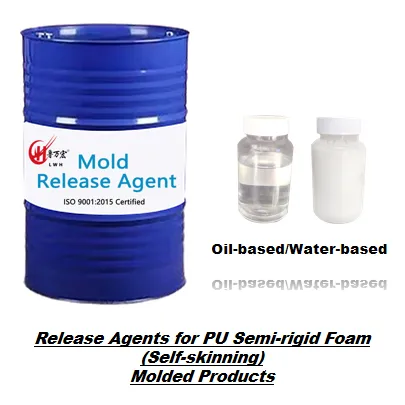
Premium Polyurethane Foam Mold Release Solutions - Industrial Grade Performance

All Categories

polyurethane foam mold release

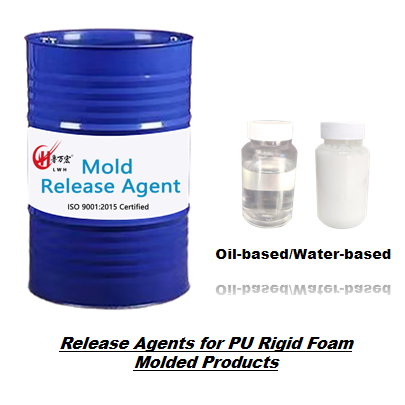
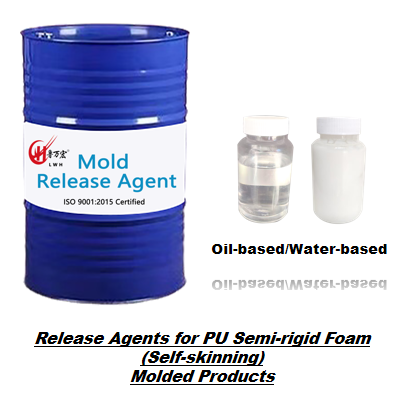
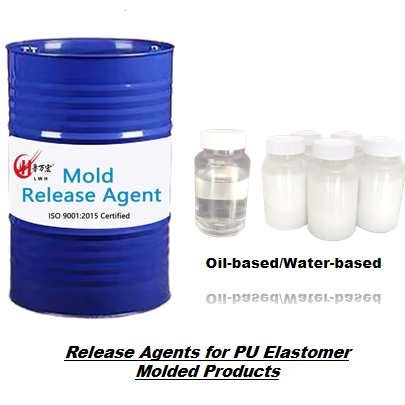
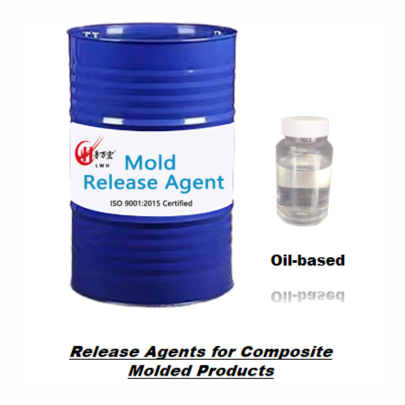
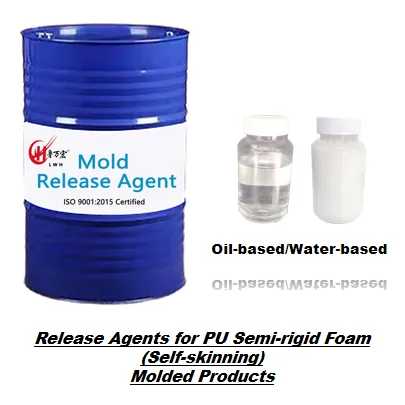
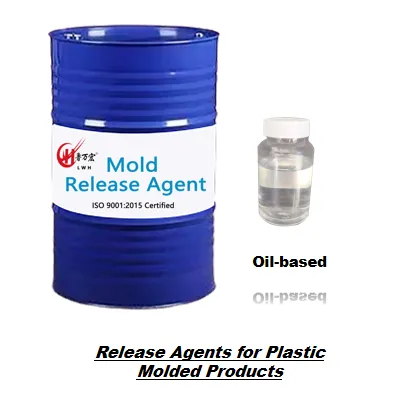
Polyurethane foam mold release represents a specialized chemical solution designed to facilitate the smooth separation of cured polyurethane foam products from their manufacturing molds. This essential industrial agent serves as a barrier coating that prevents adhesion between the expanding foam material and the mold surface during the curing process. The primary function of polyurethane foam mold release involves creating a thin, uniform layer that allows manufacturers to extract finished foam products without damage or surface defects. Modern formulations utilize advanced silicone-based compounds, wax emulsions, or fluorinated polymers that provide exceptional release properties while maintaining compatibility with various polyurethane foam chemistries. The technological features of contemporary polyurethane foam mold release systems include superior thermal stability, chemical resistance, and extended operational life cycles. These products demonstrate remarkable performance across diverse temperature ranges, typically from ambient conditions up to 200 degrees Celsius, making them suitable for both flexible and rigid foam applications. Advanced polyurethane foam mold release formulations incorporate anti-migration properties that prevent the release agent from interfering with foam cell structure or final product characteristics. The application methods for polyurethane foam mold release vary according to production requirements, including spray application, brush coating, and automated dispensing systems. Industrial applications span numerous sectors including automotive manufacturing, furniture production, construction materials, packaging solutions, and specialized industrial components. In automotive applications, polyurethane foam mold release enables the production of dashboard components, seat cushions, and interior trim pieces with consistent quality and surface finish. The construction industry relies on these release agents for manufacturing insulation panels, structural foam elements, and architectural components. Modern polyurethane foam mold release products offer enhanced environmental compliance, featuring low volatile organic compound content and improved worker safety profiles compared to traditional solvent-based alternatives.

New Product Recommendations

The implementation of high-quality polyurethane foam mold release delivers substantial operational benefits that directly impact manufacturing efficiency and product quality. Manufacturers experience significantly reduced cycle times because the release agent enables quick and effortless part removal from molds, eliminating the need for excessive force or prolonged cooling periods. This efficiency translates into increased production capacity and improved throughput rates, allowing companies to meet demanding delivery schedules while maintaining consistent quality standards. Cost savings represent another major advantage, as effective polyurethane foam mold release minimizes product waste by preventing foam adhesion that can damage both the finished part and the expensive mold tooling. The protection of mold surfaces extends equipment lifespan considerably, reducing replacement costs and maintenance downtime that can severely impact production schedules. Superior surface finish quality becomes achievable when using premium polyurethane foam mold release products, as they prevent surface defects, texture irregularities, and contamination that often occur when foam materials stick to mold surfaces during curing. This enhanced surface quality eliminates the need for secondary finishing operations, reducing labor costs and processing time while improving final product appearance. The versatility of modern polyurethane foam mold release formulations allows manufacturers to use a single product across multiple foam types and applications, simplifying inventory management and reducing procurement complexity. Temperature stability ensures consistent performance across seasonal variations and different operating conditions, providing reliable results regardless of ambient temperature fluctuations or heated mold applications. Environmental benefits include reduced cleaning solvent usage, lower waste generation, and improved workplace air quality compared to traditional release methods. Worker safety improvements result from using water-based or low-toxicity polyurethane foam mold release formulations that eliminate exposure to hazardous chemicals while maintaining superior performance characteristics. The ease of application reduces training requirements and allows operators to achieve consistent coverage with minimal experience, reducing the likelihood of application errors that can compromise product quality. Long-term storage stability means manufacturers can purchase polyurethane foam mold release in bulk quantities without concern about product degradation, enabling better cost management and supply chain optimization.

Tips And Tricks

How to Improve Mold Efficiency with Chinese Polyurethane Release Agent?

23

Jul

How to Improve Mold Efficiency with Chinese Polyurethane Release Agent?

Enhancing Mold Production Through Smart Chemical Choices In the competitive landscape of manufacturing, mold efficiency is not just a technical priority but a financial necessity. Optimizing how molds perform can drastically reduce cycle times, minim...
View More
Chinese Polyurethane Release Agent: High Performance and Cost-Effective

23

Jul

Chinese Polyurethane Release Agent: High Performance and Cost-Effective

A Reliable Solution for Global Manufacturing Efficiency In modern manufacturing industries where speed, consistency, and quality are paramount, the choice of materials and processing aids significantly influences overall outcomes. Among these, Chines...
View More
Top Advantages of Using Luwanhong Release Agent in Factories

22

Sep

Top Advantages of Using Luwanhong Release Agent in Factories

Transforming Industrial Production with Advanced Release Agents The manufacturing industry constantly seeks innovative solutions to enhance production efficiency and product quality. Among these solutions, Luwanhong release agent has emerged as a gam...
View More
How to Apply PU Flexible Foam Release Agent for Best Results?

27

Oct

How to Apply PU Flexible Foam Release Agent for Best Results?

Mastering the Application of Release Agents in Polyurethane Foam Production The successful production of polyurethane flexible foam products heavily depends on the proper application of release agents. These specialized chemicals play a crucial role ...
View More

Get a Free Quote

Our representative will contact you soon.
Email
Name
Company Name
Message
0/1000

polyurethane foam mold release

Superior Release Performance and Consistency

Superior Release Performance and Consistency

The exceptional release performance of advanced polyurethane foam mold release systems stems from precisely engineered molecular structures that create optimal surface tension characteristics between the foam material and mold surface. This sophisticated chemistry ensures consistent part release across thousands of production cycles, maintaining uniform quality standards that manufacturing operations depend upon for reliable output. The molecular design of premium polyurethane foam mold release products incorporates multiple release mechanisms, including physical barrier formation, chemical non-reactivity, and controlled surface energy modification that work synergistically to prevent foam adhesion under varying processing conditions. Manufacturing facilities benefit from this consistency through predictable production scheduling, reduced quality control rejections, and minimized operator intervention requirements during part removal processes. The reliability factor becomes particularly crucial in high-volume production environments where even minor release failures can cascade into significant operational disruptions and financial losses. Advanced polyurethane foam mold release formulations maintain their effectiveness across extended temperature ranges, ensuring consistent performance whether processing flexible foam at ambient temperatures or rigid foam requiring elevated cure temperatures. The chemical stability of these products prevents degradation that could compromise release effectiveness over time, allowing manufacturers to maintain consistent quality standards throughout extended production runs. This performance consistency extends to various foam densities and formulations, making polyurethane foam mold release suitable for diverse applications from soft furniture cushioning to rigid structural components. The uniform film formation characteristics ensure complete mold coverage without thin spots or accumulation areas that could lead to selective adhesion problems. Quality manufacturing operations recognize that consistent polyurethane foam mold release performance directly correlates with reduced variability in final product dimensions, surface texture, and overall appearance, contributing to higher customer satisfaction and reduced warranty claims.
Enhanced Mold Life and Equipment Protection

Enhanced Mold Life and Equipment Protection

Premium polyurethane foam mold release products provide exceptional protection for expensive mold tooling through advanced barrier technologies that prevent chemical interaction between aggressive foam chemistries and sensitive mold surfaces. This protective function becomes increasingly important as mold complexity and replacement costs continue to escalate in modern manufacturing environments. The corrosion resistance properties of quality polyurethane foam mold release systems shield aluminum, steel, and composite mold materials from chemical attack by isocyanates, catalysts, and other reactive components present in polyurethane foam formulations. This protection significantly extends mold service life, often doubling or tripling the number of production cycles before refurbishment becomes necessary. Manufacturing operations benefit from reduced capital expenditure on replacement tooling, lower maintenance costs, and decreased production interruptions for mold repair or replacement activities. The film-forming characteristics of advanced polyurethane foam mold release create a renewable protective barrier that continuously shields mold surfaces from wear, chemical etching, and thermal stress that can accumulate during repeated heating and cooling cycles. This protection maintains mold dimensional accuracy over extended periods, ensuring consistent part geometry and reducing the gradual quality drift that often occurs as molds degrade through normal use. The cleaning benefits associated with effective polyurethane foam mold release application reduce the frequency and intensity of mold maintenance procedures, minimizing exposure to aggressive cleaning chemicals that can accelerate mold deterioration. Surface roughening prevention ensures that mold finish quality remains consistent throughout the production lifecycle, maintaining the smooth surfaces necessary for high-quality foam part production. Investment protection becomes particularly valuable for complex molds with intricate geometries, deep draws, or detailed surface textures where replacement costs can reach hundreds of thousands of dollars. The economic impact of extended mold life through proper polyurethane foam mold release usage often provides return on investment that exceeds the cost of the release agent by factors of ten or more.
Environmental Safety and Regulatory Compliance

Environmental Safety and Regulatory Compliance

Modern polyurethane foam mold release formulations address growing environmental concerns and regulatory requirements through innovative chemistry that delivers superior performance while minimizing ecological impact and worker exposure risks. The transition toward water-based and low-VOC polyurethane foam mold release products reflects industry commitment to sustainable manufacturing practices without compromising operational effectiveness or product quality standards. These environmentally conscious formulations eliminate many hazardous air pollutants associated with traditional solvent-based release agents, contributing to improved workplace air quality and reduced environmental emissions that help manufacturers meet increasingly stringent regulatory requirements. The biodegradability characteristics of advanced polyurethane foam mold release products minimize long-term environmental accumulation, supporting corporate sustainability initiatives and environmental stewardship goals that are becoming essential for modern manufacturing operations. Worker safety improvements include reduced exposure to toxic vapors, elimination of carcinogenic compounds, and lower fire hazard risks that traditional release agents often present in manufacturing environments. The implementation of safer polyurethane foam mold release systems reduces personal protective equipment requirements, simplifies safety training programs, and decreases insurance liability costs associated with hazardous chemical handling. Regulatory compliance benefits extend beyond environmental protection to include simplified permitting processes, reduced reporting requirements, and lower risk of regulatory violations that can result in significant financial penalties and operational restrictions. The global trend toward stricter chemical regulations makes the selection of compliant polyurethane foam mold release products essential for manufacturers operating in international markets or planning future expansion into regions with stringent environmental standards. Indoor air quality improvements benefit not only production workers but also surrounding office personnel and visitors, creating a more pleasant and healthier overall workplace environment. The elimination of ozone-depleting substances and reduction of greenhouse gas emissions from polyurethane foam mold release applications contribute to corporate environmental responsibility programs and sustainability reporting requirements. Supply chain advantages include simplified transportation and storage requirements due to reduced hazardous material classifications, lower shipping costs, and decreased regulatory documentation requirements for environmentally friendly polyurethane foam mold release products.

Get a Free Quote

Our representative will contact you soon.
Email
Name
Company Name
Message
0/1000