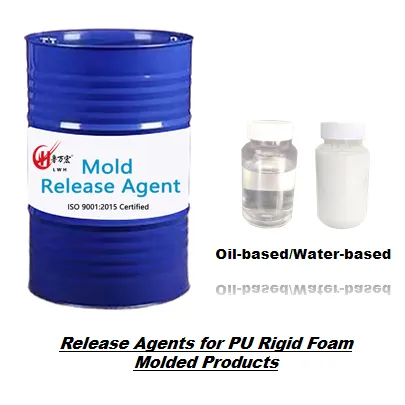
Premium Form Release Agent Solutions - Superior Mold Release Performance & Protection

All Categories

form release agent

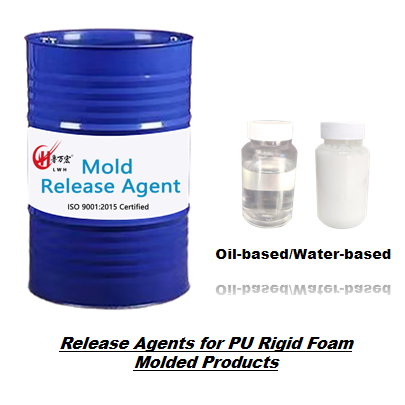
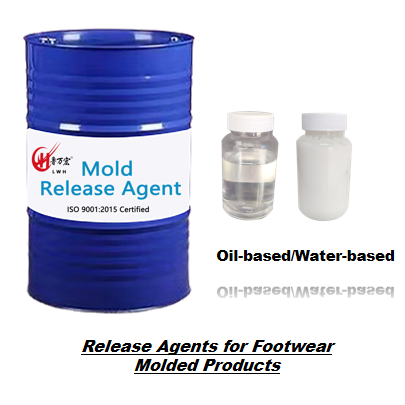
Form release agent represents a specialized chemical formulation designed to prevent concrete, resin, or other materials from adhering to molds, forms, and casting surfaces during manufacturing processes. This essential product serves as a barrier layer between the casting material and the mold surface, ensuring clean separation once the curing process completes. The form release agent works by creating a thin, uniform film that reduces surface tension and prevents molecular bonding between different materials. Modern form release agents utilize advanced polymer chemistry and surfactant technology to deliver consistent performance across various applications. These products come in multiple formulations including water-based, solvent-based, and reactive chemistries, each tailored to specific manufacturing requirements. The technological features of form release agents include excellent spreading properties, thermal stability, and chemical resistance to withstand demanding production environments. Advanced formulations incorporate anti-foaming agents, corrosion inhibitors, and UV stabilizers to enhance overall performance and extend service life. The application methods vary from spray application to brush-on techniques, allowing manufacturers to select the most suitable approach for their specific production needs. Form release agents find extensive use in concrete precast operations, composite manufacturing, rubber molding, and plastic injection processes. The construction industry relies heavily on these products for architectural concrete elements, bridge components, and decorative panels. In aerospace and automotive sectors, form release agents enable the production of lightweight composite parts with complex geometries and superior surface finishes. The effectiveness of a form release agent depends on proper surface preparation, correct application thickness, and compatibility with the casting material. Quality form release agents must maintain their properties under varying temperature conditions while providing multiple release cycles from a single application.

New Product Releases

Form release agents deliver substantial cost savings by eliminating expensive mold replacement and reducing labor-intensive cleaning procedures between production cycles. These products significantly extend mold life by preventing material buildup and surface damage that typically occurs when casting materials bond directly to mold surfaces. The economic benefits become apparent through increased production efficiency, as operators can achieve faster cycle times without lengthy demolding procedures. Form release agents reduce material waste by ensuring complete and clean part removal, eliminating the need to discard damaged components or remake defective parts. The improved surface quality achieved with proper form release agent application reduces post-production finishing requirements, saving both time and material costs. Production consistency improves dramatically when using quality form release agents, as each molded part maintains uniform surface characteristics and dimensional accuracy. Workers benefit from safer operating conditions since form release agents eliminate the need for aggressive mechanical separation techniques that can cause injury or equipment damage. Environmental advantages include reduced solvent emissions and decreased waste generation compared to alternative separation methods. Modern form release agents offer extended working time and multiple release cycles from single applications, maximizing productivity while minimizing material consumption. The versatility of these products allows manufacturers to handle diverse casting materials and complex mold geometries with confidence. Quality control becomes more predictable when form release agents are properly implemented, as the consistent barrier layer eliminates variables that can affect part quality. Maintenance costs decrease substantially when molds are protected by effective release agents, as cleaning requirements are minimized and mold surfaces remain in better condition over extended periods. The operational flexibility provided by form release agents enables manufacturers to switch between different casting materials without extensive mold preparation or modification. Training requirements are minimal since most form release agents feature straightforward application procedures that workers can master quickly, reducing implementation costs and improving adoption rates across production teams.

Tips And Tricks

Top Benefits of Using Chinese Polyurethane Release Agent in Manufacturing

23

Jul

Top Benefits of Using Chinese Polyurethane Release Agent in Manufacturing

Enhancing Productivity with Advanced Release Solutions In modern industrial manufacturing, efficiency and material performance are fundamental to remaining competitive. One of the essential tools contributing to production efficiency is the use of re...
View More
What Makes an FRP Release Agent Ideal for Composite Molding?

27

Aug

What Makes an FRP Release Agent Ideal for Composite Molding?

Understanding the Critical Role of Release Agents in FRP Manufacturing In the world of composite manufacturing, FRP release agents play an indispensable role in ensuring successful molding operations. These specialized chemical formulations create a ...
View More
Can Luwanhong Release Agent Ensure Better Surface Quality?

22

Sep

Can Luwanhong Release Agent Ensure Better Surface Quality?

Advanced Surface Quality Enhancement Through Industrial Release Agents The pursuit of perfect surface quality in manufacturing has long been a critical challenge across industries. Release agents play a fundamental role in achieving smooth, defect-fr...
View More
Top Advantages of Using Luwanhong Release Agent in Factories

22

Sep

Top Advantages of Using Luwanhong Release Agent in Factories

Transforming Industrial Production with Advanced Release Agents The manufacturing industry constantly seeks innovative solutions to enhance production efficiency and product quality. Among these solutions, Luwanhong release agent has emerged as a gam...
View More

Get a Free Quote

Our representative will contact you soon.
Email
Name
Company Name
Message
0/1000

form release agent

Superior Release Performance and Multi-Cycle Efficiency

Superior Release Performance and Multi-Cycle Efficiency

The exceptional release performance of modern form release agents stems from advanced molecular engineering that creates an ultra-thin barrier layer between casting materials and mold surfaces. This sophisticated chemistry ensures reliable separation across multiple production cycles without compromising part quality or surface finish. The multi-cycle efficiency represents a significant advancement over traditional release methods, as a single application can facilitate numerous demolding operations before reapplication becomes necessary. This extended performance capability translates directly into reduced material costs and increased production throughput. The release agent molecules orient themselves to create a uniform barrier that maintains its integrity under the mechanical stresses of demolding operations. Temperature variations during curing processes do not compromise the release properties, ensuring consistent performance in demanding manufacturing environments. The superior release characteristics prevent micro-adhesion that can gradually degrade mold surfaces over time, preserving the investment in precision tooling. Advanced form release agents incorporate specialized additives that enhance the release mechanism while providing additional benefits such as improved surface lubricity and reduced friction during part removal. The efficiency gains from multi-cycle performance extend beyond material savings to include reduced application time, decreased environmental impact from lower product consumption, and improved workflow continuity. Manufacturers report significant improvements in production scheduling reliability when using high-performance form release agents, as unexpected adhesion issues become virtually eliminated. The molecular stability of quality release agents ensures that the barrier properties remain effective throughout extended production runs, even under challenging conditions involving aggressive casting materials or complex mold geometries. This reliability allows production managers to plan operations with confidence, knowing that part release will proceed smoothly without interruption. The economic impact of superior release performance compounds over time, as the cumulative savings from reduced material usage, extended mold life, and improved efficiency create substantial competitive advantages for manufacturers who select premium form release agents.
Enhanced Surface Quality and Finish Protection

Enhanced Surface Quality and Finish Protection

Form release agents play a crucial role in preserving and enhancing the surface quality of molded components while simultaneously protecting expensive mold surfaces from damage and contamination. The protective barrier created by quality release agents prevents casting materials from penetrating microscopic surface irregularities in molds, which would otherwise lead to surface defects and require costly refinishing operations. Advanced formulations incorporate surface-active compounds that promote excellent spreading characteristics, ensuring uniform coverage across complex mold geometries including deep cavities, sharp corners, and intricate details. The resulting surface protection eliminates the transfer of mold imperfections to finished parts while maintaining the precise surface texture intended by the mold design. This dual protection benefit extends to both the casting material and the mold itself, creating value for manufacturers through improved part quality and extended tooling life. The enhanced surface finish achieved with proper form release agent application often eliminates secondary finishing operations such as sanding, polishing, or coating application, reducing production costs and cycle times. Modern release agents are formulated to be compatible with various surface treatments and coatings that may be applied to finished parts, ensuring that downstream processing requirements are not compromised. The chemical composition of advanced form release agents includes anti-static properties that prevent dust and debris accumulation on mold surfaces, maintaining cleaner production environments and reducing contamination risks. Surface quality improvements extend to dimensional accuracy, as the consistent barrier layer prevents variations in part thickness that can occur when casting materials interact differently with various areas of untreated mold surfaces. The protection offered by form release agents becomes particularly valuable when working with abrasive or chemically aggressive casting materials that would otherwise cause premature mold wear or surface deterioration. Quality control benefits include more predictable surface characteristics across production runs, enabling manufacturers to maintain tighter tolerances and higher quality standards. The surface enhancement properties of modern form release agents contribute to improved aesthetics in finished products, particularly important for architectural concrete elements, decorative components, and visible automotive parts where surface appearance directly affects customer satisfaction and product value.
Versatile Application Methods and Environmental Compatibility

Versatile Application Methods and Environmental Compatibility

The versatility of modern form release agents encompasses multiple application methods and formulation options that accommodate diverse manufacturing requirements while maintaining environmental responsibility and worker safety. Contemporary release agent technology offers water-based, solvent-based, and reactive formulations, each designed for specific applications and environmental considerations. Water-based form release agents provide excellent environmental compatibility with minimal volatile organic compound emissions, making them ideal for indoor manufacturing facilities and environmentally sensitive locations. These formulations maintain effective release properties while reducing health and safety concerns for workers, eliminating the need for extensive ventilation systems or specialized personal protective equipment. The application versatility extends to various delivery methods including spray application, brush-on techniques, and specialized coating systems that can be integrated into automated production lines. Spray application provides rapid coverage of large mold surfaces with uniform thickness control, while brush application offers precision for detailed areas and small-scale operations. Advanced form release agents are compatible with automated application systems that can be programmed to deliver consistent coverage patterns, reducing labor requirements and improving application uniformity. The environmental compatibility of modern formulations addresses growing regulatory requirements and corporate sustainability initiatives without compromising performance standards. Biodegradable options are available for applications where environmental impact must be minimized, providing effective release properties while meeting strict ecological requirements. The versatility in application timing allows form release agents to be applied to various mold conditions, whether at room temperature or elevated temperatures, expanding their utility across different manufacturing processes. Storage and handling requirements have been optimized in modern formulations to reduce special storage needs and extend shelf life, improving inventory management and reducing waste from expired materials. The compatibility with various casting materials including concrete, polyurethane, epoxy resins, and thermoplastics makes form release agents valuable across multiple industries and applications. Temperature stability ensures effective performance across seasonal variations and different climate conditions, maintaining consistent release properties regardless of environmental factors. The versatility extends to cleanup procedures, as many modern form release agents can be removed with standard cleaning methods when mold maintenance is required, simplifying maintenance schedules and reducing downtime for mold refurbishment operations.

Get a Free Quote

Our representative will contact you soon.
Email
Name
Company Name
Message
0/1000