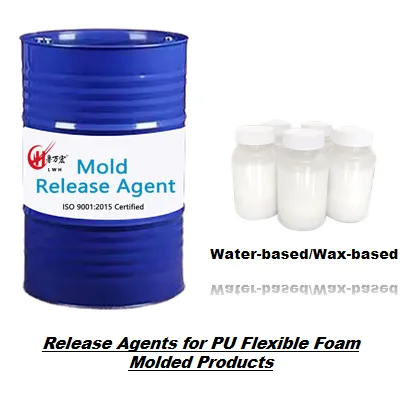
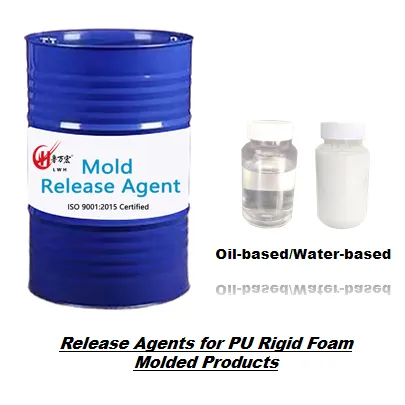
Professional Release Agent Solutions - Enhanced Manufacturing Efficiency & Superior Mold Release Performance

All Categories

release agent

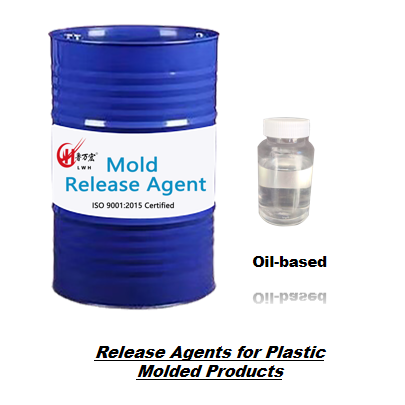
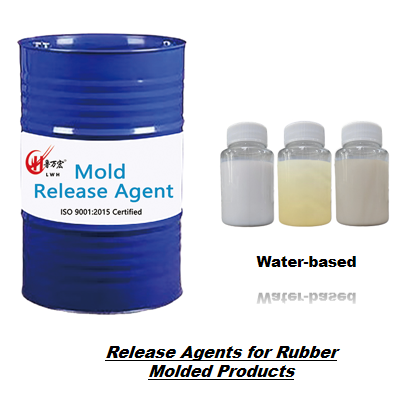
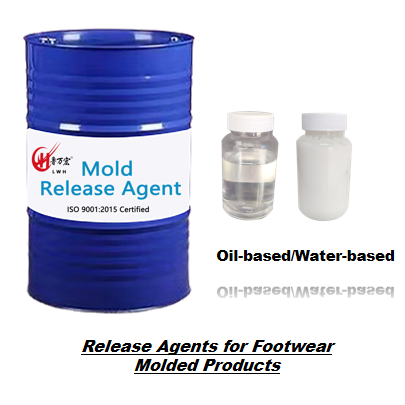
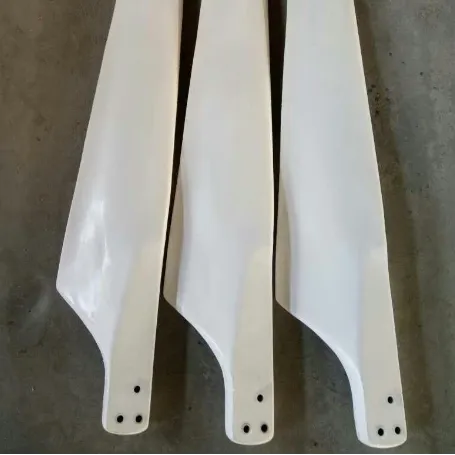
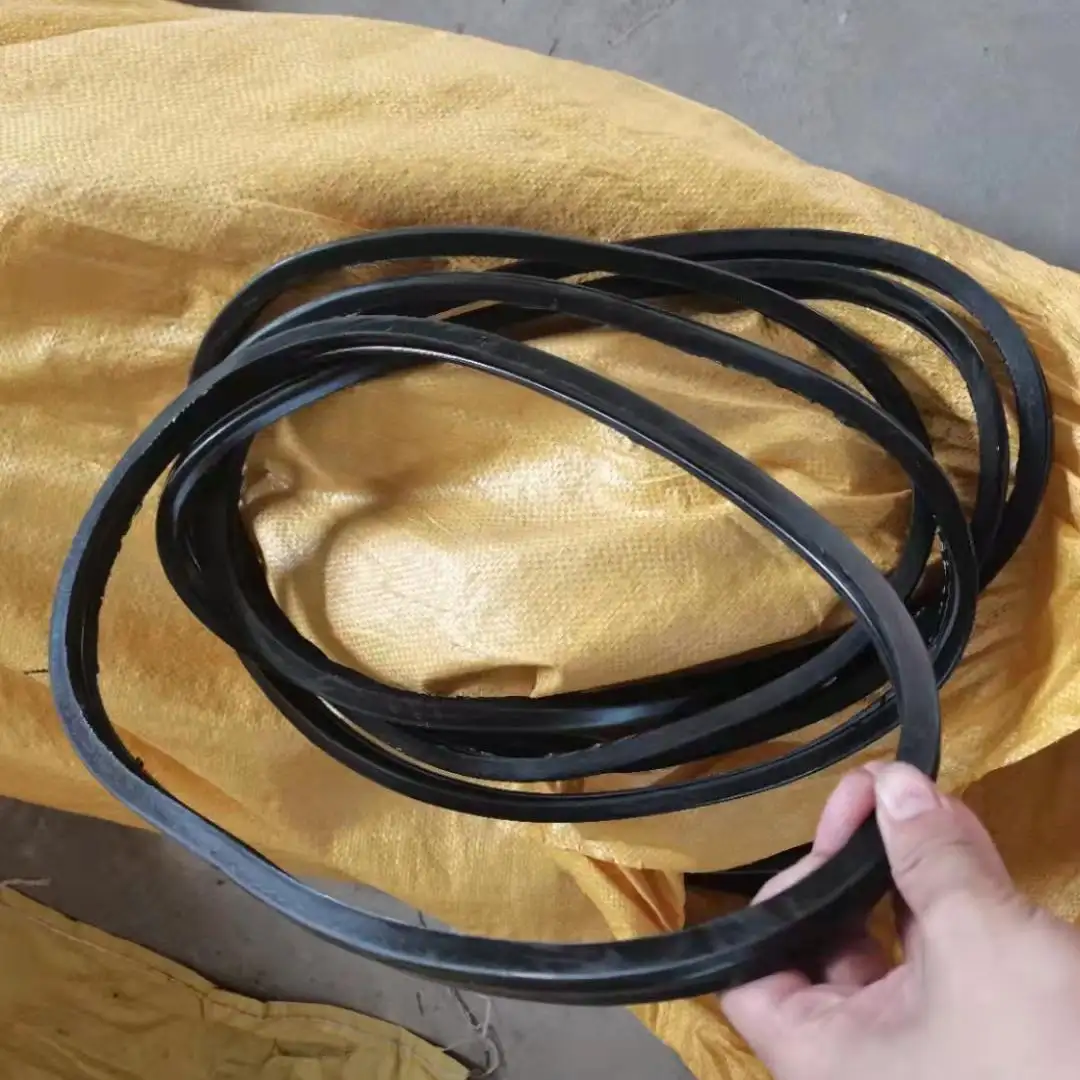
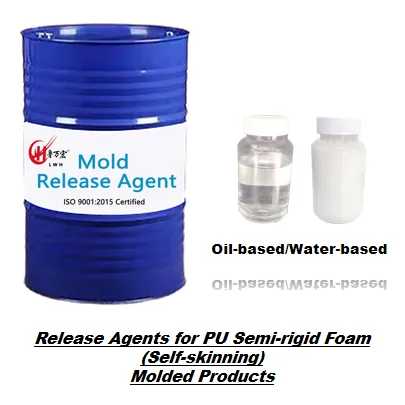
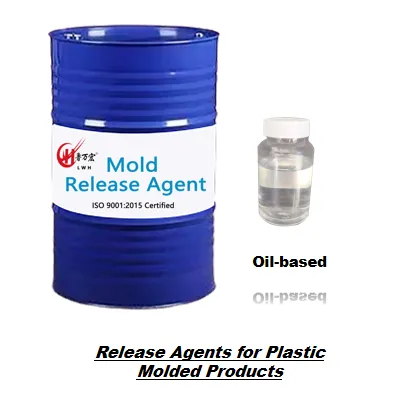
A release agent is a specialized chemical compound designed to prevent adhesion between surfaces during manufacturing processes, particularly in molding, casting, and forming operations. These essential industrial solutions create a thin barrier layer that enables easy separation of finished products from molds, dies, or tooling equipment without causing damage to either surface. Release agents function through various mechanisms including physical separation, chemical interference, or thermal barriers that interrupt the bonding process between materials. The primary function of release agents involves facilitating smooth product removal while maintaining surface quality and dimensional accuracy. Modern release agents incorporate advanced formulations that provide consistent performance across multiple production cycles, reducing downtime and increasing operational efficiency. These products are engineered to withstand extreme temperatures, pressures, and chemical environments commonly encountered in industrial manufacturing. The technological features of contemporary release agents include enhanced heat stability, superior spreading characteristics, and optimized viscosity profiles that ensure uniform coverage across complex surface geometries. Many formulations offer multi-functional properties such as anti-stick performance, corrosion protection, and surface conditioning benefits. Release agents are available in various forms including liquid concentrates, aerosol sprays, paste applications, and dry powder formats to accommodate different application methods and production requirements. Applications span numerous industries including automotive manufacturing, aerospace components, construction materials, food processing equipment, and plastic molding operations. In rubber and tire manufacturing, release agents prevent vulcanized compounds from adhering to molds during curing processes. The concrete industry relies on these products to ensure clean separation of precast elements from forms while maintaining surface finish quality. Composite manufacturing utilizes specialized release agents to facilitate demolding of complex fiber-reinforced parts without compromising structural integrity or surface aesthetics.

New Product Releases

Release agents deliver substantial cost savings by eliminating the need for mechanical separation methods that often damage expensive tooling and finished products. These solutions reduce production waste significantly since parts separate cleanly without surface defects or dimensional distortions that would require rework or disposal. Manufacturing facilities experience improved productivity through faster cycle times as operators spend less time on demolding procedures and cleaning operations. The consistent performance of quality release agents ensures predictable production schedules without unexpected delays caused by stuck parts or damaged molds. These products extend tooling life substantially by preventing metal-to-metal contact and reducing wear patterns that typically result from forced separation techniques. Quality release agents maintain their effectiveness across hundreds or thousands of production cycles, providing excellent value through reduced per-unit application costs. Environmental benefits include reduced solvent emissions and waste generation compared to alternative separation methods or frequent mold replacement. Many modern formulations comply with environmental regulations while delivering superior performance characteristics. Worker safety improves significantly since release agents eliminate the need for aggressive mechanical removal techniques that pose injury risks. These products create safer working conditions by reducing exposure to metal particles and debris generated during forced separation procedures. Temperature resistance capabilities allow release agents to function effectively in high-heat applications without degrading or losing effectiveness, maintaining consistent performance across varying operational conditions. The versatility of release agents enables manufacturers to standardize separation processes across different product lines and materials, simplifying inventory management and training requirements. Advanced formulations provide additional benefits such as anti-corrosion properties that protect expensive tooling from oxidation and chemical attack during storage periods. Surface conditioning effects improve the quality of finished products by reducing surface irregularities and enhancing aesthetic appeal. Release agents contribute to lean manufacturing initiatives by minimizing non-value-added activities and reducing overall production complexity. Quality control becomes more predictable since release agents eliminate variables associated with inconsistent separation techniques, leading to improved product uniformity and reduced inspection requirements.

Tips And Tricks

Top Benefits of Using Chinese Polyurethane Release Agent in Manufacturing

23

Jul

Top Benefits of Using Chinese Polyurethane Release Agent in Manufacturing

Enhancing Productivity with Advanced Release Solutions In modern industrial manufacturing, efficiency and material performance are fundamental to remaining competitive. One of the essential tools contributing to production efficiency is the use of re...
View More
How to Improve Mold Efficiency with Chinese Polyurethane Release Agent?

23

Jul

How to Improve Mold Efficiency with Chinese Polyurethane Release Agent?

Enhancing Mold Production Through Smart Chemical Choices In the competitive landscape of manufacturing, mold efficiency is not just a technical priority but a financial necessity. Optimizing how molds perform can drastically reduce cycle times, minim...
View More
Why Manufacturers Prefer Chinese Polyurethane Release Agent Today?

23

Jul

Why Manufacturers Prefer Chinese Polyurethane Release Agent Today?

Understanding the Rising Popularity of Chinese Polyurethane Release Agent Chinese polyurethane release agent has become increasingly favored by manufacturers worldwide due to its unique combination of high performance and cost-effectiveness. As indus...
View More
Top Advantages of Using Luwanhong Release Agent in Factories

22

Sep

Top Advantages of Using Luwanhong Release Agent in Factories

Transforming Industrial Production with Advanced Release Agents The manufacturing industry constantly seeks innovative solutions to enhance production efficiency and product quality. Among these solutions, Luwanhong release agent has emerged as a gam...
View More

Get a Free Quote

Our representative will contact you soon.
Email
Name
Company Name
Message
0/1000

release agent

Superior Temperature Performance and Thermal Stability

Superior Temperature Performance and Thermal Stability

The exceptional temperature performance of modern release agents represents a critical advancement in manufacturing technology, enabling consistent operation across extreme thermal conditions that would compromise inferior products. These formulations maintain their release properties and chemical integrity at temperatures ranging from sub-zero conditions to over 500 degrees Fahrenheit, making them indispensable for high-temperature molding processes such as die-casting, thermoforming, and composite curing operations. The thermal stability characteristics prevent thermal degradation that could result in carbon buildup, surface contamination, or loss of release effectiveness during extended production runs. This temperature resistance translates directly into reduced production interruptions and maintenance requirements since operators do not need to halt operations for cleaning or reapplication procedures. Advanced release agents achieve this performance through carefully engineered molecular structures that resist thermal breakdown while maintaining optimal viscosity and spreading characteristics across temperature variations. The consistent performance at elevated temperatures eliminates concerns about product failure during critical production phases, providing manufacturers with confidence in their process reliability. This thermal stability also enables the use of higher processing temperatures when needed for improved product quality or faster cycle times, expanding manufacturing flexibility without compromising release performance. The ability to withstand thermal cycling without degradation means that release agents continue functioning effectively even when production equipment experiences repeated heating and cooling cycles throughout shift changes or maintenance periods. For manufacturers processing heat-sensitive materials, the thermal barrier properties of quality release agents help protect finished products from excessive heat transfer while ensuring clean separation. This temperature performance advantage becomes particularly valuable in industries such as aerospace and automotive where precision tolerances and surface quality requirements demand consistent processing conditions without compromise.
Enhanced Productivity Through Multi-Cycle Durability

Enhanced Productivity Through Multi-Cycle Durability

Multi-cycle durability represents one of the most significant economic advantages of professional-grade release agents, delivering sustained performance across hundreds or thousands of production cycles without requiring reapplication or maintenance interventions. This extended effectiveness stems from advanced chemical formulations that form durable barrier films capable of withstanding repeated mechanical stress, thermal cycling, and chemical exposure while maintaining their release properties throughout extended production runs. The durability advantage translates into substantial productivity gains since operators can focus on core production activities rather than constant reapplication procedures that interrupt manufacturing flow and reduce overall equipment effectiveness. Quality release agents maintain consistent film thickness and coverage density across multiple cycles, ensuring uniform separation performance that eliminates variables in production quality and timing. This reliability enables manufacturers to implement lean production principles more effectively by reducing non-value-added activities and minimizing process variability that could impact product quality or delivery schedules. The multi-cycle performance also contributes to improved workplace safety since workers face reduced exposure to chemical application procedures and spend less time in proximity to moving machinery during reapplication activities. Cost benefits accumulate significantly over time as the reduced frequency of application translates into lower material consumption, decreased labor costs, and reduced production downtime associated with maintenance procedures. Environmental advantages include reduced waste generation and lower overall chemical usage per manufactured unit, supporting sustainability initiatives while maintaining operational efficiency. The predictable nature of multi-cycle performance enables better production planning and scheduling since managers can accurately forecast when release agent maintenance will be required without unexpected production interruptions. For high-volume manufacturing operations, this durability advantage becomes particularly valuable as even small improvements in cycle efficiency compound into substantial productivity and profitability gains over time.
Versatile Application Methods and Surface Compatibility

Versatile Application Methods and Surface Compatibility

The versatile application capabilities of modern release agents accommodate diverse manufacturing environments and surface types, providing manufacturers with flexible solutions that adapt to varying production requirements and equipment configurations. These products are formulated to work effectively on multiple substrate materials including steel, aluminum, composite tooling, and specialized alloys commonly used in precision manufacturing applications. The compatibility extends to various surface finishes ranging from highly polished tool steel to textured mold surfaces, ensuring consistent release performance regardless of tooling characteristics or surface preparation methods. Application versatility includes multiple delivery methods such as brush application for detailed work, spray systems for large surface coverage, and automated dispensing equipment for high-volume production environments. This flexibility enables manufacturers to optimize their application processes based on specific production requirements, part geometries, and existing equipment capabilities without requiring substantial capital investments in new application hardware. The surface compatibility characteristics prevent adverse reactions with tooling materials that could cause corrosion, staining, or surface degradation over time, protecting valuable manufacturing assets while delivering reliable release performance. Advanced formulations work effectively with both water-based and solvent-based systems, allowing manufacturers to select products that align with their environmental compliance requirements and workplace safety standards. The versatility extends to part removal techniques, as quality release agents facilitate separation through various methods including mechanical ejection, air pressure systems, or manual removal procedures without compromising effectiveness. Temperature application ranges accommodate both ambient and preheated surface conditions, enabling use in diverse manufacturing environments without special conditioning requirements. This adaptability becomes particularly valuable for manufacturers producing multiple product lines or operating flexible manufacturing systems where tooling and processes change frequently. The broad compatibility with cleaning systems and mold maintenance procedures ensures that release agents integrate seamlessly into existing production workflows without requiring modifications to established quality control or maintenance protocols.

Get a Free Quote

Our representative will contact you soon.
Email
Name
Company Name
Message
0/1000