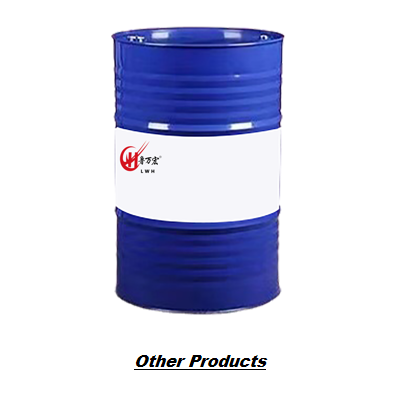
மேம்பட்ட உற்பத்தி திறன் மற்றும் செலவு-பயனுள்ள இயக்கம்
தானியங்கு வாகனத் தொழிலுக்கான பாலியுரேதேன் ரிலீஸ் முகவரின் செயல்படுத்தல், நேரடியாக அளவிடக்கூடிய செலவுக் குறைப்புகளையும், தானியங்கு வாகன உற்பத்தி நிறுவனங்களில் மேம்பட்ட செயல்திறனையும் ஏற்படுத்தும் உற்பத்தி திறமையில் புரட்சிகர முன்னேற்றங்களை வழங்குகிறது. இந்த மேம்பட்ட கலவைகள் சுழற்சி நேரத்தை மிகவும் குறைப்பதன் மூலம் உற்பத்தி பாதைகளை உகந்த நிலைக்கு மாற்றுகின்றன, இதனால் தானியங்கு பயன்பாடுகளுக்கு தேவையான தரநிலைகளை பராமரிக்கும் போது உற்பத்தியாளர்கள் அதிக உற்பத்தி வீதத்தை அடைய முடிகிறது. தானியங்கு தொழிலுக்கான பாலியுரேதேன் ரிலீஸ் முகவரின் சிறந்த ரிலீஸ் பண்புகள், பாகங்களை அகற்றும் போது அதிகப்படியான இயந்திர விசையின் தேவையை நீக்குகிறது, மதிப்புமிக்க கருவிகளில் ஏற்படக்கூடிய சேதத்திலிருந்து பாதுகாக்கிறது, மேலும் விலையுயர்ந்த மீண்டும் செய்யும் தேவை அல்லது தவறான பொருட்களை உருவாக்கும் அபாயத்தை குறைக்கிறது. இந்த மென்மையான ரிலீஸ் இயந்திரம் கட்டுமானத்தின் ஆயுளை மிகவும் நீட்டிக்கிறது, கருவிகளை மாற்றுவதற்கான மூலதன செலவுகளைக் குறைக்கிறது, மேலும் கட்டுமான பராமரிப்புடன் தொடர்புடைய உற்பத்தி தடைகளை குறைக்கிறது. தானியங்கு தொழிலுக்கான பாலியுரேதேன் ரிலீஸ் முகவரின் அசாதாரண உறுதித்தன்மை, பல உற்பத்தி சுழற்சிகளில் நீடித்த திறமையை உறுதி செய்கிறது, மீண்டும் பூசுவதற்கான அடிக்கடி தேவையையும், அதனுடன் தொடர்புடைய உழைப்புச் செலவுகளையும் குறைக்கிறது, நீண்ட உற்பத்தி ஓட்டங்களில் முழுவதும் தொடர்ந்து செயல்திறனை பராமரிக்கிறது. நம்பகமான செயல்திறன் பண்புகள் உற்பத்தி மாறுபாடுகளை நீக்குவதால், சுழற்சிகளுக்கிடையே செயல்முறை சரிசெய்தல்களின் தேவையைக் குறைப்பதால், உற்பத்தி நிறுவனங்கள் எளிதாக்கப்பட்ட செயல்பாடுகளில் பயனடைகின்றன. அதிக அளவு தானியங்கு உற்பத்தியில் பொதுவாக பயன்படுத்தப்படும் தானியங்கு பூச்சு அமைப்புகளை இந்த முகவர்கள் ஆதரிக்கின்றன, இதனால் துல்லியமான பூச்சு கட்டுப்பாடு, தொடர்ந்த மூடுதல் ஆகியவை சாத்தியமாகின்றன, மேலும் உழைப்பு தேவைகள் மற்றும் மனித பிழை அபாயத்தை குறைக்கின்றன. தொடர்ச்சியான உற்பத்தி சூழல்களில், உற்பத்தி அட்டவணைகளை பராமரிக்க பூச்சு நேரம் மற்றும் மூடுதல் தொடர்பான ஒரு முக்கிய காரணியாக இருப்பதால், இந்த தானியங்கு பொருத்தம் குறிப்பிடத்தக்க மதிப்பை வழங்குகிறது. பாரம்பரிய மாற்றுகளை விட குறைந்த பொருள் நுகர்வை வழங்குவதன் மூலம், தானியங்கு தொழிலுக்கான பாலியுரேதேன் ரிலீஸ் முகவர் சிறந்த பொருளாதாரத்தை காட்டுகிறது, அதிக அளவு உற்பத்தி ஓட்டங்களில் ஒரு பாகத்திற்கான குறைந்த செலவுகளை உருவாக்கும் சிறந்த மூடுதல் மற்றும் நீடித்த தன்மையை வழங்குகிறது. ரிலீஸ்-தொடர்பான உற்பத்தி சிக்கல்களுடன் தொடர்புடைய திடீர் நிறுத்தங்களைக் குறைப்பதன் மூலம் இந்த கலவைகள் மொத்த உபகரணங்களின் செயல்திறனை மேம்படுத்துகின்றன, போட்டிக்குரிய தானியங்கு சந்தைகளில் மிகவும் முக்கியமானதாக மாறிவரும் லீன் உற்பத்தி கொள்கைகளை ஆதரிக்கின்றன. தொடர்ந்த ரிலீஸ் செயல்திறனால் ஏற்படும் தரம் முன்னேற்றங்கள், பாகங்களின் தரத்தில் மேம்பட்ட வாடிக்கையாளர் திருப்தியை வழங்குவதோடு, ஆய்வு தேவைகளையும், தரக் கட்டுப்பாட்டு கூடுதல் செலவுகளையும் குறைக்கின்றன. பாலியுரேதேன் ரிலீஸ் முகவரின் செயல்படுத்தலால் ஏற்படும் செயல்திறன் ஆதாயங்கள் பல உற்பத்தி வரிசைகளில் கூடுகின்றன, சிறிய திறமை முன்னேற்றங்கள் செலவு-உணர்திறன் கொண்ட சந்தைகளில் குறிப்பிடத்தக்க போட்டித் திறனை உருவாக்கும் பெரிய அளவிலான தானியங்கு உற்பத்தி செயல்பாடுகளுக்கு குறிப்பிடத்தக்க கூட்டுப் பயன்களை உருவாக்குகின்றன.

 EN
EN