ตัวช่วยหลุดพิมพ์แม่พิมพ์ FRP
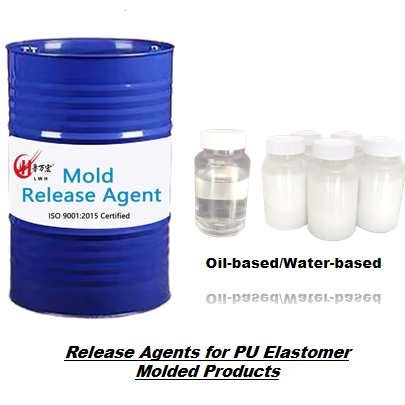
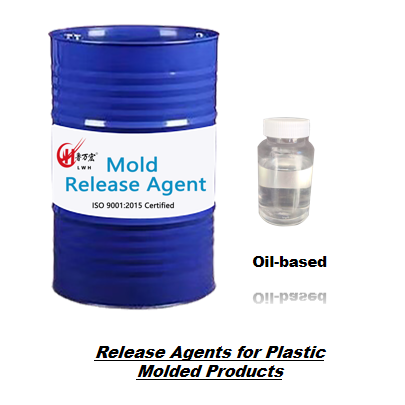
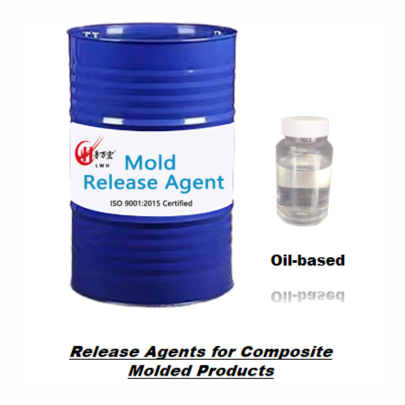
ตัวช่วยปล่อยแม่พิมพ์ FRP เป็นส่วนประกอบที่สำคัญอย่างยิ่งในกระบวนการผลิตพลาสติกเสริมใยแก้ว โดยทำหน้าที่เป็นชั้นกันระหว่างผลิตภัณฑ์ที่ขึ้นรูปและผิวแม่พิมพ์ สารเคมีสูตรพิเศษนี้ช่วยป้องกันไม่ให้วัสดุคอมโพสิตจับติดกับแม่พิมพ์ ทำให้สามารถดึงผลิตภัณฑ์ออกได้อย่างเรียบลื่น ขณะเดียวกันก็รักษาความสมบูรณ์ของแม่พิมพ์ไว้ตลอดรอบการผลิต ตัวช่วยปล่อยแม่พิมพ์ FRP ทำงานตามหลักการทางเคมีผิวขั้นสูง โดยสร้างชั้นป้องกันที่บางมาก ซึ่งช่วยให้การแยกชิ้นงานทำได้อย่างสม่ำเสมอ สูตรที่ทันสมัยใช้เทคโนโลยีโพลิเมอร์ขั้นสูงที่ให้คุณสมบัติการปล่อยชิ้นงานได้ดีเยี่ยม พร้อมทั้งเข้ากันได้ดีกับระบบเรซินต่างๆ เช่น เรซินโพลีเอสเตอร์ เรซินไวนิลเอสเทอร์ และเรซินอีพอกซี่ สารเหล่านี้แสดงถึงความคงทนต่อความร้อนได้อย่างยอดเยี่ยม ยังคงประสิทธิภาพได้ดีในช่วงอุณหภูมิกว้างที่พบโดยทั่วไปในการผลิตวัสดุคอมโพสิต ตัวช่วยปล่อยแม่พิมพ์ FRP มีความทนทานสูง สามารถใช้ปล่อยชิ้นงานได้หลายครั้งจากแต่ละครั้งที่ทา จึงช่วยลดเวลาหยุดเครื่องและการดำเนินงานที่เกิดต้นทุน เพิ่มขึ้น โรงงานผลิตขั้นสูงต่างพึ่งพาอาศัยระบบช่วยปล่อยแบบพิเศษเหล่านี้อย่างมาก เพื่อรักษามาตรฐานคุณภาพของผลิตภัณฑ์และความแม่นยำด้านมิติอย่างต่อเนื่อง องค์ประกอบทางเคมีโดยทั่วไปมักประกอบด้วยสารประกอบซิลิโคน ฟลูออรีนโพลิเมอร์ หรือสูตรที่ใช้ขี้ผึ้ง ซึ่งถูกออกแบบมาโดยเฉพาะเพื่อตอบสนองความต้องการในการใช้งานและวัสดุแม่พิมพ์ที่แตกต่างกัน ประเด็นด้านสิ่งแวดล้อมได้ผลักดันให้มีการพัฒนาสารช่วยปล่อยแม่พิมพ์ FRP ที่ใช้น้ำเป็นตัวทำละลายหรือไม่มีตัวทำละลาย เพื่อรองรับความปลอดภัยในสถานที่ทำงานและข้อกำหนดด้านการปล่อยมลพิษ โดยยังคงรักษามาตรฐานประสิทธิภาพที่เหนือกว่าไว้ มาตรการควบคุมคุณภาพจะรับประกันความหนืด คุณสมบัติการเคลือบ และประสิทธิภาพการปล่อยชิ้นงานที่สม่ำเสมอในทุกล็อตการผลิต เทคโนโลยีตัวช่วยปล่อยแม่พิมพ์ FRP ยังคงพัฒนาอย่างต่อเนื่อง โดยมีการนำนาโนเทคโนโลยีและส่วนประกอบที่มาจากธรรมชาติมาใช้ เพื่อตอบสนองข้อกำหนดด้านประสิทธิภาพที่เข้มงวดมากขึ้น และความต้องการด้านความสอดคล้องตามกฎหมายสิ่งแวดล้อมในกระบวนการผลิตวัสดุคอมโพสิตยุคใหม่

 EN
EN