Professional Polyurethane Semi Rigid Self Skinning Foam Release Agent - Advanced Multi-Cycle Performance Solutions

All Categories

polyurethane semi rigid self skinning foam release agent

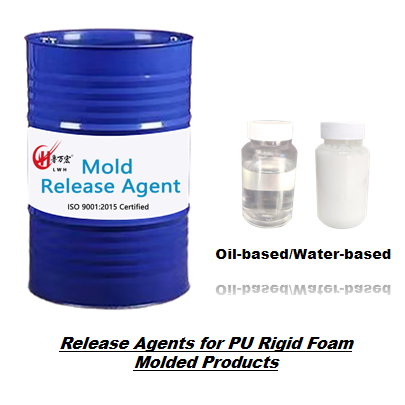
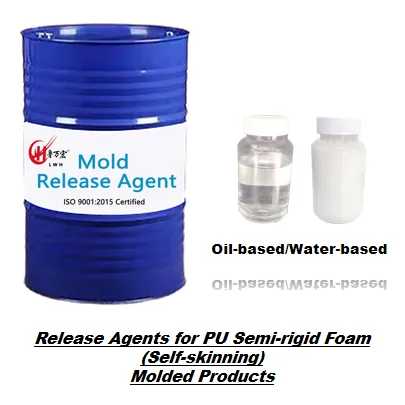
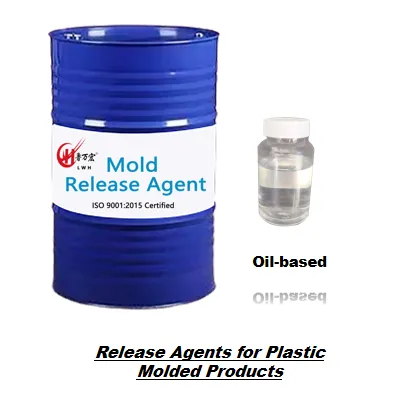
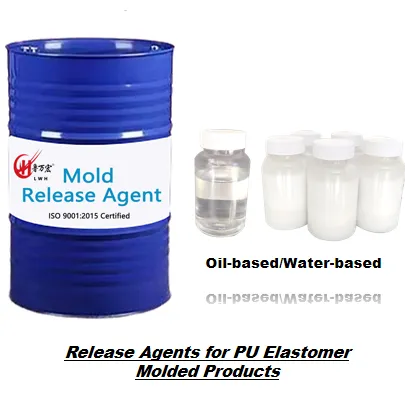
Polyurethane semi rigid self skinning foam release agent represents a specialized chemical formulation designed to facilitate the smooth removal of molded polyurethane foam components from manufacturing molds and tooling surfaces. This advanced release agent operates as a barrier coating that prevents the adhesion of polyurethane semi rigid self skinning foam to mold surfaces during the curing process, ensuring clean part extraction without surface damage or contamination. The technology behind this release agent involves sophisticated chemical compounds that maintain stability under elevated temperatures and pressures typically encountered in polyurethane foam production processes. The release agent creates a thin, uniform film on mold surfaces that exhibits excellent thermal resistance and chemical compatibility with polyurethane formulations. Its semi-permanent characteristics allow for multiple part cycles before reapplication becomes necessary, significantly reducing production downtime and material consumption costs. The self-skinning properties of the target foam require specialized release chemistry that accommodates the unique surface formation characteristics inherent in this foam type. This polyurethane semi rigid self skinning foam release agent demonstrates superior performance in automotive applications, furniture manufacturing, packaging solutions, and construction industry components where dimensional accuracy and surface quality remain critical factors. The formulation provides consistent release properties across varying mold geometries and complexity levels, from simple flat surfaces to intricate three-dimensional contours with deep draws and undercuts. Temperature stability ensures reliable performance throughout extended production runs, while low volatility characteristics minimize environmental impact and workplace exposure concerns. The release agent maintains compatibility with both open and closed mold processing techniques, offering flexibility in manufacturing approaches and equipment configurations.

Popular Products

The implementation of polyurethane semi rigid self skinning foam release agent delivers substantial operational benefits that directly impact manufacturing efficiency and product quality outcomes. This specialized release system eliminates the costly problem of foam adhesion to mold surfaces, preventing expensive mold damage and reducing the need for aggressive mechanical removal techniques that can compromise both tooling longevity and part surface integrity. Manufacturing teams experience significantly reduced cycle times as parts release effortlessly from molds without requiring manual intervention or additional processing steps. The consistent release performance translates into predictable production schedules and improved capacity utilization across manufacturing facilities. Cost savings accumulate through reduced material waste, as failed parts due to sticking or surface defects become virtually eliminated when proper release agent application protocols are followed. Labor productivity increases substantially as operators spend less time on part removal and mold cleaning activities, allowing focus on value-added production tasks. The polyurethane semi rigid self skinning foam release agent extends mold service life by preventing surface damage caused by stuck parts and harsh removal methods, protecting significant capital investments in tooling and equipment. Quality improvements manifest through enhanced surface finish consistency, dimensional accuracy maintenance, and elimination of surface contamination that can occur during difficult part removal processes. Environmental benefits emerge from reduced solvent usage for mold cleaning and decreased waste generation from damaged parts requiring rework or disposal. The release agent's multi-cycle capability reduces application frequency requirements, minimizing production interruptions and material consumption while maintaining consistent performance standards. Safety improvements result from eliminating hazardous manual removal techniques and reducing operator exposure to cleaning solvents and mechanical risks associated with stuck part extraction. Processing flexibility increases as manufacturers can confidently tackle complex geometries and challenging mold designs knowing reliable release performance will be maintained. Temperature tolerance characteristics ensure stable performance across varying production conditions, providing operational reliability regardless of seasonal variations or facility-specific environmental factors. The economic impact extends beyond direct cost savings to include improved customer satisfaction through consistent product quality, reduced delivery delays, and enhanced manufacturing reputation in competitive markets.

Tips And Tricks

What Makes Chinese Polyurethane Release Agent a Global Industry Choice?

23

Jul

What Makes Chinese Polyurethane Release Agent a Global Industry Choice?

Innovation and Affordability Drive Global Demand In the realm of industrial manufacturing, efficiency and precision are key elements in ensuring consistent production quality. The Chinese Polyurethane Release Agent has emerged as a pivotal solution t...
View More
How Do FRP Release Agents Affect Surface Smoothness and Gloss?

27

Aug

How Do FRP Release Agents Affect Surface Smoothness and Gloss?

Understanding the Impact of Release Agents on FRP Surface Quality The surface quality of fiber reinforced polymer (FRP) composites plays a crucial role in both aesthetics and performance. FRP release agents are fundamental components in the manufactu...
View More
Can Luwanhong Release Agent Ensure Better Surface Quality?

22

Sep

Can Luwanhong Release Agent Ensure Better Surface Quality?

Advanced Surface Quality Enhancement Through Industrial Release Agents The pursuit of perfect surface quality in manufacturing has long been a critical challenge across industries. Release agents play a fundamental role in achieving smooth, defect-fr...
View More
Top Advantages of Oil Based Release Agent for Manufacturing

27

Oct

Top Advantages of Oil Based Release Agent for Manufacturing

Understanding the Revolutionary Impact of Release Agents in Modern Manufacturing The manufacturing industry continues to evolve with innovative solutions that enhance production efficiency and product quality. Among these innovations, oil based relea...
View More

Get a Free Quote

Our representative will contact you soon.
Email
Name
Company Name
Message
0/1000

polyurethane semi rigid self skinning foam release agent

Advanced Multi-Cycle Release Performance Technology

Advanced Multi-Cycle Release Performance Technology

The polyurethane semi rigid self skinning foam release agent incorporates cutting-edge multi-cycle technology that revolutionizes production efficiency in foam manufacturing operations. This innovative characteristic allows the release agent to maintain effective performance across numerous production cycles without requiring frequent reapplication, delivering exceptional value through extended service intervals and reduced material consumption. The advanced formulation creates a durable barrier layer that withstands the mechanical stresses and thermal cycling inherent in repetitive molding operations while preserving its release properties throughout extended production runs. Manufacturing facilities benefit tremendously from this multi-cycle capability as it minimizes production interruptions traditionally required for mold preparation and release agent reapplication procedures. The technology demonstrates remarkable consistency in release performance from the first cycle through dozens of subsequent operations, ensuring predictable production outcomes and eliminating the variability often associated with single-use release systems. This reliability enables manufacturers to establish precise production schedules with confidence in meeting delivery commitments without unexpected delays caused by release agent failure or performance degradation. The economic advantages compound significantly over time as reduced material usage, decreased labor requirements for mold preparation, and improved equipment utilization rates contribute to substantial cost reductions. Quality control benefits emerge through consistent part surface characteristics maintained across all production cycles, eliminating the surface variations that can occur when release agent effectiveness diminishes between applications. The polyurethane semi rigid self skinning foam release agent's multi-cycle performance particularly benefits high-volume production environments where frequent mold preparation would otherwise create significant bottlenecks and operational inefficiencies. Environmental impact reduction occurs through decreased packaging waste, reduced transportation requirements for frequent material deliveries, and lower overall chemical consumption per manufactured part. The technology proves especially valuable in complex mold geometries where complete release agent removal and reapplication would be time-intensive and technically challenging, allowing manufacturers to maintain production momentum while ensuring reliable part release throughout extended campaigns.
Superior Temperature Stability and Thermal Resistance

Superior Temperature Stability and Thermal Resistance

The exceptional temperature stability characteristics of polyurethane semi rigid self skinning foam release agent provide manufacturers with unparalleled reliability across diverse thermal processing conditions and environmental variations. This advanced thermal resistance ensures consistent release performance regardless of seasonal temperature fluctuations, facility heating variations, or specific process temperature requirements inherent in different polyurethane formulations and curing schedules. The release agent maintains its chemical integrity and physical properties throughout the entire temperature range typically encountered in polyurethane foam production, from ambient storage conditions through elevated processing temperatures that can reach significant levels during exothermic curing reactions. Manufacturing operations benefit substantially from this thermal stability as it eliminates performance variability that can occur with temperature-sensitive release systems, providing predictable results across varying operating conditions and production environments. The formulation resists thermal degradation that could compromise release effectiveness or create surface contamination issues, ensuring clean part surfaces and maintaining mold condition throughout temperature cycling operations. Quality assurance teams appreciate the consistent performance characteristics that eliminate temperature-related variables from production control considerations, simplifying process validation and reducing the complexity of quality management protocols. The polyurethane semi rigid self skinning foam release agent demonstrates particular value in facilities where temperature control may be challenging due to equipment limitations, facility design constraints, or geographic climate conditions that create significant thermal variations. Production flexibility increases as manufacturers can confidently process different polyurethane formulations requiring various temperature profiles without concerns about release agent compatibility or performance degradation. Energy efficiency improvements may be realized as manufacturers can optimize processing temperatures for foam performance without compromising release agent effectiveness, potentially reducing energy consumption while maintaining production quality. The thermal resistance characteristics prove especially critical in automotive and aerospace applications where stringent temperature specifications must be maintained throughout production processes, ensuring compliance with industry standards while delivering reliable release performance. Long-term storage stability benefits from temperature resistance as the release agent maintains its properties during warehouse storage and transportation, eliminating concerns about temperature exposure during distribution and ensuring consistent performance upon application regardless of storage history or environmental exposure conditions.
Exceptional Chemical Compatibility with Polyurethane Systems

Exceptional Chemical Compatibility with Polyurethane Systems

The remarkable chemical compatibility demonstrated by polyurethane semi rigid self skinning foam release agent ensures seamless integration with diverse polyurethane formulations while maintaining optimal release performance and preventing adverse chemical interactions that could compromise product quality or processing reliability. This comprehensive compatibility extends across various polyurethane chemistries including different isocyanate types, polyol systems, catalyst packages, and additive formulations commonly employed in semi-rigid self-skinning foam applications. The release agent's chemical inertness prevents unwanted reactions with foam components that could alter curing characteristics, affect mechanical properties, or create surface defects in finished products. Manufacturing teams benefit from this broad compatibility as it eliminates the need for extensive testing and validation when changing polyurethane formulations or suppliers, providing operational flexibility and reducing new product introduction timelines. The polyurethane semi rigid self skinning foam release agent maintains its release effectiveness regardless of foam density variations, hardness specifications, or specific performance additives included in the polyurethane system, ensuring consistent results across diverse product lines and applications. Quality control advantages emerge from the predictable interaction characteristics that eliminate chemical compatibility concerns from process development and troubleshooting activities, allowing focus on optimizing foam properties and production parameters. The compatibility extends to various mold materials including aluminum, steel, composite tooling, and specialty coatings, providing versatility in tooling selection and enabling cost-effective mold construction strategies. Research and development activities benefit significantly from this chemical compatibility as new polyurethane formulations can be evaluated without concerns about release agent interference, accelerating product development cycles and reducing testing complexity. The release agent's stability in the presence of moisture, atmospheric oxygen, and other environmental factors ensures consistent performance in real-world production environments where perfect chemical isolation may be challenging to maintain. Regulatory compliance benefits emerge from the predictable chemical behavior that simplifies safety assessments and environmental impact evaluations, supporting documentation requirements for various industry standards and governmental regulations. The chemical compatibility characteristics prove particularly valuable in medical device manufacturing, food contact applications, and other regulated industries where material interactions must be thoroughly understood and controlled to ensure product safety and regulatory approval.

Get a Free Quote

Our representative will contact you soon.
Email
Name
Company Name
Message
0/1000