Exceptional Chemical Compatibility with Polyurethane Systems
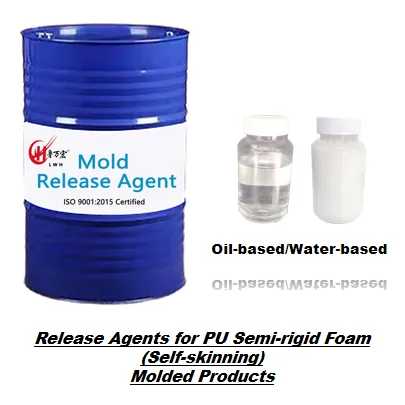
The remarkable chemical compatibility demonstrated by polyurethane semi rigid self skinning foam release agent ensures seamless integration with diverse polyurethane formulations while maintaining optimal release performance and preventing adverse chemical interactions that could compromise product quality or processing reliability. This comprehensive compatibility extends across various polyurethane chemistries including different isocyanate types, polyol systems, catalyst packages, and additive formulations commonly employed in semi-rigid self-skinning foam applications. The release agent's chemical inertness prevents unwanted reactions with foam components that could alter curing characteristics, affect mechanical properties, or create surface defects in finished products. Manufacturing teams benefit from this broad compatibility as it eliminates the need for extensive testing and validation when changing polyurethane formulations or suppliers, providing operational flexibility and reducing new product introduction timelines. The polyurethane semi rigid self skinning foam release agent maintains its release effectiveness regardless of foam density variations, hardness specifications, or specific performance additives included in the polyurethane system, ensuring consistent results across diverse product lines and applications. Quality control advantages emerge from the predictable interaction characteristics that eliminate chemical compatibility concerns from process development and troubleshooting activities, allowing focus on optimizing foam properties and production parameters. The compatibility extends to various mold materials including aluminum, steel, composite tooling, and specialty coatings, providing versatility in tooling selection and enabling cost-effective mold construction strategies. Research and development activities benefit significantly from this chemical compatibility as new polyurethane formulations can be evaluated without concerns about release agent interference, accelerating product development cycles and reducing testing complexity. The release agent's stability in the presence of moisture, atmospheric oxygen, and other environmental factors ensures consistent performance in real-world production environments where perfect chemical isolation may be challenging to maintain. Regulatory compliance benefits emerge from the predictable chemical behavior that simplifies safety assessments and environmental impact evaluations, supporting documentation requirements for various industry standards and governmental regulations. The chemical compatibility characteristics prove particularly valuable in medical device manufacturing, food contact applications, and other regulated industries where material interactions must be thoroughly understood and controlled to ensure product safety and regulatory approval.