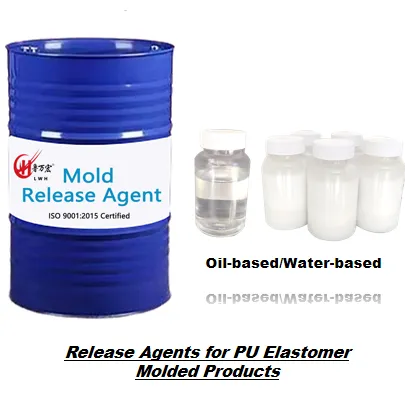
Premium Epoxy Resin Mould Release Agent - Superior Performance & Multi-Cycle Durability

All Categories

epoxy resin mould release agent

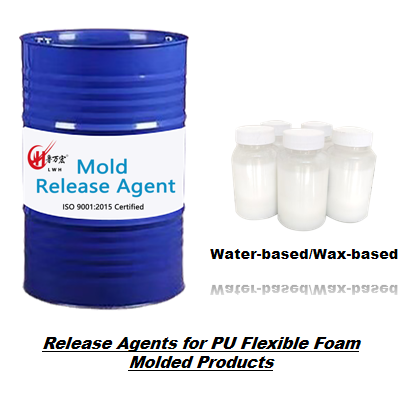
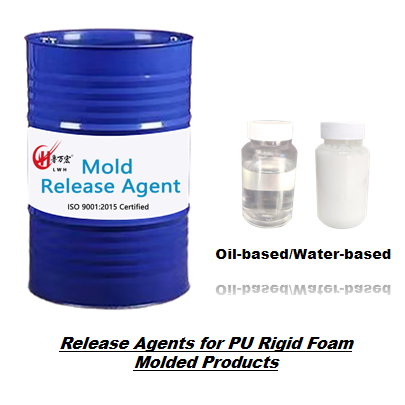
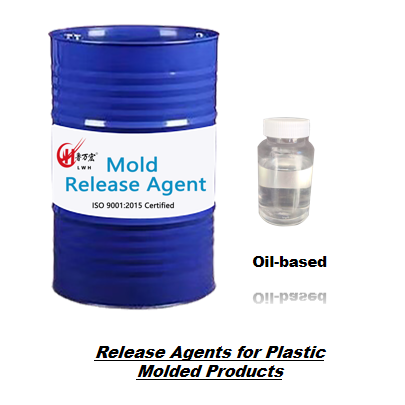
Epoxy resin mould release agent represents a crucial component in modern manufacturing processes, serving as the essential barrier between epoxy resins and mould surfaces. This specialized chemical formulation prevents adhesion between cured epoxy materials and their forming tools, enabling clean and efficient part removal while preserving mould integrity. The epoxy resin mould release agent functions through advanced surface chemistry, creating a thin protective layer that eliminates sticking without compromising the quality of finished products. Manufacturing industries rely heavily on these agents to maintain production efficiency and reduce operational costs. The technology behind epoxy resin mould release agent involves sophisticated polymer science, utilizing silicone-based compounds, fluoropolymers, or specialized waxes that provide excellent release properties. These formulations are engineered to withstand high temperatures and pressures commonly encountered during epoxy curing processes. The agent works by forming a microscopic barrier that prevents molecular bonding between the epoxy resin and mould surface, ensuring smooth demolding operations. Key technological features include superior thermal stability, chemical resistance, and extended durability across multiple production cycles. The epoxy resin mould release agent maintains effectiveness even under challenging conditions such as elevated temperatures, aggressive chemical environments, and high-pressure molding scenarios. Applications span numerous industries including aerospace, automotive, marine, construction, and electronics manufacturing. In composite production, epoxy resin mould release agent enables the creation of complex fiber-reinforced parts with pristine surface finishes. The agent proves invaluable for manufacturing carbon fiber components, fiberglass structures, and advanced composite materials where surface quality directly impacts performance characteristics. Additionally, the product finds extensive use in prototyping applications, tooling fabrication, and specialized manufacturing processes requiring consistent release performance and dimensional accuracy throughout production runs.

New Product Releases

The primary advantage of epoxy resin mould release agent lies in its ability to dramatically reduce production downtime and increase manufacturing throughput. When manufacturers use this specialized agent, they eliminate the costly and time-consuming process of dealing with stuck parts or damaged moulds. This translates directly into improved operational efficiency and higher profit margins. The agent ensures consistent part release, allowing production teams to maintain steady workflow without unexpected interruptions or delays. Cost savings become immediately apparent as companies reduce mould replacement expenses and minimize part rejection rates. The epoxy resin mould release agent extends mould lifespan significantly by preventing surface damage and wear that typically occurs when parts stick during demolding. This protection saves thousands of dollars in tooling costs over time, making the investment in quality release agents highly profitable. Another significant benefit involves surface quality enhancement. Parts produced with proper release agents exhibit superior finish characteristics, reducing or eliminating secondary finishing operations. This advantage proves particularly valuable in industries where aesthetic appearance matters, such as automotive panels or consumer products. The agent creates uniform surface conditions that result in consistent part quality across entire production runs. Labor efficiency improves substantially when workers can quickly and easily remove parts without struggling with stuck components. This reduces physical strain on operators and allows faster cycle times, increasing overall productivity. The epoxy resin mould release agent also contributes to workplace safety by eliminating the need for aggressive mechanical removal techniques that could cause injury or equipment damage. Environmental benefits emerge from reduced waste generation, as fewer parts require reworking or disposal due to surface defects or damage during removal. The agent supports sustainable manufacturing practices by maximizing material utilization and minimizing environmental impact. Quality control becomes more predictable and manageable when release agents perform consistently, allowing manufacturers to maintain tight tolerances and meet stringent specifications. Customer satisfaction increases when products arrive with perfect surface finishes and dimensional accuracy, leading to repeat business and positive reputation building in competitive markets.

Practical Tips

Chinese Polyurethane Release Agent: High Performance and Cost-Effective

23

Jul

Chinese Polyurethane Release Agent: High Performance and Cost-Effective

A Reliable Solution for Global Manufacturing Efficiency In modern manufacturing industries where speed, consistency, and quality are paramount, the choice of materials and processing aids significantly influences overall outcomes. Among these, Chines...
View More
How to Use FRP Release Agents for Cleaner Mold Separation?

27

Aug

How to Use FRP Release Agents for Cleaner Mold Separation?

Mastering the Art of FRP Release Agents In the world of composite manufacturing, achieving clean and efficient mold separation is crucial for producing high-quality FRP (Fiber Reinforced Plastic) parts. FRP release agents play a vital role in this pr...
View More
How to Apply PU Flexible Foam Release Agent for Best Results?

27

Oct

How to Apply PU Flexible Foam Release Agent for Best Results?

Mastering the Application of Release Agents in Polyurethane Foam Production The successful production of polyurethane flexible foam products heavily depends on the proper application of release agents. These specialized chemicals play a crucial role ...
View More
How Does PU HR Release Agent Improve Mold Performance?

27

Oct

How Does PU HR Release Agent Improve Mold Performance?

Maximizing Industrial Mold Efficiency with Advanced Release Agents The manufacturing industry continually seeks innovative solutions to enhance production efficiency and product quality. Among these advancements, PU HR release agent has emerged as a ...
View More

Get a Free Quote

Our representative will contact you soon.
Email
Name
Company Name
Message
0/1000

epoxy resin mould release agent

Superior Temperature Resistance and Thermal Stability

Superior Temperature Resistance and Thermal Stability

The exceptional temperature resistance of epoxy resin mould release agent sets it apart from conventional alternatives, making it indispensable for high-performance manufacturing applications. This advanced thermal stability allows the agent to maintain its release properties even when exposed to extreme temperatures during curing processes, which can reach up to 200°C or higher in specialized applications. Unlike standard release agents that may break down or lose effectiveness under thermal stress, this formulation retains its molecular integrity and continues providing reliable release performance throughout demanding production cycles. The thermal stability directly impacts manufacturing efficiency by eliminating the need for frequent reapplication or production delays caused by agent failure. Manufacturers benefit from consistent performance regardless of process temperature variations, ensuring predictable results across different product lines and seasonal temperature changes. This reliability becomes particularly crucial in aerospace and automotive industries where temperature fluctuations are common and part quality cannot be compromised. The agent's ability to withstand thermal cycling prevents degradation that typically occurs with repeated heating and cooling, maintaining effectiveness over hundreds of production cycles. This durability translates into substantial cost savings as manufacturers reduce consumption rates and minimize inventory requirements. Additionally, the superior temperature resistance enables processing of advanced epoxy formulations that cure at elevated temperatures, expanding manufacturing capabilities and opening new market opportunities. The thermal protection also extends to the mould surface itself, as the agent creates a barrier that prevents thermal shock and reduces thermal expansion-related stress on tooling. This protective quality extends mould lifespan and maintains dimensional accuracy over time, contributing to overall production quality and consistency. Quality assurance teams appreciate the predictable performance that temperature-resistant formulations provide, as they can rely on consistent release characteristics regardless of process conditions or environmental factors that might affect production schedules.
Enhanced Chemical Compatibility and Multi-Resin Versatility

Enhanced Chemical Compatibility and Multi-Resin Versatility

The outstanding chemical compatibility of epoxy resin mould release agent represents a breakthrough in manufacturing flexibility, enabling seamless integration with diverse resin systems and additive packages. This versatility eliminates the complexity of maintaining multiple release agent inventories for different materials, simplifying procurement and storage while reducing operational overhead. The formulation demonstrates excellent compatibility with standard epoxy resins, modified epoxy systems, vinyl esters, polyurethanes, and various hybrid materials commonly used in advanced manufacturing. This broad compatibility stems from carefully engineered molecular structures that remain chemically inert across different resin chemistries, preventing unwanted interactions that could compromise part quality or surface finish. Manufacturers benefit tremendously from this versatility as they can standardize on a single release agent for multiple product lines, reducing training requirements and minimizing the risk of using incorrect materials. The chemical stability also ensures that the agent will not interfere with curing mechanisms or cause defects such as fisheyes, poor adhesion in secondary bonding operations, or surface contamination that might affect painting or coating processes. This reliability proves essential in industries where post-processing steps are critical, such as automotive body panels that require flawless paint adhesion or aerospace components that undergo additional surface treatments. The multi-resin compatibility extends production capabilities by allowing manufacturers to experiment with new materials and formulations without concerns about release agent compatibility issues. Research and development teams appreciate this flexibility as they can focus on optimizing resin properties without worrying about demolding challenges. The chemical inertness also contributes to longer storage life and stability under various environmental conditions, reducing waste and ensuring consistent performance regardless of storage duration or ambient conditions. Quality control benefits from the predictable behavior across different resin systems, allowing standardized procedures and testing protocols that streamline production processes and maintain consistent quality standards throughout diverse product portfolios.
Extended Durability and Multi-Release Performance

Extended Durability and Multi-Release Performance

The exceptional durability and multi-release capability of epoxy resin mould release agent delivers unprecedented value through extended service life and consistent performance across numerous production cycles. This advanced formulation can typically provide effective release properties for 15-30 cycles or more, depending on application conditions and part complexity, significantly outperforming traditional release agents that may require reapplication after every few uses. The extended durability stems from robust molecular structures that resist mechanical wear, chemical degradation, and thermal breakdown, maintaining their release properties even under demanding production conditions. This longevity translates directly into reduced labor costs as operators spend less time applying release agents and more time on productive manufacturing activities. The multi-release performance also contributes to improved production flow consistency, as manufacturers can rely on predictable cycle times without interruptions for frequent reapplication procedures. Cost analysis reveals substantial savings when comparing per-part costs between high-durability release agents and conventional alternatives, with the extended service life often justifying premium pricing through overall operational efficiency gains. Quality benefits emerge from the consistent release characteristics maintained throughout the service life, ensuring uniform part surface quality from the first release to the final application before recoating becomes necessary. This consistency proves particularly valuable in high-volume production environments where part-to-part variation must be minimized to maintain quality standards and customer satisfaction. The durability also supports lean manufacturing principles by reducing inventory requirements and minimizing waste associated with frequent product changeovers. Environmental impact decreases as reduced consumption rates lower packaging waste and transportation requirements, supporting corporate sustainability initiatives. Maintenance teams appreciate the reduced frequency of mould cleaning and preparation cycles, as the durable formulation leaves minimal residue and maintains clean release surfaces longer than conventional products. Production planning becomes more predictable when release agent performance remains consistent across extended periods, allowing better resource allocation and scheduling optimization that improves overall manufacturing efficiency and profitability.

Get a Free Quote

Our representative will contact you soon.
Email
Name
Company Name
Message
0/1000