Professional Mold Release Agent for Rubber - Superior Demolding Solutions for Enhanced Manufacturing Efficiency

All Categories

mold release agent for rubber

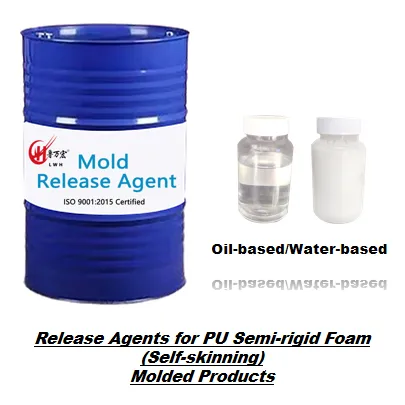
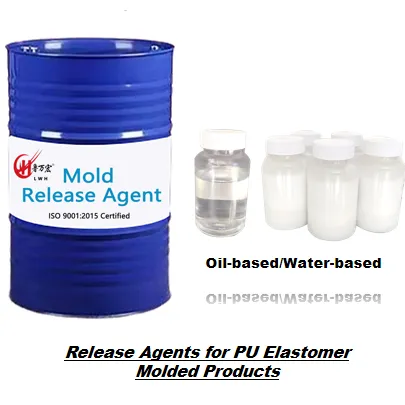
Mold release agent for rubber represents a crucial component in modern manufacturing processes, serving as an essential barrier between rubber products and their molds during production. This specialized chemical formulation prevents rubber materials from adhering to mold surfaces, ensuring smooth demolding operations and maintaining product quality standards. The primary function of mold release agent for rubber involves creating a thin, protective layer that facilitates easy separation of finished rubber components from their manufacturing molds without causing damage to either the product or the mold itself. Technologically, these agents incorporate advanced polymer chemistry and surface tension modification properties that provide superior release characteristics while maintaining compatibility with various rubber formulations. The composition typically includes silicone-based compounds, fluorinated polymers, or specialty waxes that offer excellent thermal stability and chemical resistance. Modern mold release agent for rubber formulations demonstrate exceptional performance across wide temperature ranges, making them suitable for both hot and cold molding processes. Applications span numerous industries including automotive manufacturing, where rubber seals, gaskets, and components require precise molding; medical device production requiring sterile and contamination-free surfaces; consumer goods manufacturing involving rubber handles, grips, and protective elements; and industrial applications encompassing conveyor belts, rubber rollers, and machinery components. The versatility of mold release agent for rubber extends to injection molding, compression molding, transfer molding, and vulcanization processes. These agents significantly reduce cycle times by eliminating manual cleaning procedures between production runs, thereby increasing manufacturing efficiency and reducing labor costs. Furthermore, they preserve mold surface integrity by preventing rubber residue buildup and chemical interactions that could lead to surface deterioration. Quality mold release agent for rubber formulations ensure consistent surface finish on final products while minimizing defects such as surface blemishes, incomplete fills, or dimensional variations that could compromise product performance and aesthetic appeal.

New Products

The implementation of mold release agent for rubber delivers substantial operational benefits that directly impact manufacturing efficiency and product quality. Manufacturing facilities experience dramatic reductions in production downtime since workers no longer need to manually scrape or chemically clean molds between production cycles. This time-saving advantage translates into increased throughput capacity, allowing companies to fulfill larger orders within shorter timeframes and improve overall productivity metrics. Cost savings emerge through multiple channels when using effective mold release agent for rubber systems. Labor expenses decrease as fewer personnel hours are required for mold maintenance and cleaning procedures. Material waste reduction occurs because products release cleanly without tearing, stretching, or surface defects that would necessitate scrapping entire batches. Mold longevity increases significantly as the protective barrier prevents corrosive rubber compounds from directly contacting metal surfaces, reducing replacement frequencies and associated capital expenditures. Quality consistency represents another major advantage of professional-grade mold release agent for rubber formulations. Products achieve uniform surface textures and dimensional accuracy since the release agent creates predictable separation characteristics across all mold cavities. This consistency reduces quality control rejections and customer complaints while building brand reputation for reliability. Operational flexibility improves as modern mold release agent for rubber products accommodate various rubber types including natural rubber, synthetic elastomers, silicone rubber, and specialty compounds without requiring formula adjustments or application procedure modifications. Temperature stability ensures consistent performance whether processing occurs at ambient conditions or elevated vulcanization temperatures exceeding 200 degrees Celsius. Environmental benefits include reduced solvent emissions and waste generation compared to traditional release methods involving petroleum-based sprays or mechanical separation techniques. Many contemporary mold release agent for rubber formulations meet stringent environmental regulations and workplace safety standards, creating healthier working conditions for production personnel. The ease of application represents a practical advantage as most products can be applied through simple spraying, brushing, or wiping procedures without requiring specialized equipment or extensive training programs. Storage and handling remain straightforward with extended shelf life and minimal special storage requirements, reducing inventory management complexity and associated costs.

Latest News

What Makes Chinese Polyurethane Release Agent a Global Industry Choice?

23

Jul

What Makes Chinese Polyurethane Release Agent a Global Industry Choice?

Innovation and Affordability Drive Global Demand In the realm of industrial manufacturing, efficiency and precision are key elements in ensuring consistent production quality. The Chinese Polyurethane Release Agent has emerged as a pivotal solution t...
View More
Top Benefits of Using Chinese Polyurethane Release Agent in Manufacturing

23

Jul

Top Benefits of Using Chinese Polyurethane Release Agent in Manufacturing

Enhancing Productivity with Advanced Release Solutions In modern industrial manufacturing, efficiency and material performance are fundamental to remaining competitive. One of the essential tools contributing to production efficiency is the use of re...
View More
Why Manufacturers Prefer Chinese Polyurethane Release Agent Today?

23

Jul

Why Manufacturers Prefer Chinese Polyurethane Release Agent Today?

Understanding the Rising Popularity of Chinese Polyurethane Release Agent Chinese polyurethane release agent has become increasingly favored by manufacturers worldwide due to its unique combination of high performance and cost-effectiveness. As indus...
View More
How to Apply PU Flexible Foam Release Agent for Best Results?

27

Oct

How to Apply PU Flexible Foam Release Agent for Best Results?

Mastering the Application of Release Agents in Polyurethane Foam Production The successful production of polyurethane flexible foam products heavily depends on the proper application of release agents. These specialized chemicals play a crucial role ...
View More

Get a Free Quote

Our representative will contact you soon.
Email
Name
Company Name
Message
0/1000

mold release agent for rubber

Superior Demolding Performance and Surface Protection

Superior Demolding Performance and Surface Protection

The exceptional demolding performance of advanced mold release agent for rubber formulations stems from precisely engineered molecular structures that create optimal interfacial properties between rubber and mold surfaces. These sophisticated chemical compositions utilize cutting-edge polymer technology to establish ultra-thin protective barriers that effectively prevent molecular adhesion while maintaining surface integrity throughout repeated production cycles. The superior performance characteristics emerge from carefully balanced formulations that incorporate multiple active components working synergistically to provide consistent release properties. Silicone-based polymers within the mold release agent for rubber create flexible, heat-resistant films that conform to intricate mold geometries while maintaining their release effectiveness even under extreme processing conditions. This advanced chemistry ensures that complex rubber components with undercuts, fine details, or textured surfaces separate cleanly without surface damage or dimensional distortion. The protective qualities extend beyond simple release functionality to encompass comprehensive mold preservation benefits. Regular application of quality mold release agent for rubber prevents corrosive rubber compounds from chemically attacking mold surfaces, particularly important when processing sulfur-cured elastomers that can cause significant metal corrosion over time. The barrier effect also prevents rubber residue accumulation in mold cavities, maintaining precise dimensional tolerances and surface finish requirements throughout extended production runs. Temperature stability represents a critical performance aspect, as effective mold release agent for rubber maintains consistent properties across wide thermal ranges typically encountered in rubber processing operations. Whether dealing with ambient temperature compression molding or high-temperature vulcanization processes, these agents retain their molecular integrity and release characteristics, ensuring predictable demolding behavior regardless of processing conditions. The durability factor becomes particularly important in high-volume manufacturing environments where molds undergo thousands of cycles between maintenance intervals, making reliable performance essential for maintaining production schedules and quality standards.
Enhanced Production Efficiency and Cost Optimization

Enhanced Production Efficiency and Cost Optimization

The implementation of professional-grade mold release agent for rubber creates measurable improvements in manufacturing efficiency through multiple operational enhancements that collectively reduce production costs and increase profitability. Cycle time reduction represents the most immediate and visible benefit, as products release instantaneously without requiring manual intervention, mechanical assistance, or cooling delays that traditionally extend processing times. This acceleration enables manufacturers to increase daily output volumes using existing equipment and personnel, effectively expanding production capacity without capital investments in additional machinery or facility space. The efficiency gains compound throughout the production process as reduced cycle times allow for more frequent mold utilization, maximizing return on tooling investments and improving overall equipment effectiveness metrics. Labor optimization occurs naturally as workers previously assigned to mold cleaning and maintenance tasks can redirect their efforts toward value-added activities such as quality control, equipment monitoring, or secondary operations. The elimination of manual demolding procedures also reduces workplace injury risks associated with repetitive motions, forceful extraction techniques, or exposure to cleaning solvents, creating safer working environments while reducing insurance and compensation costs. Inventory management benefits emerge as consistent production scheduling becomes possible when demolding variables are eliminated through effective mold release agent for rubber application. Predictable cycle times enable accurate production planning, reducing work-in-process inventory levels and associated carrying costs while improving customer delivery reliability. Quality-related cost savings develop through reduced rejection rates and rework requirements, as clean demolding prevents surface defects, dimensional variations, and contamination issues that commonly occur with inadequate release systems. The cumulative economic impact extends to equipment maintenance where protected molds require less frequent refurbishment, reconditioning, or replacement, significantly reducing tooling costs over equipment lifecycles. Energy efficiency improvements occur as heating and cooling cycles can be optimized when consistent thermal properties are maintained through proper mold release agent for rubber application, reducing utility expenses while supporting sustainability initiatives.
Versatile Application Compatibility and Environmental Safety

Versatile Application Compatibility and Environmental Safety

Modern mold release agent for rubber formulations demonstrate remarkable versatility across diverse rubber processing applications, accommodating various elastomer types, processing methods, and industrial requirements without compromising performance or safety standards. This comprehensive compatibility stems from advanced chemical engineering that creates neutral interfacial properties suitable for natural rubber, synthetic elastomers, silicone rubber, fluoroelastomers, and specialty compounds used in demanding applications. The universal application capability eliminates the need for multiple product inventories, simplifying procurement processes and reducing storage requirements while ensuring consistent results across different production lines. Processing method compatibility encompasses injection molding, compression molding, transfer molding, autoclave curing, and continuous vulcanization systems, allowing manufacturers to standardize their release agent systems regardless of production technology variations. This versatility proves particularly valuable for facilities producing diverse product portfolios or companies expanding into new market segments requiring different processing approaches. The adaptability extends to various mold materials including steel, aluminum, composite tooling, and specialized coatings, ensuring effective release performance regardless of mold construction or surface treatments. Environmental responsibility represents a critical consideration in contemporary manufacturing, and leading mold release agent for rubber products incorporate eco-friendly formulations that minimize environmental impact while maintaining superior performance characteristics. These environmentally conscious formulations reduce volatile organic compound emissions, eliminate hazardous air pollutants, and utilize biodegradable components that support corporate sustainability initiatives and regulatory compliance requirements. Worker safety enhancements include non-toxic formulations, reduced flammability characteristics, and elimination of carcinogenic components commonly found in traditional release agents, creating healthier workplace environments and reducing occupational health risks. The safety improvements extend to food-grade applications where specialized mold release agent for rubber formulations meet FDA regulations for indirect food contact, enabling production of rubber components used in food processing equipment, medical devices, and consumer products requiring stringent purity standards. Application flexibility allows for various delivery methods including aerosol sprays, brush-on applications, and automated dispensing systems, accommodating different production scales and operational preferences while maintaining consistent coverage and performance results.

Get a Free Quote

Our representative will contact you soon.
Email
Name
Company Name
Message
0/1000