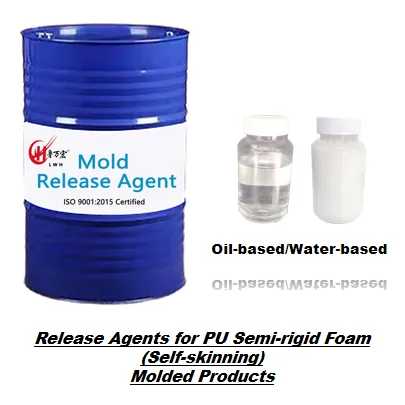
αποσυρματικό σιλικονέου για εποξείδιο
Το κατάλυμα μήτρας σιλικόνης για εποξείδιο αντιπροσωπεύει μια εξειδικευμένη χημική λύση που σχεδιάστηκε για να διευκολύνει τον καθαρό διαχωρισμό της σκληρυμένης εποξειδικής ρητίνης από διάφορες επιφάνειες μήτρας. Αυτή η απαραίτητη βοήθεια στην παραγωγή λειτουργεί ως επικάλυψη-φραγμός που εμποδίζει τα εποξειδικά υλικά να προσφύονται μόνιμα στα υποστρώματα των μητρών, διασφαλίζοντας ομαλές διαδικασίες απομόρφωσης και επεκτείνοντας τη διάρκεια ζωής των μητρών. Η κύρια λειτουργία του καταλύματος μήτρας σιλικόνης για εποξείδιο περιλαμβάνει τη δημιουργία ενός εξαιρετικά λεπτού, μη αντιδραστικού στρώματος μεταξύ της επιφάνειας της μήτρας και της εποξειδικής ρητίνης, επιτρέποντας την εύκολη αφαίρεση των εξαρτημάτων χωρίς ζημιά ή μόλυνση της επιφάνειας. Τεχνολογικά, αυτοί οι παράγοντες απομάκρυνσης χρησιμοποιούν προηγμένη χημεία σιλικόνης που διατηρεί τη σταθερότητά της υπό διαφορετικές συνθήκες θερμοκρασίας, παρέχοντας σταθερή απόδοση σε πολλαπλούς κύκλους χύτευσης. Ο τύπος συνήθως περιλαμβάνει πολυμερή σιλικόνης υψηλής ποιότητας που εμφανίζουν εξαιρετική θερμική αντοχή, χημική αδράνεια και ανώτερες ιδιότητες βρεχόμενης σε διάφορα υλικά υποστρώματος. Τα σύγχρονα προϊόντα καταλύματος μήτρας σιλικόνης για εποξείδιο διαθέτουν χαμηλή περιεκτικότητα σε πτητικές οργανικές ενώσεις, καθιστώντας τα περιβαλλοντικά υπεύθυνες επιλογές για βιομηχανικές εφαρμογές. Το τεχνολογικό πλαίσιο πίσω από αυτές τις λύσεις τονίζει τη συμβατότητα με εποξειδικά συστήματα σκλήρυνσης τόσο σε θερμοκρασία δωματίου όσο και σε υψηλότερες θερμοκρασίες, διασφαλίζοντας ευελιξία σε διαφορετικές διαδικασίες παραγωγής. Οι εφαρμογές του καταλύματος μήτρας σιλικόνης για εποξείδιο καλύπτουν πολλές βιομηχανίες, όπως αεροδιαστημική, αυτοκινητοβιομηχανία, ναυτιλία, ηλεκτρονικά και διακοσμητικές τέχνες. Βιομηχανικές εγκαταστάσεις χρησιμοποιούν αυτά τα προϊόντα για την παραγωγή σύνθετων εξαρτημάτων, ηλεκτρικών μονωτήρων, προστατευτικών επικαλύψεων και καλλιτεχνικών δημιουργιών, όπου η ακριβής επιφανειακή ολοκλήρωση και η διαστατική ακρίβεια είναι κρίσιμες. Ο τομέας της αεροδιαστημικής εκτιμά ιδιαίτερα το κατάλυμα μήτρας σιλικόνης για εποξείδιο στην κατασκευή ελαφρών δομικών εξαρτημάτων, ενώ οι κατασκευαστές αυτοκινήτων βασίζονται σε αυτές τις λύσεις για τη δημιουργία ανθεκτικών εξαρτημάτων για τον θάλαμο μηχανής και πλαϊνών πλαισίων. Οι εφαρμογές στη ναυτιλία επωφελούνται από τις αντιδιαβρωτικές ιδιότητες που ενσωματώνονται στα σωστά απομακρυνόμενα εποξειδικά εξαρτήματα, ενώ οι κατασκευαστές ηλεκτρονικών εξαρτημάτων εξαρτώνται από τις διηλεκτρικές ιδιότητες που διατηρούνται μέσω καθαρών διαδικασιών απομάκρυνσης.

 EN
EN