


epoxy release agent
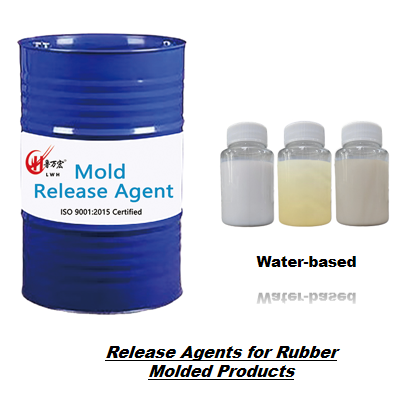
Epoxy release agent represents a specialized chemical solution engineered to prevent adhesion between epoxy resins and mold surfaces during manufacturing processes. This essential industrial product serves as a barrier coating that ensures clean separation of cured epoxy parts from their forming tools without damage or residue transfer. The primary function of epoxy release agent involves creating a non-stick interface that allows manufacturers to consistently produce high-quality composite parts, tools, and components across various industries including aerospace, automotive, marine, and construction sectors. The technological foundation of modern epoxy release agents incorporates advanced polymer chemistry and surface science principles to deliver reliable performance under demanding production conditions. These formulations typically contain silicone-based compounds, fluoropolymers, or specialized wax systems that provide excellent thermal stability and chemical resistance. Temperature resistance ranges from standard room temperature applications up to high-heat processes exceeding 300 degrees Celsius, making epoxy release agent suitable for both ambient and elevated temperature curing cycles. The chemical composition ensures compatibility with various epoxy resin systems including standard bisphenol-A types, novolac resins, and specialty high-performance formulations. Application methods for epoxy release agent include spray coating, brush application, and automated dispensing systems depending on production requirements and part geometry. Surface preparation protocols typically involve thorough cleaning and degreasing before epoxy release agent application to ensure optimal performance. Professional manufacturers utilize epoxy release agent in tooling applications, prototype development, production molding, and repair operations where clean part separation is critical. The versatility of epoxy release agent extends to both permanent and semi-permanent release systems, with selection depending on production volume and quality requirements. Quality control measures ensure consistent film thickness and coverage to prevent breakthrough adhesion or surface defects that could compromise part quality or tool longevity.