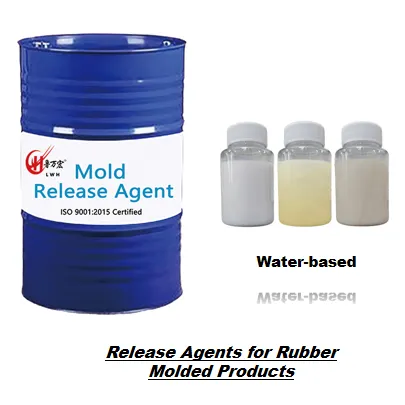
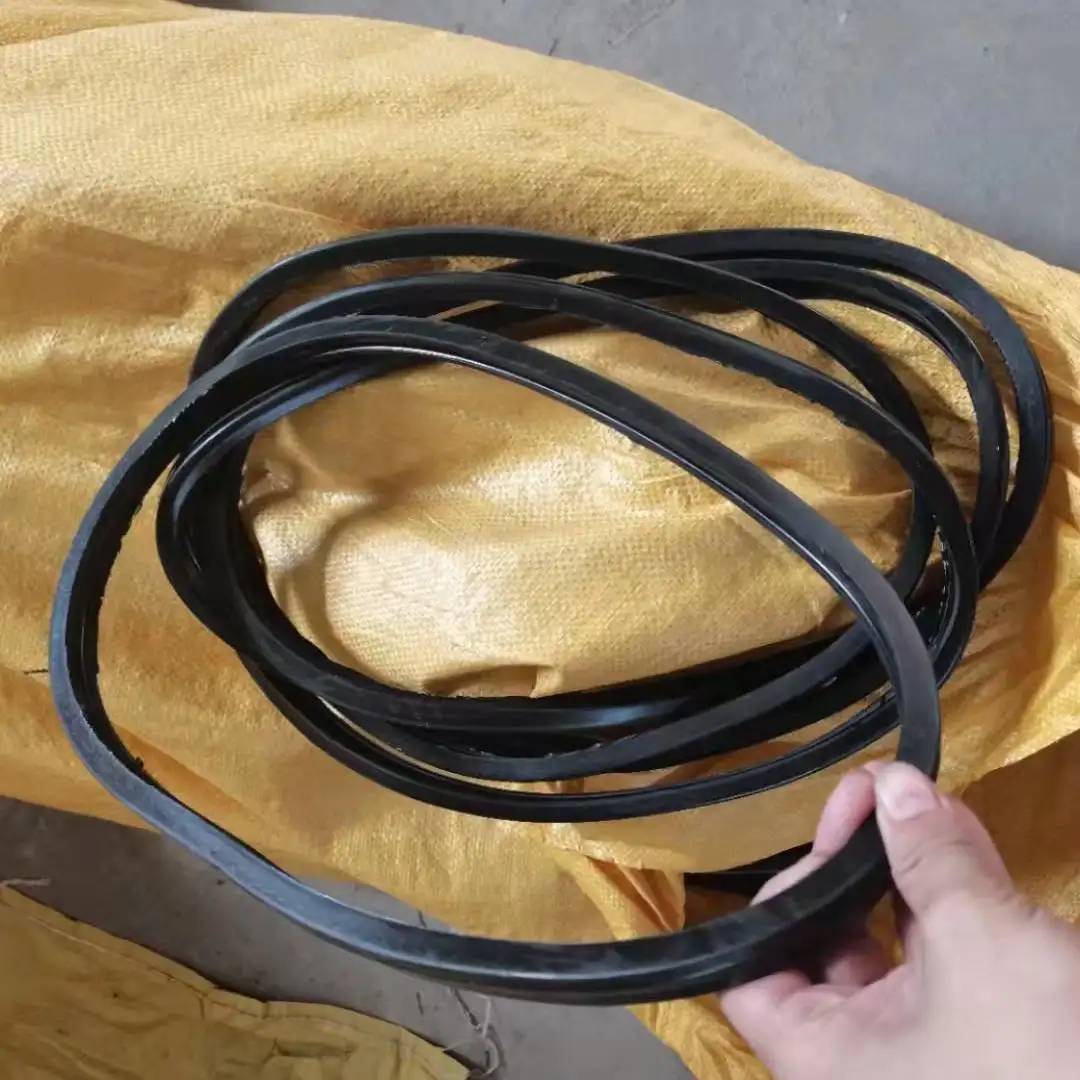
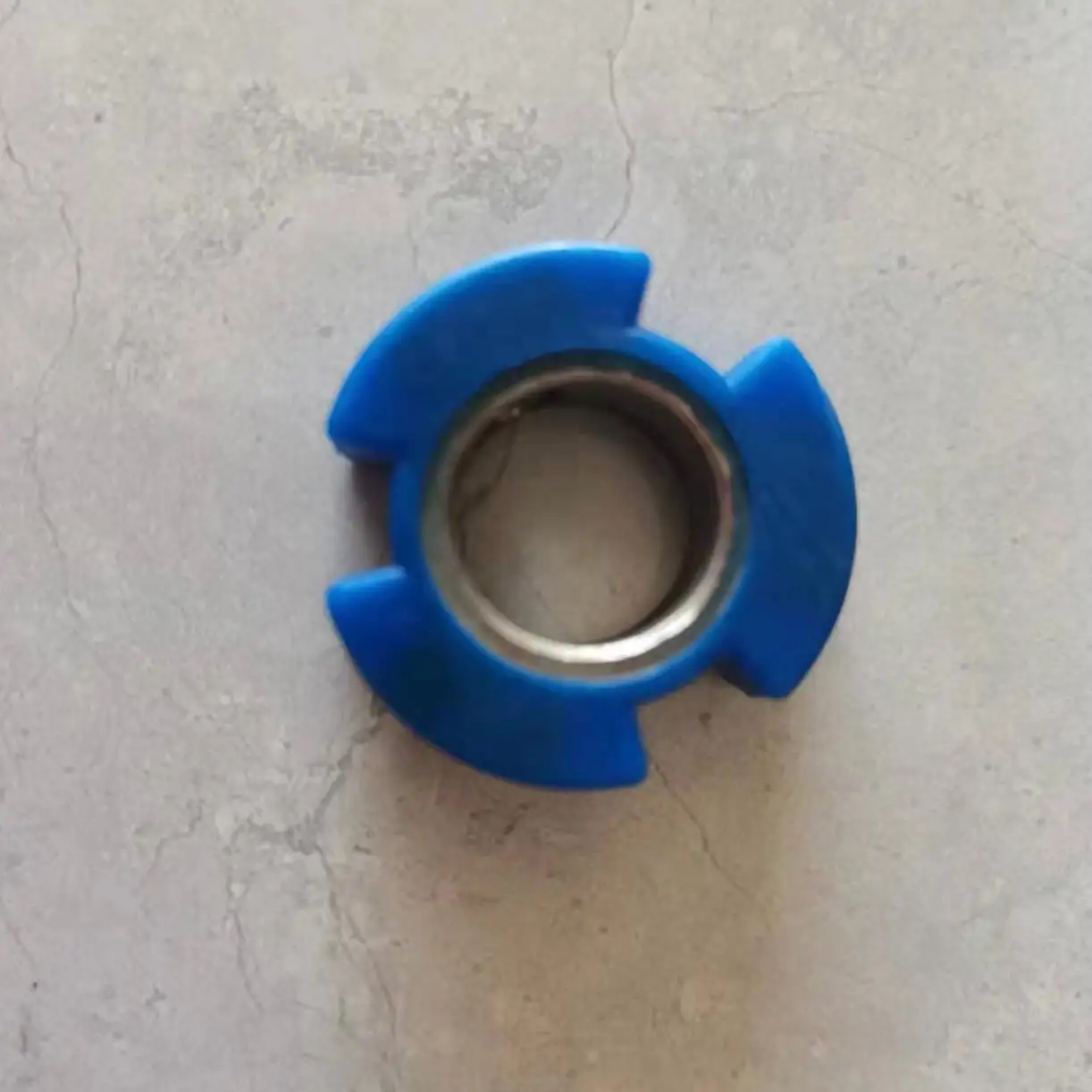
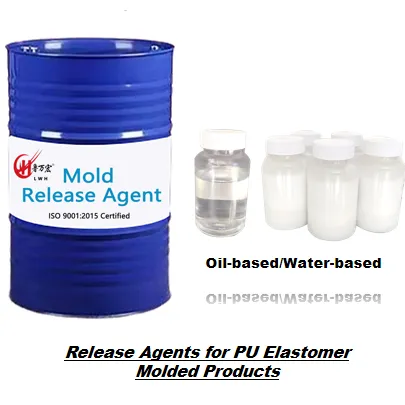
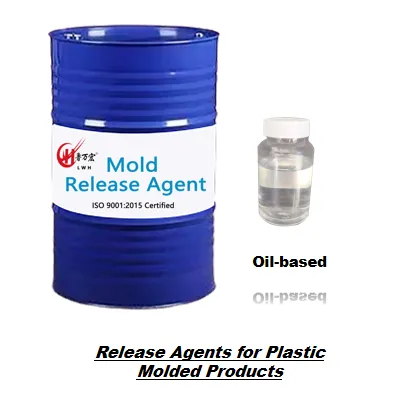
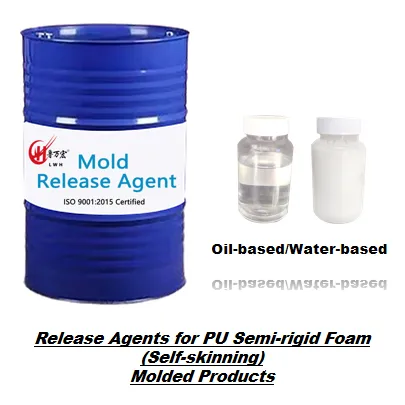
ऑटोमोबाइल पार्ट्स के लिए रिजिड पीयू फ़ोम रिलीज़ एजेंट
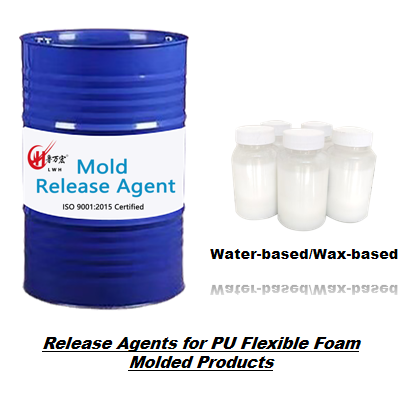
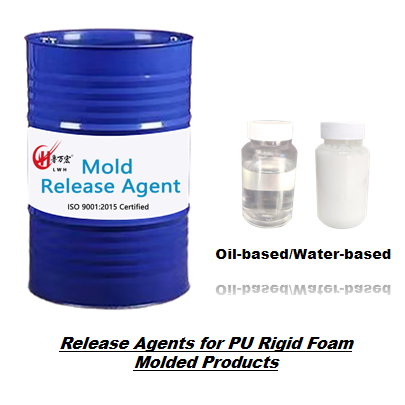
ऑटोमोटिव पार्ट्स के लिए रिजिड पीयू फोम रिलीज एजेंट आधुनिक वाहन निर्माण प्रक्रियाओं में एक महत्वपूर्ण घटक हैं, जिनकी डिज़ाइन ऑटोमोटिव अनुप्रयोगों में उपयोग होने वाले पॉलीयूरेथेन फोम घटकों के कुशल उत्पादन को सुगम बनाने के लिए विशेष रूप से की गई है। ये विशेष रासायनिक सूत्रीकरण साँचे और फोम सामग्री के बीच एक आवश्यक मध्यस्थ के रूप में कार्य करते हैं, जिससे तैयार उत्पाद और निर्माण उपकरण दोनों की बनावट बनी रहे, जबकि साफ अलगाव सुनिश्चित हो। ऑटोमोटिव पार्ट्स के लिए रिजिड पीयू फोम रिलीज एजेंट साँचे की सतहों पर एक सूक्ष्म अवरोध परत बनाकर काम करता है, जो मोल्डिंग प्रक्रिया के दौरान ठीक हुए पॉलीयूरेथेन फोम को उपकरण से चिपकने से रोकता है। यह तकनीक डैशबोर्ड पैनल, दरवाजे के इन्सर्ट, सीट कुशन, हेडरेस्ट, आर्मरेस्ट और संरचनात्मक फोम तत्वों सहित विभिन्न ऑटोमोटिव घटकों के निर्माण में अत्यंत महत्वपूर्ण साबित होती है। ऑटोमोटिव पार्ट्स के लिए रिजिड पीयू फोम रिलीज एजेंट के मुख्य कार्यों में साँचे की सुरक्षा, सतह की गुणवत्ता में सुधार, उत्पादन दक्षता में वृद्धि और बढ़ी हुई उपकरण आयु के माध्यम से लागत में कमी शामिल है। तकनीकी रूप से, इन एजेंट्स में पॉलीयूरेथेन उपचार प्रक्रियाओं के दौरान होने वाली रासायनिक प्रतिक्रियाओं का सामना करने वाले उन्नत सिलिकॉन-आधारित या अर्ध-स्थायी सूत्र शामिल होते हैं। इनमें उत्कृष्ट तापीय स्थिरता होती है, जो ऑटोमोटिव फोम मोल्डिंग ऑपरेशनों में आमतौर पर आने वाली तापमान सीमा में प्रभावशीलता बनाए रखती है। रिलीज एजेंट में उत्कृष्ट फैलाव गुण होते हैं, जो ऑटोमोटिव पार्ट्स उत्पादन में आम जटिल साँचे की ज्यामिति पर एकसमान कवरेज सुनिश्चित करते हैं। इसके अतिरिक्त, वे नियंत्रित रिलीज गुण प्रदान करते हैं, जो लगातार डीमोल्डिंग बलों की अनुमति देते हैं, जबकि फोम के अपघटन या सतह दोषों को रोकते हैं। अनुप्रयोग आंतरिक आराम घटकों से लेकर सटीक आयामी सहनशीलता की आवश्यकता वाले संरचनात्मक तत्वों तक कई ऑटोमोटिव उप-प्रणालियों में फैले हुए हैं। ऑटोमोटिव पार्ट्स के लिए रिजिड पीयू फोम रिलीज एजेंट उच्च मात्रा वाले उत्पादन वातावरण और विशेष कम मात्रा वाले अनुप्रयोगों दोनों का समर्थन करता है, जो विभिन्न फोम घनत्वों और उपचार चक्रों के अनुकूल होता है। आधुनिक सूत्रीकरण पर्यावरणीय पहलुओं को भी संबोधित करते हैं, जो कम वाष्पशील कार्बनिक यौगिक उत्सर्जन प्रदान करते हैं, जबकि प्रदर्शन मानकों को बनाए रखते हैं जिनकी ऑटोमोटिव निर्माता स्थायी उत्पादन समाधानों की खोज करते समय आवश्यकता होती है।

 EN
EN