Premium Rubber to Rubber Mold Release Solutions - Superior Performance & Quality

All Categories

rubber to rubber mold release

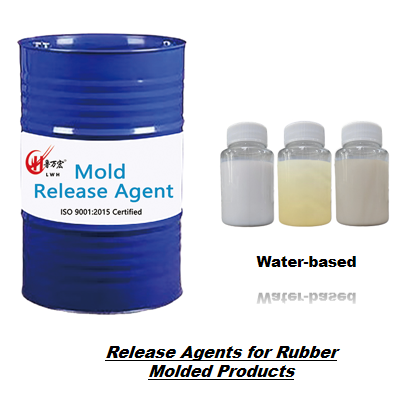
Rubber to rubber mold release represents a specialized chemical solution designed to facilitate the separation of rubber components during manufacturing processes. This essential industrial product serves as a barrier agent between rubber surfaces, preventing unwanted adhesion while maintaining the integrity of both the mold and the finished product. The primary function of rubber to rubber mold release involves creating a thin, uniform film that reduces surface tension and eliminates bonding between rubber materials. This separation agent proves invaluable in applications where rubber parts must be molded against existing rubber surfaces or where multiple rubber layers require distinct boundaries. The technological features of rubber to rubber mold release include advanced polymer chemistry that ensures consistent performance across varying temperature ranges and pressure conditions. Modern formulations incorporate silicone-based compounds, fluoropolymer additives, or specialized wax systems that provide superior release properties without compromising the surface quality of finished products. These release agents demonstrate excellent thermal stability, maintaining their effectiveness even under elevated processing temperatures commonly encountered in rubber manufacturing. The chemical composition typically includes surfactants that reduce interfacial tension, coupled with carrier solvents that ensure proper application and distribution. Applications for rubber to rubber mold release span numerous industries, including automotive manufacturing, aerospace components, medical device production, and consumer goods fabrication. In tire manufacturing, this release agent prevents inner tubes from adhering to tire casings during vulcanization processes. The footwear industry relies heavily on rubber to rubber mold release for producing multi-component shoe soles where different rubber compounds must remain separate yet perfectly formed. Electronics manufacturers utilize these products when creating rubber gaskets, seals, and protective covers that require precise dimensional accuracy. The versatility of rubber to rubber mold release extends to specialty applications such as rubber dam construction, inflatable product manufacturing, and industrial gasket production, where reliable separation ensures consistent quality and operational efficiency across diverse manufacturing environments.

New Product Recommendations

The advantages of rubber to rubber mold release deliver significant practical benefits that directly impact manufacturing efficiency and product quality. First and foremost, these specialized release agents dramatically reduce production cycle times by eliminating the need for mechanical separation techniques that often damage delicate rubber components. Manufacturers experience immediate cost savings through reduced labor requirements and minimized material waste, as products separate cleanly without tearing or surface defects that would otherwise require rework or disposal. The consistent application of rubber to rubber mold release ensures uniform surface finishes across all production runs, eliminating the variability that manual separation methods often introduce. This consistency translates directly into improved customer satisfaction and reduced quality control expenses. Temperature resistance represents another crucial advantage, as quality rubber to rubber mold release formulations maintain their effectiveness across the wide temperature ranges encountered in various rubber processing applications. This thermal stability eliminates production delays caused by release agent breakdown and ensures reliable performance regardless of seasonal variations or process modifications. The ease of application provides substantial operational benefits, as most rubber to rubber mold release products can be applied through simple spraying, brushing, or dipping methods that integrate seamlessly into existing production workflows. This simplicity reduces training requirements for production personnel and minimizes the risk of application errors that could compromise product quality. Environmental safety advantages make rubber to rubber mold release an attractive choice for manufacturers seeking to improve workplace conditions while meeting increasingly stringent regulatory requirements. Modern formulations typically feature low volatile organic compound content and reduced toxicity compared to traditional separation methods, contributing to healthier work environments and simplified waste disposal procedures. The economic advantages extend beyond immediate production benefits to include reduced mold maintenance costs, as proper use of rubber to rubber mold release prevents rubber buildup that can damage expensive tooling. Extended mold life directly translates to lower capital equipment costs and reduced production downtime for mold cleaning and repair. Additionally, the improved surface quality achieved through proper release agent use often eliminates secondary finishing operations, further reducing production costs and delivery times. Quality rubber to rubber mold release also provides excellent chemical compatibility with various rubber compounds, ensuring that the release agent does not interfere with vulcanization processes or cause unwanted chemical reactions that could compromise product performance or durability.

Practical Tips

What Makes Chinese Polyurethane Release Agent a Global Industry Choice?

23

Jul

What Makes Chinese Polyurethane Release Agent a Global Industry Choice?

Innovation and Affordability Drive Global Demand In the realm of industrial manufacturing, efficiency and precision are key elements in ensuring consistent production quality. The Chinese Polyurethane Release Agent has emerged as a pivotal solution t...
View More
How Do FRP Release Agents Affect Surface Smoothness and Gloss?

27

Aug

How Do FRP Release Agents Affect Surface Smoothness and Gloss?

Understanding the Impact of Release Agents on FRP Surface Quality The surface quality of fiber reinforced polymer (FRP) composites plays a crucial role in both aesthetics and performance. FRP release agents are fundamental components in the manufactu...
View More
How Luwanhong Release Agent Delivers Consistency and Reliability

27

Oct

How Luwanhong Release Agent Delivers Consistency and Reliability

Achieving Manufacturing Excellence Through Advanced Release Agents In the demanding world of industrial manufacturing, the quality and reliability of release agents play a pivotal role in production success. The Luwanhong release agent has emerged as...
View More
How to Apply PU Flexible Foam Release Agent for Best Results?

27

Oct

How to Apply PU Flexible Foam Release Agent for Best Results?

Mastering the Application of Release Agents in Polyurethane Foam Production The successful production of polyurethane flexible foam products heavily depends on the proper application of release agents. These specialized chemicals play a crucial role ...
View More

Get a Free Quote

Our representative will contact you soon.
Email
Name
Company Name
Message
0/1000

rubber to rubber mold release

Superior Temperature Stability and Performance Consistency

Superior Temperature Stability and Performance Consistency

The exceptional temperature stability of rubber to rubber mold release stands as one of its most valuable characteristics, providing manufacturers with reliable performance across diverse operating conditions. This critical feature ensures that the release agent maintains its effectiveness whether processing occurs at room temperature or under the elevated heat conditions typical of vulcanization processes. Advanced formulations incorporate thermally stable polymers and specialized additives that resist degradation even when exposed to temperatures exceeding 200 degrees Celsius for extended periods. This thermal resilience eliminates production interruptions caused by release agent breakdown and ensures consistent separation performance throughout long production runs. The temperature stability advantage extends to storage conditions as well, allowing manufacturers to maintain inventory without concern for product degradation due to seasonal temperature variations or warehouse conditions. This reliability proves particularly valuable in facilities operating multiple shifts or continuous production schedules, where consistent performance across varying ambient conditions becomes essential for maintaining quality standards. The molecular structure of quality rubber to rubber mold release incorporates cross-linking agents that actually improve performance under moderate heat exposure, creating stronger barrier films that provide superior separation properties. This enhanced performance under thermal stress translates directly into improved product quality, as the release agent continues to prevent adhesion even under the most demanding processing conditions. Temperature stability also contributes to worker safety, as stable formulations reduce the risk of thermal decomposition that could produce harmful vapors or compromise the integrity of the release barrier. Manufacturing facilities benefit from reduced maintenance requirements, as thermally stable rubber to rubber mold release prevents the buildup of degraded material on mold surfaces that would otherwise require frequent cleaning or replacement. The consistency provided by temperature-stable formulations enables manufacturers to optimize their processes with confidence, knowing that the release agent will perform reliably regardless of seasonal variations or process modifications that might affect operating temperatures. This predictable performance characteristic allows for more precise production planning and quality control, ultimately resulting in improved customer satisfaction and reduced warranty claims.
Enhanced Surface Quality and Dimensional Accuracy

Enhanced Surface Quality and Dimensional Accuracy

Rubber to rubber mold release delivers exceptional surface quality improvements that directly translate into superior finished product appearance and dimensional accuracy. The molecular design of modern release agents creates ultra-thin barrier films that prevent surface defects while preserving the finest details of mold textures and patterns. This precision ensures that complex geometries, intricate surface features, and tight dimensional tolerances are maintained throughout the molding process without compromise. The uniform distribution characteristics of quality rubber to rubber mold release eliminate common surface irregularities such as flow lines, sink marks, and texture variations that often plague products manufactured without proper release agents. Advanced formulations incorporate leveling agents that promote smooth, consistent coverage across complex mold surfaces, ensuring that every area receives adequate protection without excess accumulation that could affect dimensional accuracy. The chemical compatibility of rubber to rubber mold release with various rubber compounds prevents unwanted interactions that could cause surface discoloration, texture changes, or dimensional variations in the finished product. This compatibility extends to colorants and additives commonly used in rubber formulations, ensuring that aesthetic properties remain unaffected by the release process. The low-build characteristics of professional-grade rubber to rubber mold release mean that repeated applications do not create thickness buildup that would gradually alter part dimensions or affect mold fit and function. This feature proves particularly important in high-volume production environments where molds may receive multiple release agent applications throughout their service life. Surface energy modification represents another critical aspect of enhanced surface quality, as rubber to rubber mold release reduces the surface tension at the rubber-to-rubber interface without creating defects or weak spots in the finished product. The result is clean, professional-appearing products that require minimal post-processing to achieve desired appearance standards. Quality control benefits include reduced inspection time and lower rejection rates, as products consistently emerge from molds with surfaces that meet or exceed specifications without additional finishing operations. The preservation of surface texture details enables manufacturers to create products with complex aesthetic features, functional grip patterns, or specialized surface properties that would be impossible to achieve without reliable release agent performance. This capability opens new design possibilities and allows manufacturers to differentiate their products in competitive markets while maintaining cost-effective production methods.
Economic Efficiency and Waste Reduction Benefits

Economic Efficiency and Waste Reduction Benefits

The economic efficiency provided by rubber to rubber mold release creates substantial cost advantages that extend throughout the entire manufacturing process, from raw material utilization to final product delivery. Primary savings begin with dramatic waste reduction, as products separate cleanly from molds without tearing, stretching, or surface damage that would require disposal or expensive rework procedures. This clean separation capability typically reduces material waste by 15-30 percent compared to mechanical separation methods, translating directly into lower raw material costs and improved profit margins. Labor efficiency improvements represent another significant economic benefit, as rubber to rubber mold release eliminates time-consuming manual separation techniques that often require skilled operators and specialized tools. Automated production lines benefit particularly from this efficiency, as consistent release performance enables faster cycle times and reduced handling requirements that increase overall throughput capacity. The prevention of mold damage through proper release agent use extends tooling life significantly, often doubling or tripling the service life of expensive molds and dies. This extended tool life reduces capital equipment requirements and minimizes production downtime associated with mold replacement or repair activities. Maintenance cost reductions occur because rubber to rubber mold release prevents the accumulation of rubber residue on mold surfaces that would otherwise require aggressive cleaning procedures or costly restoration services. Energy savings emerge from reduced processing times and elimination of secondary operations such as trimming, grinding, or surface finishing that consume additional power and equipment resources. Quality consistency improvements reduce inspection and testing costs while minimizing warranty claims and customer complaints that can damage brand reputation and require expensive corrective actions. Inventory management benefits include reduced storage requirements for defective products and lower insurance costs associated with waste material handling. Environmental compliance advantages reduce disposal costs and eliminate potential fines or penalties associated with improper waste management practices. The predictable performance of quality rubber to rubber mold release enables more accurate production planning and scheduling, reducing overtime costs and improving delivery performance that can command premium pricing or preferred supplier status. Training cost reductions occur because proper release agent application requires less specialized knowledge compared to alternative separation methods, enabling manufacturers to utilize less experienced operators while maintaining quality standards. These combined economic advantages create compelling return on investment scenarios that justify the use of premium rubber to rubber mold release products in virtually any rubber manufacturing application.

Get a Free Quote

Our representative will contact you soon.
Email
Name
Company Name
Message
0/1000