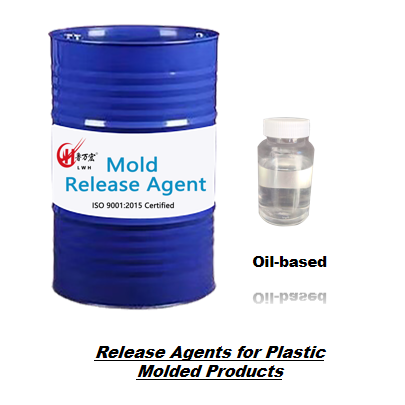
สารหล่อลื่นแม่พิมพ์ซิลิโคนกอม
ตัวปล่อยยางซิลิโคนเป็นนวัตกรรมชั้นสูงในการผลิตที่ต้องการการถอดแบบและการแยกผิวอย่างราบรื่น สารเคมีพิเศษชนิดนี้สร้างชั้นกั้นที่มองไม่เห็นระหว่างพื้นผิว เพื่อป้องกันการยึดติด ขณะเดียวกันก็รักษาความสมบูรณ์ของผลิตภัณฑ์และคุณภาพของพื้นผิวสำเร็จรูปไว้ หน้าที่หลักของตัวปล่อยยางซิลิโคนคือการสร้างชั้นบางระดับโมเลกุลที่ช่วยลดแรงตึงผิว และป้องกันไม่ให้แม่พิมพ์ติดกับผลิตภัณฑ์สำเร็จรูป เทคโนโลยีนี้จึงมีความสำคัญอย่างยิ่งในอุตสาหกรรมต่างๆ ตั้งแต่อุตสาหกรรมยานยนต์ไปจนถึงอุตสาหกรรมแปรรูปอาหาร โดยการปล่อยผลิตภัณฑ์อย่างสม่ำเสมอจะช่วยให้มั่นใจได้ถึงประสิทธิภาพในการดำเนินงานและมาตรฐานคุณภาพ คุณสมบัติทางเทคโนโลยีของตัวปล่อยยางซิลิโคนเกิดจากเคมีโพลิเมอร์ขั้นสูงที่ให้สมรรถนะเหนือกว่า ตัวปล่อยเหล่านี้ใช้โมเลกุลซิลิโคนที่เชื่อมโยงข้ามกัน (cross-linked) เพื่อสร้างชั้นกั้นที่ทนทานและทนความร้อน สามารถรองรับอุณหภูมิและความดันสุดขั้วได้ สารสูตรพิเศษนี้มีความเสถียรในช่วงอุณหภูมิกว้าง โดยทั่วไปตั้งแต่ -40°C ถึง 250°C ทำให้เหมาะสมกับการใช้งานในอุตสาหกรรมหลากหลายประเภท ความเฉื่อยทางเคมีช่วยให้มั่นใจได้ถึงความเข้ากันได้กับวัสดุพื้นฐานหลายชนิด เช่น โลหะ พลาสติก ยางผสม และวัสดุคอมโพสิต ความหลากหลายในการใช้งานของตัวปล่อยยางซิลิโคนครอบคลุมหลายภาคส่วนการผลิต ในกระบวนการขึ้นรูปยาง ตัวปล่อยช่วยให้ถอดชิ้นงานได้ง่ายโดยยังคงรายละเอียดที่ซับซ้อนและพื้นผิวตามต้นแบบไว้ การฉีดขึ้นรูปพลาสติกได้ประโยชน์จากการลดระยะเวลาไซเคิลและการเพิ่มความสม่ำเสมอของผลิตภัณฑ์ อุตสาหกรรมอาหารพึ่งพาสูตรที่ปลอดภัยสำหรับอาหาร ซึ่งสอดคล้องกับกฎระเบียบด้านความปลอดภัยที่เข้มงวด พร้อมทั้งรับประกันคุณสมบัติไม่ติดสำหรับแม่พิมพ์อบขนมและอุปกรณ์แปรรูป ผู้ผลิตรถยนต์ใช้สารเหล่านี้ในการผลิตยางรถยนต์ การผลิตจอยท์ และการผลิตชิ้นส่วนคอมโพสิต อุตสาหกรรมการบินและอวกาศพึ่งพาตัวปล่อยประสิทธิภาพสูงสำหรับการใช้งานเฉพาะทางที่ต้องการความน่าเชื่อถือและความทนทานต่ออุณหภูมิอย่างยิ่ง สูตรขั้นสูงยังสามารถปรับแต่งคุณสมบัติได้ เช่น ความหนืด วิธีการใช้งาน และสมรรถนะที่ออกแบบมาเฉพาะตามความต้องการการผลิตที่แตกต่างกัน เพื่อให้ได้ผลลัพธ์ที่ดีที่สุดในกระบวนการอุตสาหกรรมที่หลากหลาย

 EN
EN