tagapag-alis para sa food-grade na maligalig na pu foam
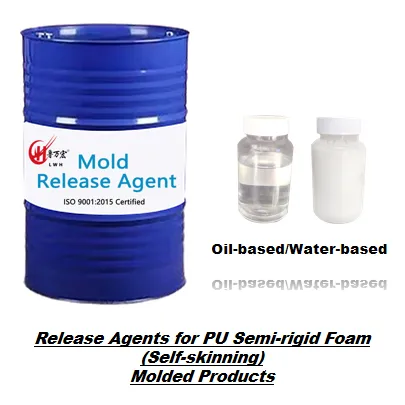
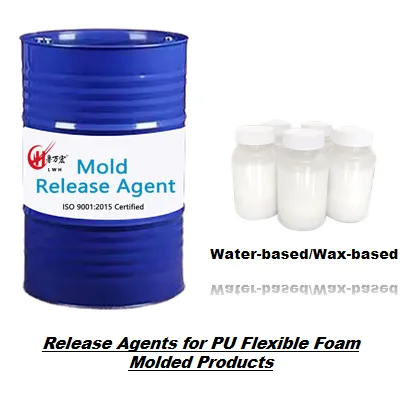
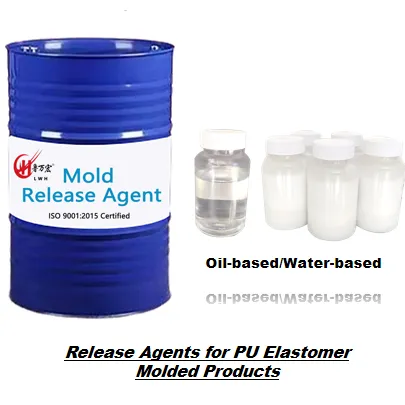
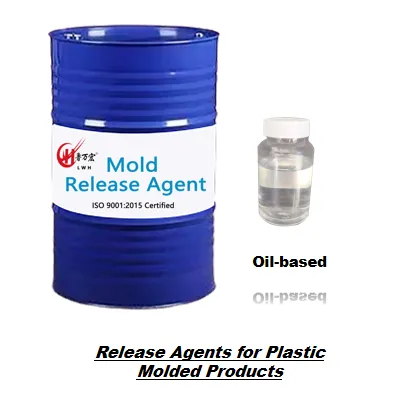
Ang mga food grade rigid PU foam release agents ay nangangahulugan ng mahalagang bahagi sa modernong proseso ng paggawa ng foam, na espesyal na idinisenyo upang matugunan ang mahigpit na mga pamantayan sa kaligtasan ng pagkain habang nagpapanatili ng mahusay na mga katangian ng pagganap. Ang mga espesyalisadong pormulang kemikal na ito ay gumaganap bilang mahalagang tagapamagitan sa pagitan ng mga surface ng hulma at mga materyales na polyurethane foam sa panahon ng produksyon. Ang pangunahing tungkulin ng mga food grade rigid PU foam release agents ay pipigil sa pandikit ng lumalawak na foam sa kagamitang pangproduksyon, tinitiyak ang malinis na paghihiwalay at optimal na kalidad ng produkto. Hindi tulad ng karaniwang mga release agent, ang mga pormula ng food grade rigid PU foam release agent ay sumusunod sa mga regulasyon ng FDA at European food contact standards, na ginagawa silang angkop para sa mga aplikasyon kung saan maaaring dumikit nang direkta o hindi direkta ang mga foam produkto sa mga pagkain. Ang teknolohikal na pundasyon ng mga ahenteng ito ay nakabase sa maingat na pagpili ng mga compound na kemikal na lumilikha ng isang molekular na hadlang sa mga surface ng hulma nang hindi sinisira ang istrukturang integridad ng huling produkto ng foam. Ang mga advanced na teknik sa pormulasyon ay tiniyak ang kompatibilidad sa iba't ibang sistema ng polyurethane habang patuloy na pinananatili ang pare-parehong mga katangian ng paglabas sa buong mahabang produksyon. Ang mga food grade rigid PU foam release agents ay mayroong mahusay na thermal stability, na nagbibigay-daan sa kanila na gumana nang epektibo sa ilalim ng mataas na temperatura na nararanasan sa panahon ng foam curing processes. Ang kanilang aplikasyon ay sumasaklaw sa maraming industriya, kabilang ang food packaging, refrigeration systems, architectural insulation, at specialized equipment manufacturing. Ang versatility ng mga ahenteng ito ay umaabot sa iba't ibang paraan ng aplikasyon, kabilang ang spray application, brush coating, at automated dispensing systems, na nagbibigay sa mga tagagawa ng kakayahang umangkop sa integrasyon sa production line. Ang de-kalidad na food grade rigid PU foam release agents ay nagpapakita ng mahusay na coverage characteristics, na nangangailangan ng minimum na dami upang makamit ang epektibong mga katangian ng paglabas habang binabawasan ang kabuuang gastos sa produksyon at epekto sa kapaligiran sa pamamagitan ng pagbawas sa basurang nalilikha.

 EN
EN