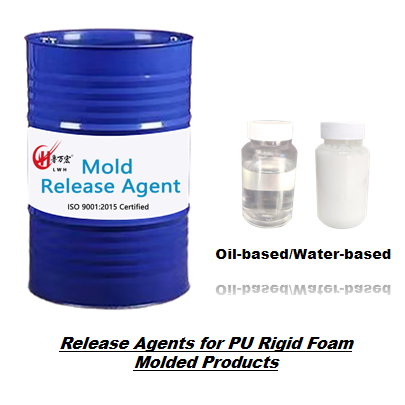
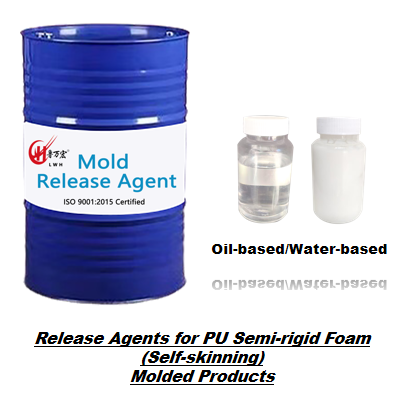
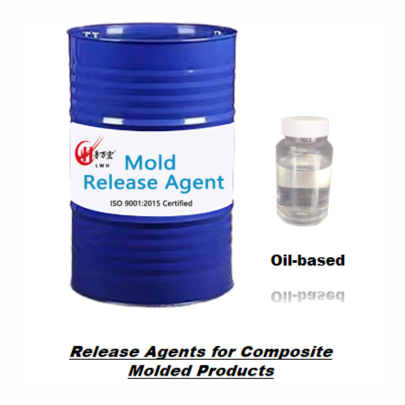
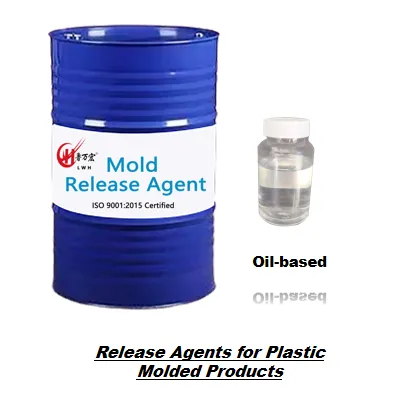
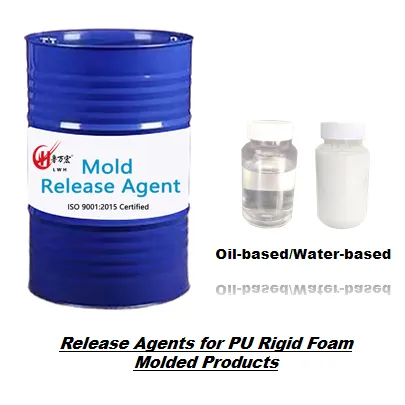
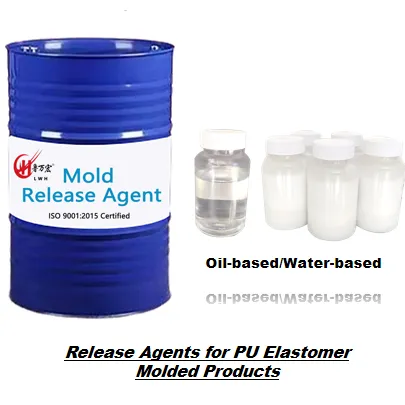
silikon kalıplar için serbest bırakma aracı
Silikon kalıplar için ayırıcı madde, üretim süreçlerinde önemli bir yenilik olarak karşımıza çıkar ve kolay kalıptan çıkarma sağlayarak kalıp ömrünü uzatmak amacıyla özel olarak tasarlanmış kimyasal bir formülasyondur. Bu temel ürün, silikon kalıp yüzeyi ile döküm malzemesi arasında bir bariyer oluşturarak istenmeyen yapışmayı önler ve parçaların sorunsuz ve zahmetsiz şekilde çıkarılmasını garanti eder. Silikon kalıplar için ayırıcı maddenin temel fonksiyonları, üretim verimliliğinin birçok kritik yönünü kapsar. İlk olarak, reçineler, plastikler, metaller veya diğer maddelerle çalışırken, kalıp ile döküm malzemeleri arasındaki yapışmayı ortadan kaldıran ince, görünmez bir koruyucu tabaka oluşturur. İkinci olarak, kalıptan çıkarma süresini ve çabayı önemli ölçüde azaltır ve operatörlerin nihai ürünü ya da pahalı silikon kalıbı hasara uğratmadan tutarlı sonuçlar elde etmesini sağlar. Modern silikon kalıplar için ayırıcı maddelerin teknolojik özellikleri, gelişmiş kimyasal mühendislik prensiplerini içerir. Bu formülasyonlar genellikle optimal yüzey gerilimi özelliklerini yaratmak üzere özel silikon bileşikleri, sentetik polimerler ve özgün katkı maddelerini içerir. Ayırıcı madde, geniş sıcaklık aralıklarında kararlılığını korur ve ortam sıcaklığında ya da yüksek sıcaklıklı döküm işlemlerinde güvenilir performans sunar. Birçok formülasyon, tekrar uygulama gerektirmeden birden fazla döküm döngüsüne olanak tanıyan uzatılmış çalışma süresi sunar. Silikon kalıplar için ayırıcı maddenin uygulama alanları otomotiv parça üretimi, havacılık bileşeni üretimi, tüketici elektroniği muhafazalarının imalatı, tıbbi cihaz üretimi ve sanatsal heykel dökümü gibi birçok sektörü kapsar. Otomotiv uygulamalarında ayırıcı maddeler, karmaşık lastik contaların, conta plakaların ve iç bileşenlerin verimli üretimini mümkün kılar. Havacılık üreticileri, karmaşık geometrili hafif kompozit parçalar oluşturmak için bu ürünlere güvenir. Elektronik endüstrisi, hassas muhafaza bileşenleri ve esnek devre kartı elemanlarının üretiminde silikon kalıplar için ayırıcı madde kullanır. Tıbbi cihaz üreticileri, pürüzsüz yüzey dokusuyla biyouyumlu bileşenler üretmek için bu özel kimyasallara bağımlıdır. Sanatçılar ve heykeltıraşlar ise olağanüstü yüzey kalitesi ve boyutsal doğruluk gerektiren detaylı replikler, dekoratif unsurlar ve özel prototipler oluştururken ayırıcı maddelerden faydalanır.

 EN
EN