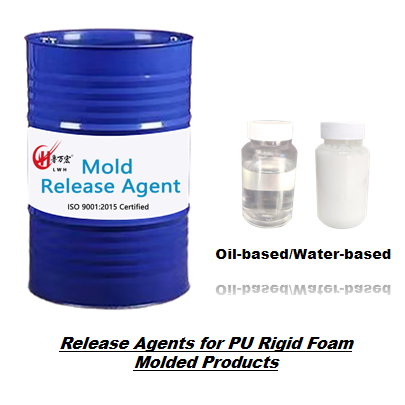
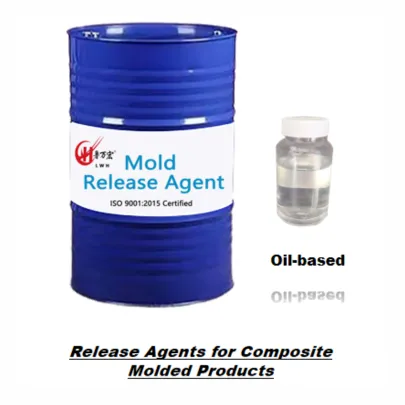
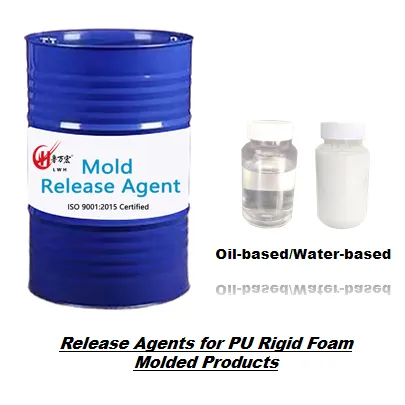
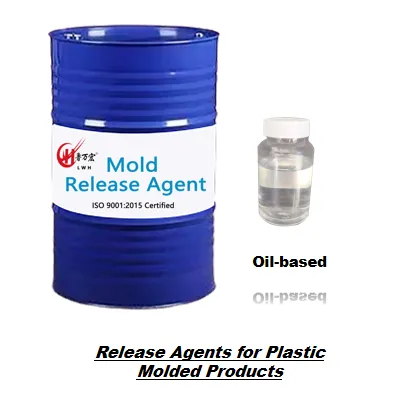
چمکدار مال کے لئے نایلون ریلیز ایجینٹ
چپکنے والے سانچوں کے لیے نائیلون ریلیز ایجنٹ ایک ماہر کیمیکل حل ہے جسے سانچوں میں بننے والے حصوں کو ان کی تیاری کی شکلوں سے آسانی سے علیحدہ کرنے کے لیے تیار کیا گیا ہے۔ یہ جدید فارمولیشن صنعتی مولڈنگ کے عمل میں درپیش مسلسل چیلنجز کا مقابلہ کرتا ہے، جہاں روایتی ریلیز کے طریقے ناکافی ثابت ہوتے ہیں۔ چپکنے والے سانچوں کے لیے نائیلون ریلیز ایجنٹ ایک پیچیدہ مالیکیولر انٹرفیس کے ذریعے کام کرتا ہے جو سانچے کی سطح اور جمنے والی مواد کے درمیان ایک خُرد سطحی رکاوٹ بنا دیتا ہے، جس سے سطحی نقص یا آلودگی کے بغیر صاف حصوں کو نکالا جا سکے۔ اس ریلیز ایجنٹ کا بنیادی مقصد ان چپکنے والی قوتوں کو کم کرنا ہے جو عام طور پر پیچیدہ سانچوں کی ہندسیات میں حصوں کو چپکا دیتی ہیں۔ اس کی ٹیکنالوجیکل فریم ورک میں پولیمر پر مبنی مرکبات شامل ہیں جو مختلف تھرموپلاسٹک اور تھرموسیٹ مواد کے ساتھ بہترین کارکردگی کے لیے خاص طور پر درست کیے گئے ہیں۔ چپکنے والے سانچوں کے لیے نائیلون ریلیز ایجنٹ میں غیر معمولی حرارتی استحکام ہوتا ہے، جو پیداواری ماحول میں عام طور پر درجہ حرارت کی وسیع حد تک مؤثر رہنے کی اجازت دیتا ہے۔ خودرو حصنوں کی تیاری، صارفین کے الیکٹرانکس کے خانوں، طبی آلات کی تیاری، اور درست ٹولنگ کے استعمال سمیت مختلف شعبوں میں یہ حل استعمال کیا جاتا ہے۔ یہ ایجنٹ اپنی مالیکیولر ساخت کی بدولت گہرے تہہ خانوں، انڈرکٹس اور تفصیلی ٹیکسچرنگ والی پیچیدہ سانچے کی سطحوں پر بھی مستقل کوریج فراہم کرتا ہے۔ معیاری کنٹرول میں چکر کے وقت میں کمی، حصوں کے نقص میں کمی، اور سطحی مکمل ہونے کی مسلسل معیاری کارکردگی کے ذریعے فائدہ ہوتا ہے۔ چپکنے والے سانچوں کے لیے نائیلون ریلیز ایجنٹ موجودہ پیداواری ورک فلو میں بغیر کسی وسیع پیمانے پر مشینری کی تبدیلی یا آپریٹر کی دوبارہ تربیت کے ہمواری سے انضمام کرتا ہے۔ ماحولیاتی پہلوؤں کو اس کی تشکیل میں شامل کیا گیا ہے، جس کے نتیجے میں روایتی متبادل کے مقابلے میں فرار ہونے والے عضوی مرکبات (VOCs) کے اخراج میں کمی ہوتی ہے۔ اسٹوریج اور ہینڈلنگ کی خصوصیات عام گودام کی حالت میں مستحکم رہتی ہیں، جس سے میعاد زیادہ ہوتی ہے اور مواد کے ضیاع میں کمی آتی ہے۔ اس کی ٹیکنالوجیکل خصوصیات میں سانچے کی سطحوں پر یکساں تقسیم کو یقینی بنانے والی بہترین ویٹنگ خصوصیات، معیاری سانچے کے مواد کے ساتھ کیمیائی مطابقت، اور طویل پیداواری دورانیے کے دوران حرارتی ٹوٹنے کی مزاحمت شامل ہیں۔

 EN
EN