Premium Rubber Release Agent Solutions - Enhanced Manufacturing Efficiency & Quality

All Categories

rubber release agent

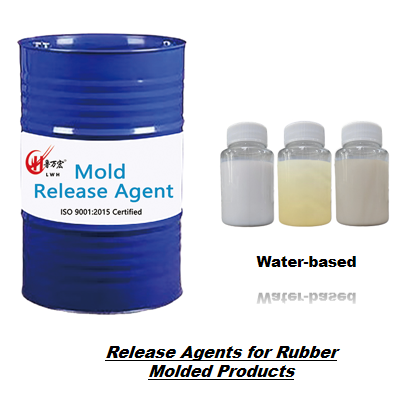
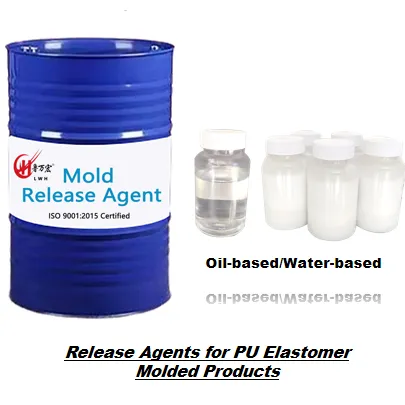
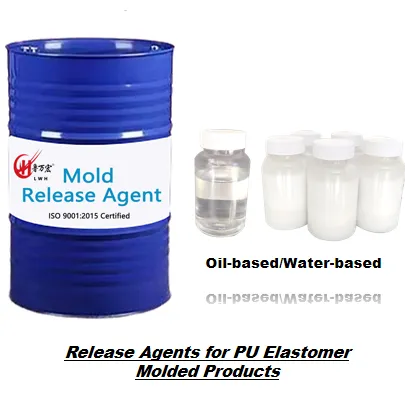
Rubber release agent represents a specialized chemical solution designed to prevent adhesion between rubber materials and various surfaces during manufacturing processes. This essential industrial product serves as a barrier coating that enables smooth separation of rubber components from molds, tools, and equipment without causing damage or surface defects. The rubber release agent functions by creating a thin, uniform layer between contacting surfaces, effectively reducing friction and preventing unwanted bonding during vulcanization, molding, or processing operations. Modern rubber release agents incorporate advanced formulations that maintain effectiveness across diverse temperature ranges and processing conditions. These products typically consist of carefully balanced combinations of silicones, waxes, fluoropolymers, or other specialized compounds that provide superior release properties while maintaining chemical stability. The technological features of rubber release agents include excellent thermal resistance, minimal transfer characteristics, and compatibility with various rubber compounds including natural rubber, synthetic elastomers, and thermoplastic materials. Advanced formulations offer enhanced durability, allowing multiple release cycles from a single application while maintaining consistent performance levels. Many rubber release agents feature low volatile organic compound content, supporting environmental compliance requirements in manufacturing facilities. The versatility of these products extends across numerous industrial applications including tire manufacturing, automotive component production, industrial rubber goods fabrication, and specialized molding operations. In tire production facilities, rubber release agents prevent adhesion between green tires and manufacturing equipment, ensuring smooth processing and consistent product quality. Automotive manufacturers utilize these products during gasket, seal, and component molding processes to achieve precise dimensional tolerances and surface finishes. The food-grade variants of rubber release agents meet stringent safety standards for applications involving food contact surfaces, expanding their utility in food processing equipment manufacturing. Additionally, these agents prove invaluable in laboratory settings for research and development activities involving rubber compound testing and prototype development.

New Product Releases

Rubber release agents deliver substantial operational benefits that directly impact manufacturing efficiency and product quality across industrial applications. These specialized formulations significantly reduce production downtime by eliminating the need for frequent equipment cleaning and maintenance cycles typically required when rubber materials adhere to processing surfaces. Manufacturing facilities experience immediate productivity gains as operators can complete more processing cycles within shorter timeframes, directly translating to increased output and reduced labor costs. The consistent application of rubber release agent prevents surface defects and imperfections that commonly occur when rubber materials stick to molds or equipment, resulting in higher product quality and reduced waste rates. This quality improvement eliminates the need for costly rework processes and reduces material consumption, providing measurable cost savings for production operations. Equipment longevity represents another significant advantage, as rubber release agents protect expensive molds, dies, and processing equipment from wear and damage caused by forceful removal of adhered rubber materials. This protection extends equipment lifespan and reduces replacement costs while maintaining operational efficiency. The temperature stability of modern rubber release agents ensures reliable performance across varying processing conditions, from ambient temperature operations to high-heat vulcanization processes exceeding 200 degrees Celsius. This thermal reliability eliminates production disruptions and maintains consistent release properties throughout extended manufacturing runs. Environmental benefits emerge from reduced solvent usage and lower emission levels compared to traditional release methods, supporting sustainability initiatives while meeting regulatory compliance requirements. Many rubber release agents require minimal application quantities to achieve effective results, making them cost-effective solutions that provide excellent value per application. The ease of application streamlines production workflows, as operators can quickly apply these agents without complex preparation procedures or specialized equipment requirements. Worker safety improves through reduced exposure to harsh chemicals and decreased risk of injuries associated with forceful removal of stuck rubber components. Inventory management becomes more efficient as rubber release agents typically offer extended shelf life and stable storage characteristics, reducing procurement frequency and storage space requirements. Quality control processes become more predictable as consistent release performance eliminates variables that can affect final product specifications and dimensional accuracy.

Tips And Tricks

What Makes Chinese Polyurethane Release Agent a Global Industry Choice?

23

Jul

What Makes Chinese Polyurethane Release Agent a Global Industry Choice?

Innovation and Affordability Drive Global Demand In the realm of industrial manufacturing, efficiency and precision are key elements in ensuring consistent production quality. The Chinese Polyurethane Release Agent has emerged as a pivotal solution t...
View More
Top Benefits of Using Chinese Polyurethane Release Agent in Manufacturing

23

Jul

Top Benefits of Using Chinese Polyurethane Release Agent in Manufacturing

Enhancing Productivity with Advanced Release Solutions In modern industrial manufacturing, efficiency and material performance are fundamental to remaining competitive. One of the essential tools contributing to production efficiency is the use of re...
View More
Can Luwanhong Release Agent Ensure Better Surface Quality?

22

Sep

Can Luwanhong Release Agent Ensure Better Surface Quality?

Advanced Surface Quality Enhancement Through Industrial Release Agents The pursuit of perfect surface quality in manufacturing has long been a critical challenge across industries. Release agents play a fundamental role in achieving smooth, defect-fr...
View More
Top Advantages of Oil Based Release Agent for Manufacturing

27

Oct

Top Advantages of Oil Based Release Agent for Manufacturing

Understanding the Revolutionary Impact of Release Agents in Modern Manufacturing The manufacturing industry continues to evolve with innovative solutions that enhance production efficiency and product quality. Among these innovations, oil based relea...
View More

Get a Free Quote

Our representative will contact you soon.
Email
Name
Company Name
Message
0/1000

rubber release agent

Superior Temperature Resistance and Thermal Stability

Superior Temperature Resistance and Thermal Stability

The exceptional thermal stability of rubber release agent stands as one of its most valuable characteristics, enabling reliable performance across extreme temperature variations encountered in industrial rubber processing. This remarkable temperature resistance allows the rubber release agent to maintain its effectiveness during high-temperature vulcanization processes, where temperatures frequently exceed 180 degrees Celsius for extended periods. Unlike conventional release solutions that may decompose or lose effectiveness under thermal stress, advanced rubber release agent formulations retain their molecular integrity and release properties throughout demanding processing cycles. This thermal resilience proves particularly crucial in tire manufacturing operations, where rubber compounds undergo intensive heating during curing processes. The rubber release agent creates a stable barrier layer that withstands these extreme conditions while preventing unwanted adhesion between rubber materials and metal surfaces. Manufacturing facilities benefit from consistent processing results regardless of temperature fluctuations, eliminating production variables that could compromise product quality or dimensional accuracy. The thermal stability of rubber release agent also extends to low-temperature applications, maintaining flexibility and release properties in environments where other agents might become brittle or ineffective. This versatility enables manufacturers to utilize the same rubber release agent across diverse production lines and seasonal variations without compromising performance standards. Additionally, the thermal resistance characteristics reduce the frequency of reapplication, as the rubber release agent maintains its effectiveness through multiple heating cycles. This durability translates to reduced material consumption and lower operational costs while maintaining superior release performance. The stable thermal properties also contribute to improved workplace safety, as operators face reduced risk of exposure to degradation products or volatile compounds that might be released from less stable formulations under high-temperature conditions. Furthermore, the thermal stability ensures consistent surface finishes on molded rubber products, as the rubber release agent maintains uniform coverage and properties throughout the entire processing cycle, resulting in predictable product quality and reduced reject rates.
Multi-Surface Compatibility and Versatile Application Range

Multi-Surface Compatibility and Versatile Application Range

The outstanding multi-surface compatibility of rubber release agent makes it an indispensable solution for diverse manufacturing environments where various substrate materials require effective release properties. This versatility allows the rubber release agent to perform effectively on metal surfaces including steel, aluminum, and specialized alloys commonly used in mold construction and processing equipment. The unique formulation characteristics enable the rubber release agent to bond effectively with different surface textures and finishes, from highly polished tool surfaces to rougher industrial equipment components. This adaptability eliminates the need for multiple specialized products, simplifying inventory management and reducing procurement complexity for manufacturing facilities. The rubber release agent demonstrates excellent compatibility with various rubber compounds including natural rubber, synthetic elastomers, silicone rubber, and specialized engineering polymers, ensuring consistent release performance regardless of the specific rubber formulation being processed. This broad compatibility proves essential in facilities that process multiple rubber types or frequently change product specifications, as operators can rely on a single rubber release agent solution for diverse applications. The chemical inertness of modern rubber release agent formulations prevents adverse reactions with rubber additives, accelerators, or other processing chemicals, maintaining product integrity while delivering reliable release properties. Manufacturing operations benefit from the ability to apply rubber release agent to complex geometries and intricate mold designs, as the fluid characteristics allow complete coverage of detailed surfaces and tight tolerances. The versatile application methods supported by rubber release agent include spray application, brush coating, and automated dispensing systems, providing flexibility to accommodate different production scales and operational preferences. This adaptability extends to various industries including automotive manufacturing, where rubber release agent facilitates production of gaskets, seals, and vibration dampeners across different vehicle platforms. Aerospace applications benefit from the precision and reliability of rubber release agent in producing critical rubber components that must meet stringent quality and performance standards. The food processing industry utilizes FDA-approved rubber release agent formulations for manufacturing equipment that contacts food products, demonstrating the versatility and safety profile of these specialized solutions across regulated industries.
Enhanced Product Quality and Consistent Surface Finish

Enhanced Product Quality and Consistent Surface Finish

The superior surface quality enhancement capabilities of rubber release agent directly contribute to improved product aesthetics and functional performance across various rubber manufacturing applications. This quality improvement stems from the uniform barrier layer created by rubber release agent, which prevents surface imperfections, texture transfer, and contamination that commonly occur when rubber materials adhere to processing surfaces. The consistent application of rubber release agent ensures that molded rubber products exhibit smooth, defect-free surfaces that meet stringent quality standards without requiring additional finishing operations. This quality enhancement proves particularly valuable in applications where surface appearance directly impacts product value, such as consumer goods, automotive components, and industrial products with visible surfaces. The rubber release agent formulation prevents mold marking and surface blemishes that can compromise product integrity and require costly rework processes. Manufacturing facilities experience significant quality control improvements as the consistent release properties of rubber release agent eliminate variables that might affect dimensional accuracy or surface characteristics. The superior surface finish achieved through proper rubber release agent application reduces the need for secondary operations such as grinding, polishing, or surface treatment, directly reducing production costs and cycle times. This improvement in surface quality also enhances the functional properties of rubber products, as smooth surfaces often exhibit better sealing characteristics, reduced friction, and improved durability in service applications. The consistent surface finish enabled by rubber release agent supports automated quality inspection processes, as products exhibit predictable surface characteristics that facilitate reliable measurement and assessment procedures. Advanced rubber release agent formulations contribute to improved part definition and sharp edge reproduction in complex molded components, ensuring that critical dimensions and features meet design specifications without compromise. The quality enhancement extends to color consistency and appearance uniformity, as the rubber release agent prevents contamination and surface variations that might affect the final product appearance. This consistency proves essential in applications where multiple components must match in appearance or where color variations could indicate quality defects. The enhanced surface quality also improves adhesion characteristics when rubber products require subsequent bonding or coating operations, as clean, uniform surfaces provide optimal preparation for these secondary processes. Additionally, the improved surface quality contributes to longer service life of rubber products by reducing stress concentrations and surface defects that might serve as failure initiation points in demanding applications.

Get a Free Quote

Our representative will contact you soon.
Email
Name
Company Name
Message
0/1000