Premium Mould Release Agent for Rubber - Superior Performance Solutions

All Categories

mould release agent for rubber

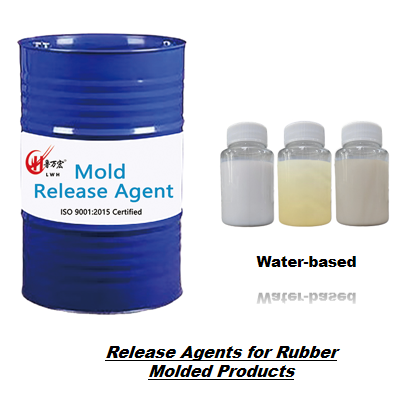
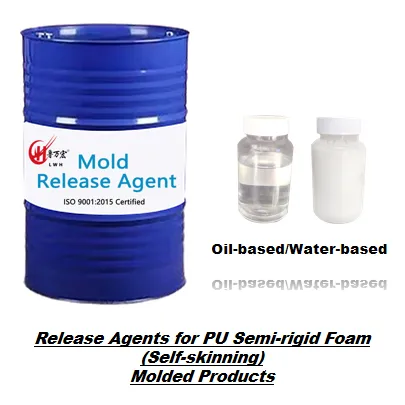
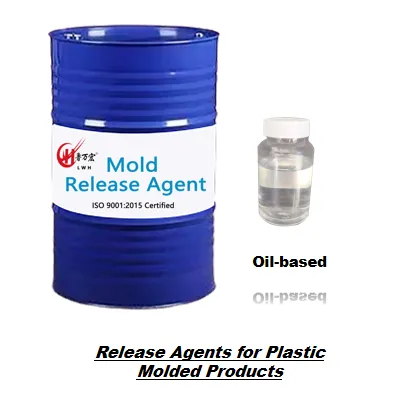
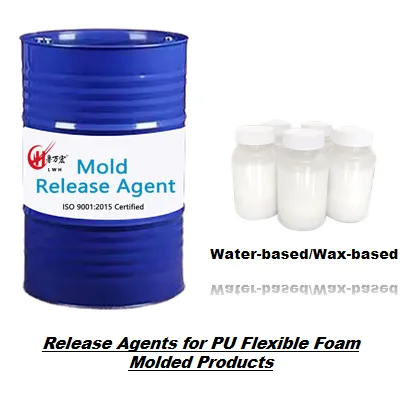
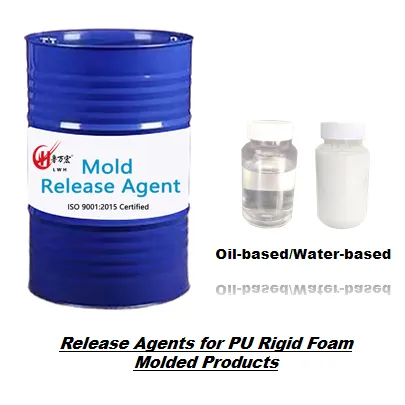
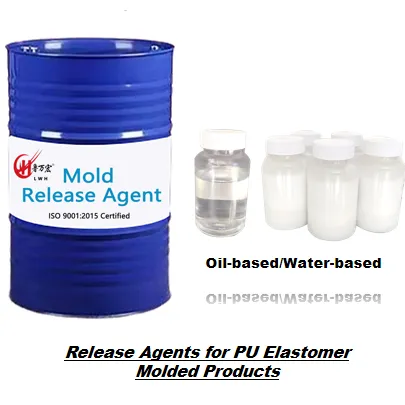
A mould release agent for rubber serves as an essential chemical formulation designed to prevent rubber products from adhering to mould surfaces during the manufacturing process. This specialized coating creates a thin barrier layer between the rubber material and the mould cavity, ensuring smooth demolding operations while maintaining product integrity. The primary function of a mould release agent for rubber involves reducing surface tension and friction between the cured rubber and the mould walls, facilitating effortless product extraction without damage or deformation. Modern mould release agents for rubber incorporate advanced silicone-based or fluoropolymer technologies that provide superior non-stick properties across various temperature ranges. These agents demonstrate exceptional thermal stability, withstanding the high temperatures required for rubber vulcanization processes while maintaining their release characteristics. The technological features of contemporary mould release agents for rubber include excellent wetting properties, enabling uniform distribution across complex mould geometries and intricate surface details. They exhibit remarkable durability, often providing multiple release cycles from a single application, thereby reducing production downtime and increasing manufacturing efficiency. The formulations are engineered to be chemically inert, preventing any adverse reactions with rubber compounds or affecting the final product properties. Applications of mould release agents for rubber span across numerous industries, including automotive component manufacturing, where they facilitate the production of gaskets, seals, and vibration dampeners. In the footwear industry, these agents enable the efficient molding of rubber soles and protective components. Industrial rubber goods manufacturing relies heavily on these release agents for producing conveyor belts, hoses, and mechanical seals. The aerospace sector utilizes specialized mould release agents for rubber to manufacture critical components that demand precise dimensional accuracy and surface finish quality. Medical device manufacturing also depends on high-purity mould release agents for rubber to produce biocompatible products with stringent cleanliness requirements.


New Product Recommendations

The implementation of mould release agents for rubber delivers substantial benefits that directly impact production efficiency and product quality across manufacturing operations. These specialized formulations significantly reduce cycle times by eliminating the need for mechanical force during demolding processes, allowing operators to extract finished products smoothly and quickly. This time-saving advantage translates into increased throughput and higher productivity levels, enabling manufacturers to meet demanding production schedules while maintaining consistent quality standards. The cost-effectiveness of mould release agents for rubber becomes evident through extended mould life and reduced maintenance requirements. By preventing rubber adhesion and subsequent damage during extraction, these agents protect expensive mould surfaces from wear, scratching, and chemical degradation. This protection results in fewer mould repairs and replacements, generating substantial long-term savings for production facilities. Additionally, the reduced need for manual intervention minimizes labor costs and decreases the risk of workplace injuries associated with forceful demolding procedures. Quality enhancement represents another significant advantage of using mould release agents for rubber, as they ensure consistent surface finish and dimensional accuracy across all produced parts. The uniform release properties prevent surface defects, tears, or deformations that commonly occur when rubber adheres to mould surfaces. This consistency eliminates the need for secondary finishing operations, reducing processing steps and associated costs while improving overall product reliability. Environmental benefits emerge from the reduced waste generation and improved material utilization achieved through proper mould release agent application. When rubber products release cleanly from moulds, manufacturers experience lower rejection rates and decreased material waste, contributing to more sustainable production practices. Many modern mould release agents for rubber are formulated with environmentally conscious ingredients, supporting green manufacturing initiatives while maintaining superior performance characteristics. The versatility of these agents allows for application across diverse rubber formulations and processing conditions, providing manufacturers with flexible solutions that adapt to changing production requirements. This adaptability eliminates the need for multiple specialized products, simplifying inventory management and reducing procurement complexity. Furthermore, the improved working conditions created by smoother demolding processes enhance operator satisfaction and safety, as workers face reduced physical strain and exposure to potentially harmful mechanical extraction methods.

Latest News

What Makes Chinese Polyurethane Release Agent a Global Industry Choice?

23

Jul

What Makes Chinese Polyurethane Release Agent a Global Industry Choice?

Innovation and Affordability Drive Global Demand In the realm of industrial manufacturing, efficiency and precision are key elements in ensuring consistent production quality. The Chinese Polyurethane Release Agent has emerged as a pivotal solution t...
View More
How Does Luwanhong Release Agent Improve Production Efficiency?

22

Sep

How Does Luwanhong Release Agent Improve Production Efficiency?

Maximizing Manufacturing Productivity with Advanced Release Agents In today's competitive manufacturing landscape, production efficiency stands as a cornerstone of success. The application of high-quality release agent has emerged as a game-changing ...
View More
Can Oil Based Release Agent Ensure Smooth and Clean Releases?

22

Sep

Can Oil Based Release Agent Ensure Smooth and Clean Releases?

Understanding the Power of Oil Based Release Agents in Modern Construction The construction industry constantly seeks innovative solutions to enhance efficiency and quality in concrete work. Oil based release agents have emerged as a vital component ...
View More
How to Apply PU Flexible Foam Release Agent for Best Results?

27

Oct

How to Apply PU Flexible Foam Release Agent for Best Results?

Mastering the Application of Release Agents in Polyurethane Foam Production The successful production of polyurethane flexible foam products heavily depends on the proper application of release agents. These specialized chemicals play a crucial role ...
View More

Get a Free Quote

Our representative will contact you soon.
Email
Name
Company Name
Message
0/1000

mould release agent for rubber

Superior Temperature Resistance and Thermal Stability

Superior Temperature Resistance and Thermal Stability

The exceptional thermal stability of advanced mould release agents for rubber represents a critical technological breakthrough that addresses the demanding temperature requirements of modern rubber processing operations. These specialized formulations demonstrate remarkable performance characteristics across extreme temperature ranges, typically withstanding continuous exposure to temperatures exceeding 300 degrees Celsius without degradation or loss of release properties. This superior temperature resistance stems from carefully engineered molecular structures that maintain their integrity under the intense heat generated during rubber vulcanization processes. The thermal stability ensures consistent release performance throughout extended production runs, eliminating the variability that can occur with inferior products that break down under high-temperature conditions. Manufacturers benefit significantly from this temperature resistance as it allows for processing of high-temperature rubber compounds without compromising mould release effectiveness. The ability to maintain release properties under extreme thermal stress translates into reliable production outcomes and reduced risk of production interruptions due to release failure. This characteristic proves particularly valuable in automotive and aerospace applications where rubber components must be processed at elevated temperatures to achieve required material properties and performance specifications. The thermal stability also contributes to extended application life, as the mould release agent for rubber retains its effectiveness through multiple heating and cooling cycles without requiring frequent reapplication. This durability reduces production costs by minimizing the frequency of mould preparation procedures and decreasing the consumption of release agent materials. Additionally, the consistent performance under varying temperature conditions ensures that product quality remains uniform regardless of processing parameters, supporting strict quality control requirements in critical applications. The superior temperature resistance eliminates concerns about thermal decomposition products that could contaminate rubber compounds or affect final product properties, making these agents suitable for applications with stringent purity requirements. This reliability in high-temperature environments positions advanced mould release agents for rubber as essential tools for manufacturers seeking to optimize their production processes while maintaining the highest quality standards.
Extended Multi-Cycle Release Performance

Extended Multi-Cycle Release Performance

The extended multi-cycle release performance of modern mould release agents for rubber represents a significant advancement in manufacturing efficiency that directly impacts production economics and operational effectiveness. These innovative formulations are engineered to provide consistent release properties across numerous molding cycles from a single application, often delivering effective performance for 20 to 50 consecutive releases depending on the specific product and processing conditions. This extended durability stems from advanced polymer chemistry that creates durable surface films resistant to mechanical wear and chemical degradation during repeated molding operations. The multi-cycle performance eliminates the need for frequent reapplication between molding cycles, substantially reducing production downtime and associated labor costs while improving overall manufacturing throughput. Manufacturers experience significant time savings as operators can focus on production activities rather than frequent mould preparation procedures, leading to increased productivity and improved resource utilization. The consistency of release performance across multiple cycles ensures uniform product quality and dimensional accuracy throughout extended production runs, supporting stringent quality control requirements and reducing variation in finished products. This reliability proves particularly valuable in high-volume manufacturing environments where production consistency directly impacts profitability and customer satisfaction. The extended performance also contributes to improved inventory management and reduced storage requirements, as manufacturers can maintain lower stock levels of mould release agents for rubber while ensuring adequate supply for production needs. The durability characteristics reduce the frequency of mould cleaning and preparation procedures, extending the operational life of expensive production moulds and reducing maintenance costs. Additionally, the consistent multi-cycle performance supports lean manufacturing principles by minimizing waste and optimizing resource utilization throughout the production process. The ability to maintain effective release properties over extended periods also reduces the environmental impact associated with frequent product application and waste generation. This performance advantage proves especially beneficial in complex moulding applications where frequent access to mould surfaces for reapplication would be difficult or time-consuming, allowing manufacturers to maintain production schedules while ensuring reliable product release.
Chemical Compatibility and Inert Formulation Properties

Chemical Compatibility and Inert Formulation Properties

The chemical compatibility and inert formulation properties of premium mould release agents for rubber establish them as essential solutions for manufacturers requiring absolute assurance that release agents will not interfere with rubber compound chemistry or final product performance characteristics. These sophisticated formulations are meticulously engineered using chemically inert ingredients that demonstrate no reactivity with rubber polymers, accelerators, vulcanizing agents, or other compounding additives commonly used in rubber manufacturing. This chemical neutrality ensures that the mould release agent for rubber functions purely as a physical barrier without participating in chemical reactions that could alter rubber properties or introduce contamination into finished products. The inert nature proves particularly critical in applications where rubber products must meet strict regulatory requirements, such as medical devices, food-contact items, or aerospace components, where any chemical interaction could compromise product safety or performance. Manufacturers benefit from this chemical compatibility through improved product consistency and predictable processing outcomes, as the release agent does not introduce variables that could affect vulcanization kinetics or final material properties. The formulation stability ensures that release performance remains consistent regardless of the specific rubber compound being processed, providing versatility across diverse product lines and manufacturing requirements. This compatibility extends to various mould materials, including steel, aluminum, and specialized coatings, ensuring that the mould release agent for rubber performs effectively across different production equipment configurations. The chemical inertness also contributes to extended shelf life and storage stability, as these formulations resist degradation and maintain their effectiveness over time when properly stored. Additionally, the non-reactive nature simplifies quality control procedures by eliminating concerns about chemical interactions that could affect analytical testing or product certification processes. The purity of these formulations supports clean manufacturing practices and reduces the risk of contamination in sensitive applications where product purity is paramount. This chemical compatibility advantage enables manufacturers to implement mould release agents for rubber with confidence, knowing that product quality and performance specifications will be maintained while achieving the operational benefits of improved release characteristics and manufacturing efficiency.

Get a Free Quote

Our representative will contact you soon.
Email
Name
Company Name
Message
0/1000