
 EN
EN
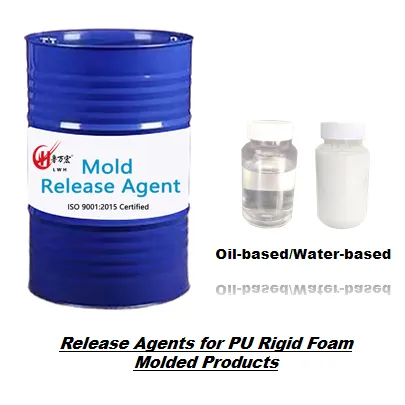
The manufacturing of polyurethane foam parts relies heavily on effective mold release solutions that prevent adhesion during the production process. However, the selection and application of release agents significantly influences subsequent post-processing operations, particularly when components require adhesive bonding or surface coating applications. Understanding how different formulations affect downstream manufacturing steps is crucial for maintaining product quality and operational efficiency in modern foam production facilities.
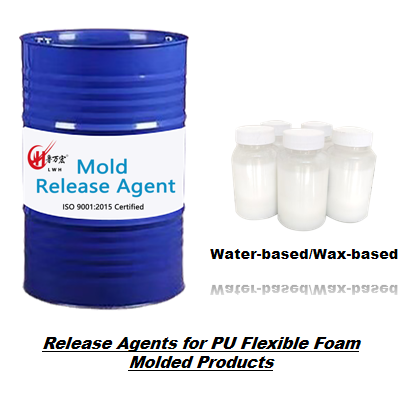
Modern industrial applications demand polyurethane foam components that seamlessly integrate into complex assemblies through reliable adhesive bonds and durable surface finishes. The choice of release agents during the molding process creates a foundation that either supports or hinders these critical post-processing requirements. Manufacturers must carefully balance immediate production needs with long-term assembly and finishing objectives to achieve optimal results across their entire manufacturing workflow.
The chemical composition of release agents directly impacts surface energy characteristics, residual contamination levels, and interfacial properties of molded parts. These factors become paramount when foam components undergo secondary operations such as structural bonding, decorative coating, or protective finishing. Advanced manufacturing facilities recognize that release agent selection represents a strategic decision that influences multiple downstream processes rather than simply facilitating part removal from production tooling.
Chemical Interactions Between Release Agents and Surface Adhesion
Molecular Structure Impact on Bonding Properties
The molecular architecture of release agents creates specific surface characteristics that persist after demolding operations. Silicone-based formulations typically leave microscopic residual films that reduce surface energy and create barriers to effective adhesive wetting. These molecular layers can significantly compromise bond strength in structural applications where high-performance adhesives require intimate contact with substrate surfaces. Understanding these interactions allows manufacturers to select appropriate release agents based on intended end-use requirements.
Water-based release agents generally provide superior cleanability and reduced interference with subsequent bonding operations compared to their solvent-based counterparts. The hydrophilic nature of these formulations enables more complete removal through standard cleaning protocols, resulting in surfaces that accept adhesives more readily. However, the effectiveness of water-based systems may vary depending on the specific polyurethane chemistry and molding conditions employed in production processes.
Residual Contamination and Surface Preparation Requirements
Residual contamination from release agents represents one of the most significant challenges in post-processing operations. Even trace amounts of certain formulations can create weak boundary layers that compromise adhesive performance and coating durability. Advanced analytical techniques such as contact angle measurement and surface energy analysis help quantify contamination levels and guide appropriate surface preparation strategies for critical applications.
Effective contamination removal often requires multi-step cleaning processes that balance thoroughness with cost efficiency. Solvent cleaning, plasma treatment, and mechanical abrasion each offer specific advantages depending on the release agent chemistry and substrate characteristics. Manufacturers must develop standardized protocols that consistently achieve target surface conditions while maintaining reasonable processing times and material costs throughout their production operations.
Adhesive Compatibility Considerations in Foam Assembly
Structural Bonding Performance Factors
Structural adhesives used in foam assembly applications exhibit varying sensitivity to release agents depending on their chemical formulation and curing mechanisms. Epoxy systems typically demonstrate greater tolerance to minor surface contamination compared to acrylic or urethane-based adhesives. However, even robust formulations may experience reduced performance when exposed to certain silicone compounds that migrate to substrate surfaces during storage or handling operations.
The development of specialized low-interference release agents has addressed many compatibility concerns in critical bonding applications. These advanced formulations minimize residual deposits while maintaining effective release properties during molding operations. Manufacturers working with high-strength structural requirements often specify these premium products to ensure consistent adhesive performance across production batches and varying environmental conditions.
Adhesive Selection and Application Protocols
Adhesive selection must account for potential interactions with residual release agent compounds that may remain on foam surfaces. Primer systems can provide additional insurance against contamination-related bond failures by creating chemical bridges between substrates and structural adhesives. These intermediate layers often incorporate coupling agents that neutralize surface contaminants while promoting adhesion to both foam materials and applied adhesives.
Application protocols should include verification testing to confirm adequate surface preparation and adhesive compatibility. Simple peel tests or small-scale bond strength evaluations can identify potential issues before full-scale assembly operations commence. Regular monitoring helps maintain consistent quality levels and provides early warning of process variations that might affect final product performance in service applications.
Paint and Coating Adhesion Optimization
Surface Energy Modification Techniques
Paint and coating adhesion depends critically on achieving appropriate surface energy levels that promote wetting and interfacial bonding. Release agents can significantly alter these characteristics by creating low-energy surfaces that resist coating adhesion. Surface modification techniques such as corona treatment, flame polishing, or chemical etching help restore optimal surface conditions for paint application while removing residual contamination from molding operations.
The effectiveness of surface modification depends on both the release agent chemistry and the specific coating system requirements. Water-based coatings generally demonstrate better tolerance to minor surface contamination compared to solvent-based formulations. However, achieving consistent results across large production volumes requires careful control of surface preparation parameters and regular validation of coating adhesion performance through standardized test methods.
Coating System Selection and Performance Validation
Modern coating systems offer improved tolerance to substrate variations through advanced adhesion promoters and primer technologies. These formulations can accommodate minor levels of release agent contamination while still achieving acceptable performance in most applications. However, critical components requiring maximum durability may necessitate more aggressive surface preparation or specialized coating systems designed for challenging substrate conditions.
Performance validation protocols should evaluate both initial adhesion strength and long-term durability under relevant service conditions. Accelerated weathering tests, thermal cycling, and chemical resistance evaluations help predict coating performance over extended service periods. These assessments guide both release agent selection and surface preparation requirements for specific application demands throughout the product development process.
Process Optimization Strategies for Enhanced Post-Processing
Integrated Manufacturing Approach
Successful optimization requires an integrated approach that considers molding, release agent application, and post-processing requirements as interconnected elements of a unified manufacturing system. This holistic perspective enables manufacturers to identify trade-offs and develop solutions that optimize overall process efficiency rather than individual operation segments. Advanced planning software can model these interactions and predict optimal parameter combinations for complex production scenarios.
Cross-functional teams involving molding, assembly, and finishing personnel help ensure that release agent decisions support downstream operations effectively. Regular communication and feedback loops between departments enable continuous improvement and rapid problem resolution when process variations affect post-processing quality. This collaborative approach often reveals opportunities for simultaneous improvements across multiple manufacturing steps.
Quality Control and Process Monitoring
Effective quality control systems monitor critical parameters throughout the entire manufacturing sequence to ensure consistent post-processing performance. Surface contamination measurements, adhesive bond strength testing, and coating adhesion evaluations provide quantitative feedback on process effectiveness. Statistical process control methods help identify trends and variations before they impact final product quality or customer satisfaction levels.
Automated monitoring systems can track release agent application rates, cleaning effectiveness, and surface preparation consistency across production shifts. Real-time data collection enables rapid response to process variations and supports continuous improvement initiatives. Advanced facilities often integrate these monitoring capabilities with production planning systems to optimize scheduling and resource allocation based on quality requirements and processing constraints.
Economic Impact Assessment and Cost Optimization
Total Cost of Ownership Analysis
Economic evaluation of release agents must consider impacts beyond immediate molding operations to include post-processing costs and quality implications. Premium release agents with superior cleanability may justify higher initial costs through reduced surface preparation requirements and improved adhesive performance. Comprehensive cost modeling helps manufacturers identify optimal solutions that minimize total manufacturing expenses while maintaining required quality standards across all production steps.
Labor costs associated with surface cleaning and preparation often represent significant portions of total post-processing expenses. Release agents that minimize these requirements can provide substantial economic benefits through reduced processing time and material consumption. Additionally, improved process consistency reduces rework rates and warranty costs associated with adhesive or coating failures in service applications.
Return on Investment Calculations
Investment in advanced release agent technologies typically generates returns through multiple mechanisms including reduced processing time, improved yield rates, and enhanced product durability. Quantifying these benefits requires detailed analysis of current costs and projected improvements across relevant manufacturing operations. Financial models should account for both direct cost savings and indirect benefits such as improved customer satisfaction and reduced liability exposure.
Long-term economic benefits often exceed initial investment costs when manufacturers implement comprehensive optimization programs. Reduced warranty claims, improved production efficiency, and enhanced product performance create ongoing value that compounds over time. Strategic planning approaches help maximize these returns by aligning release agent selection with broader business objectives and market requirements for manufactured products.
Future Trends and Technology Developments
Advanced Release Agent Formulations
Emerging release agent technologies focus on achieving superior release performance while minimizing impact on post-processing operations. Bio-based formulations offer environmental advantages and often demonstrate excellent compatibility with modern adhesive and coating systems. These advanced products frequently incorporate smart chemistry that provides effective release during molding but degrades or becomes inactive after demolding to minimize interference with subsequent operations.
Nanotechnology applications in release agent development promise enhanced performance through precisely controlled surface interactions at molecular levels. These innovations may enable unprecedented control over surface characteristics and contamination levels. Early research suggests potential for programmable surface properties that adapt to specific post-processing requirements while maintaining reliable release performance during production operations.
Digital Integration and Smart Manufacturing
Digital manufacturing technologies enable sophisticated control and optimization of release agent applications based on real-time feedback from post-processing operations. Machine learning algorithms can identify optimal parameter combinations for specific product requirements and automatically adjust application rates or formulations to maintain target performance levels. These capabilities support mass customization while ensuring consistent quality across diverse product specifications and manufacturing conditions.
Internet of Things connectivity allows comprehensive monitoring and control of release agent performance across multiple manufacturing locations. Cloud-based data analysis can identify best practices and optimization opportunities that might not be apparent at individual facility levels. This networked approach accelerates improvement initiatives and ensures consistent performance standards across global manufacturing operations for multinational organizations.
FAQ
How do release agents affect adhesive bond strength in foam assemblies
Release agents can significantly reduce adhesive bond strength by creating barrier layers and reducing surface energy on foam substrates. Silicone-based formulations typically have the greatest impact, while water-based systems generally cause less interference. Proper surface preparation including cleaning, plasma treatment, or primer application can restore adequate bonding performance in most applications requiring structural adhesives.
What surface preparation methods work best after using release agents
Effective surface preparation typically involves solvent cleaning followed by mechanical or chemical treatment depending on the release agent type and application requirements. Water-based release agents often require only thorough cleaning with appropriate solvents, while silicone-based systems may need plasma treatment or chemical etching. Contact angle measurements help verify adequate surface preparation before proceeding with adhesive or coating applications.
Can special release agents eliminate post-processing contamination issues
Advanced low-interference release agents minimize but rarely eliminate all contamination concerns in critical applications. These specialized formulations significantly reduce residual deposits and surface energy changes compared to conventional products. However, sensitive applications may still require surface preparation to achieve optimal adhesive or coating performance, though the required processing intensity is typically reduced substantially.
How should manufacturers select release agents for multi-step processing
Release agent selection should consider the entire manufacturing sequence including molding requirements, cleaning capabilities, and final performance specifications. Manufacturers should evaluate samples under actual production conditions including post-processing operations to verify compatibility. Cost analysis must include downstream processing impacts rather than focusing solely on release agent price to identify optimal solutions for specific manufacturing requirements.
Table of Contents
- Chemical Interactions Between Release Agents and Surface Adhesion
- Adhesive Compatibility Considerations in Foam Assembly
- Paint and Coating Adhesion Optimization
- Process Optimization Strategies for Enhanced Post-Processing
- Economic Impact Assessment and Cost Optimization
- Future Trends and Technology Developments
- FAQ