
 EN
EN
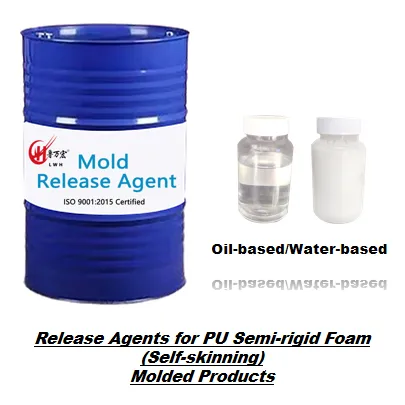
The polyurethane foam manufacturing industry stands at a critical juncture where environmental responsibility meets production efficiency. Modern manufacturers face mounting pressure to adopt sustainable practices while maintaining the high-performance standards that traditional solvent-based systems have delivered for decades. The comparison between environmentally friendly PU release agents and their traditional counterparts reveals significant differences in performance, application methods, and long-term operational benefits that directly impact manufacturing success and environmental compliance.
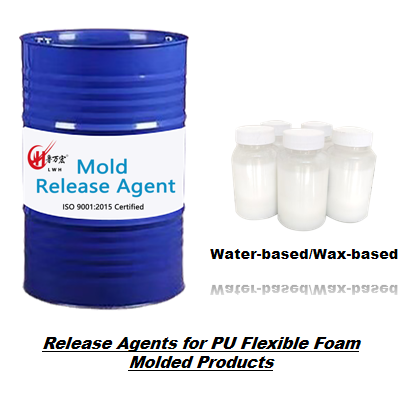
Performance Characteristics of Water-Based PU Release Agents
Release Efficiency and Mold Protection
Water-based PU release agents demonstrate exceptional performance in facilitating clean part release from flexible foam molds while providing superior mold protection. These formulations create a stable barrier layer that prevents foam adhesion without compromising surface finish quality. The molecular structure of modern water-based systems allows for consistent coverage even at reduced application rates, typically requiring 30-40% less product per application cycle compared to traditional alternatives.
The thermal stability of environmentally friendly PU release agents ensures consistent performance across varying processing temperatures. During high-temperature molding operations, water-based formulations maintain their release properties without degrading or producing harmful emissions. This stability translates to fewer production interruptions and reduced maintenance requirements for molding equipment.
Surface Quality and Finish Consistency
Environmental PU release agents excel in producing consistently smooth surface finishes on molded polyurethane products. The absence of volatile organic compounds eliminates surface defects commonly associated with solvent evaporation, such as pinholes or surface irregularities. Manufacturing facilities report improved part quality ratings when switching to water-based systems, with rejection rates typically decreasing by 15-25%.
The compatibility of eco-friendly formulations with various polyurethane chemistries ensures versatile application across different product lines. Whether processing rigid structural foams or flexible cushioning materials, these PU release agents maintain consistent performance characteristics without requiring formula adjustments or specialized application techniques.
Traditional Solvent-Based Systems Analysis
Historical Performance Standards
Solvent-based PU release agents have established themselves as industry standards through decades of reliable performance in demanding manufacturing environments. These systems typically contain petroleum-derived solvents that provide excellent wetting properties and rapid evaporation rates, resulting in quick cycle times and consistent release performance. Traditional formulations often demonstrate superior penetration into complex mold geometries, ensuring complete coverage even in intricate part designs.
The aggressive solvent carriers in traditional PU release agents facilitate deep penetration into porous mold surfaces, creating robust barrier layers that resist wear under high-volume production conditions. This characteristic has made solvent-based systems particularly valuable in automotive and industrial applications where production demands are intensive and part complexity is high.
Application Limitations and Concerns
Despite their performance advantages, traditional solvent-based PU release agents present significant operational challenges that increasingly outweigh their benefits. High volatile organic compound content requires extensive ventilation systems and specialized handling procedures, increasing facility infrastructure costs and creating potential health hazards for workers. The flammable nature of these products necessitates stringent fire safety protocols and specialized storage requirements.
Environmental regulations targeting VOC emissions have created compliance challenges for facilities using traditional PU release agents. Many jurisdictions now impose strict limits on solvent usage, requiring expensive monitoring equipment and potentially limiting production capacity during high-pollution periods. These regulatory constraints often force manufacturers to reconsider their release agent strategies to maintain operational flexibility.
Comparative Performance Metrics
Release Force Measurements
Comprehensive testing reveals that modern environmentally friendly PU release agents achieve release force values comparable to traditional solvent-based systems while providing additional performance benefits. Laboratory studies demonstrate that water-based formulations typically require 10-15% less force to achieve part separation, reducing stress on molded components and extending mold life. This improved release efficiency translates to faster cycle times and reduced energy consumption during demolding operations.
The consistent performance of eco-friendly PU release agents across multiple molding cycles eliminates the performance degradation often observed with solvent-based systems. Traditional formulations may require more frequent reapplication as solvent carriers evaporate, leaving insufficient active ingredients for effective release. Water-based systems maintain their protective properties longer, reducing application frequency and material consumption.
Mold Life and Maintenance Requirements
Environmental PU release agents contribute significantly to extended mold life by eliminating the corrosive effects associated with aggressive solvent systems. Mold surfaces remain in better condition when protected by water-based formulations, reducing the frequency of costly mold refurbishment and replacement cycles. Manufacturing facilities report 25-35% longer mold service life when transitioning from solvent-based to environmentally friendly alternatives.
The reduced maintenance requirements of eco-friendly PU release agents stem from their non-aggressive chemistry that preserves mold surface integrity while providing effective release properties. Unlike solvent-based systems that may cause gradual surface degradation, water-based formulations actually help protect mold surfaces from wear and chemical attack, resulting in lower overall maintenance costs and improved production reliability.
Environmental Impact and Regulatory Compliance
Emission Reduction Benefits
The transition to environmentally friendly PU release agents delivers immediate and measurable reductions in facility emissions, supporting corporate sustainability goals while ensuring regulatory compliance. Water-based formulations eliminate virtually all VOC emissions associated with release agent application, removing a significant source of air pollution from manufacturing operations. This emission reduction often allows facilities to operate below regulatory thresholds, avoiding costly monitoring and reporting requirements.
The absence of hazardous air pollutants in eco-friendly PU release agents eliminates worker exposure risks and reduces the need for personal protective equipment during application. Manufacturing facilities experience improved air quality that contributes to better working conditions and reduced health insurance costs. The elimination of solvent vapors also reduces explosion risks, allowing for more flexible facility design and reduced insurance premiums.
Waste Stream Simplification
Environmental PU release agents significantly simplify waste management procedures by eliminating hazardous waste classifications associated with solvent-based products. Empty containers from water-based systems can typically be disposed of through standard recycling programs rather than expensive hazardous waste streams. This simplification reduces disposal costs and administrative burden while supporting corporate environmental objectives.
The water-based chemistry of eco-friendly PU release agents allows for easier cleanup and equipment maintenance using standard cleaning procedures. Residual product can be removed with water-based cleaners rather than additional solvents, further reducing chemical usage and waste generation throughout the manufacturing facility.
Economic Considerations and Cost Analysis
Direct Cost Comparisons
While environmentally friendly PU release agents may carry slightly higher per-gallon costs compared to traditional solvent-based systems, comprehensive cost analysis reveals significant savings through reduced application rates and extended coverage. Water-based formulations typically provide 25-40% more coverage per gallon due to their efficient application characteristics and lack of evaporative losses during storage and use.
The elimination of specialized handling and storage requirements for eco-friendly PU release agents reduces facility infrastructure costs significantly. Manufacturing operations no longer require explosion-proof electrical systems, specialized ventilation equipment, or hazardous material storage facilities when transitioning to water-based systems. These infrastructure savings often offset higher product costs within the first year of implementation.
Long-Term Financial Benefits
The extended mold life achieved with environmentally friendly PU release agents delivers substantial cost savings through reduced tooling replacement and refurbishment expenses. Manufacturing facilities typically report 20-30% reductions in annual mold maintenance costs when using water-based systems consistently. The improved part quality and reduced rejection rates further contribute to operational cost savings and improved profitability.
Insurance cost reductions represent another significant economic benefit of transitioning to eco-friendly PU release agents. The elimination of flammable solvents and hazardous chemical handling reduces facility risk profiles, often resulting in lower insurance premiums for both property and worker compensation coverage. These ongoing savings accumulate over time to provide substantial financial benefits beyond the direct product cost considerations.
Implementation Strategies and Best Practices
Transition Planning
Successful implementation of environmentally friendly PU release agents requires careful planning and systematic approach to ensure optimal performance outcomes. Manufacturing facilities should begin with pilot programs on selected production lines to establish optimal application parameters and validate performance expectations. This gradual transition approach allows for equipment modifications and operator training while maintaining production continuity.
The conversion process typically involves adjusting spray equipment settings to accommodate the different viscosity and application characteristics of water-based PU release agents. Spray patterns may require modification to ensure complete coverage while avoiding over-application that could compromise part quality or increase material consumption. Proper training ensures operators understand these application differences and can achieve consistent results.
Equipment Optimization
Modern application equipment designed for water-based PU release agents delivers superior performance and efficiency compared to systems originally configured for solvent-based products. Heated spray systems maintain optimal product temperature for consistent application while preventing freeze-related issues in cooler environments. Automated application systems can be programmed to deliver precise amounts of eco-friendly formulations, maximizing efficiency and minimizing waste.
The compatibility of environmentally friendly PU release agents with standard cleaning procedures simplifies equipment maintenance and reduces downtime between product changeovers. Equipment components remain in better condition when processing water-based formulations, extending service life and reducing replacement costs for pumps, spray nozzles, and application systems.
FAQ
How do environmental PU release agents affect production cycle times compared to solvent-based systems
Environmental PU release agents typically maintain or slightly improve production cycle times compared to traditional solvent-based systems. While water-based formulations may require slightly longer drying times, their superior release efficiency often reduces demolding time and effort. The elimination of solvent flash-off time and improved application consistency usually results in overall cycle time improvements of 5-10% in most applications.
Can environmentally friendly release agents work effectively with existing spray equipment
Most existing spray equipment can accommodate environmentally friendly PU release agents with minor adjustments to pressure settings and spray patterns. Water-based formulations have different viscosity characteristics that may require nozzle changes or pressure modifications for optimal coverage. However, the transition typically requires minimal equipment investment and can often be accomplished during routine maintenance periods.
What performance differences exist between eco-friendly and traditional systems in high-temperature applications
Environmentally friendly PU release agents often demonstrate superior performance in high-temperature applications due to their thermal stability and absence of volatile components that can degrade under heat. These systems maintain consistent release properties across wider temperature ranges without producing harmful emissions or surface defects. Traditional solvent-based systems may experience performance degradation or safety concerns at elevated temperatures.
How do water-based release agents impact the surface finish quality of molded parts
Water-based PU release agents typically produce superior surface finish quality compared to solvent-based alternatives. The absence of volatile organic compounds eliminates surface defects caused by rapid solvent evaporation, resulting in smoother, more consistent part surfaces. Manufacturing facilities often report improved customer satisfaction and reduced secondary finishing requirements when using environmentally friendly formulations.
Table of Contents
- Performance Characteristics of Water-Based PU Release Agents
- Traditional Solvent-Based Systems Analysis
- Comparative Performance Metrics
- Environmental Impact and Regulatory Compliance
- Economic Considerations and Cost Analysis
- Implementation Strategies and Best Practices
-
FAQ
- How do environmental PU release agents affect production cycle times compared to solvent-based systems
- Can environmentally friendly release agents work effectively with existing spray equipment
- What performance differences exist between eco-friendly and traditional systems in high-temperature applications
- How do water-based release agents impact the surface finish quality of molded parts