
 EN
EN

In modern industrial manufacturing, release agents play a crucial role in ensuring smooth production processes and maintaining product quality across various applications. These specialized chemical formulations serve as protective barriers between materials and molds, preventing unwanted adhesion and enabling efficient demolding operations. The importance of release agents extends far beyond simple separation, as they directly impact production efficiency, product surface quality, and overall manufacturing costs in industries ranging from automotive to aerospace.
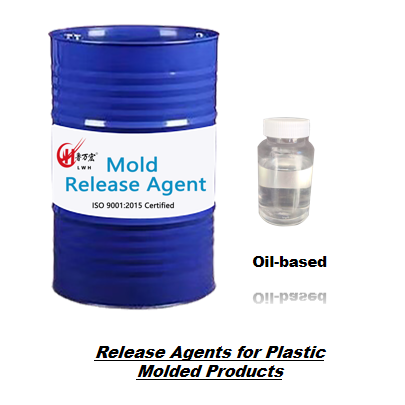
The strategic application of release agents has become indispensable in today's competitive manufacturing landscape, where precision, consistency, and cost-effectiveness determine market success. Understanding the fundamental principles and applications of these chemical solutions enables manufacturers to optimize their production processes, reduce waste, and achieve superior product finishes that meet increasingly demanding quality standards.
Understanding the Fundamental Role of Release Agents
Chemical Composition and Working Mechanisms
Release agents function through sophisticated chemical mechanisms that create a molecular barrier between the substrate and the molding surface. These formulations typically contain active ingredients such as silicones, waxes, fatty acids, or fluoropolymers, each designed to provide specific release characteristics. The molecular structure of release agents allows them to form a thin, uniform layer that reduces surface energy and prevents chemical bonding between materials during manufacturing processes.
The effectiveness of release agents depends on their ability to migrate to the interface between surfaces, creating a lubricating film that facilitates easy separation. Advanced release agents incorporate multiple active components that work synergistically to provide both immediate release properties and long-term durability. This complex chemistry ensures consistent performance across varying temperature ranges, pressure conditions, and material combinations commonly encountered in industrial applications.
Classification and Types of Release Systems
Industrial release agents can be broadly categorized into internal and external systems, each offering distinct advantages for specific applications. Internal release agents are incorporated directly into the material formulation, providing inherent release properties throughout the bulk material. This approach ensures consistent release performance but may affect material properties and requires careful formulation adjustments to maintain product specifications.
External release agents are applied directly to mold surfaces, offering greater flexibility and control over release properties. These systems include sacrificial agents that transfer to the molded part and semi-permanent agents that remain on the mold surface for multiple cycles. The choice between different release agents depends on factors such as production volume, part complexity, surface finish requirements, and cost considerations.
Applications Across Manufacturing Industries
Plastic and Polymer Processing
In the plastics industry, release agents are essential for successful injection molding, compression molding, and thermoforming operations. These processes involve high temperatures and pressures that can cause polymer materials to adhere strongly to metal mold surfaces, making part removal difficult or impossible without proper release systems. The application of release agents ensures clean part separation while maintaining dimensional accuracy and surface quality specifications.
Modern plastic manufacturing relies heavily on release agents to achieve complex geometries and intricate surface details that would otherwise be compromised during demolding. The selection of appropriate release agents for plastic applications must consider factors such as polymer type, processing temperature, mold material, and desired surface characteristics. Advanced release agents for plastics often incorporate additives that enhance flow properties, reduce cycle times, and improve overall production efficiency.
Composite Manufacturing and Advanced Materials
The production of fiber-reinforced composites presents unique challenges that require specialized release agents capable of withstanding high temperatures and aggressive chemical environments. Composite manufacturing processes such as resin transfer molding, vacuum infusion, and autoclave curing rely on release agents to prevent permanent bonding between the composite part and the tooling surface. These applications demand release agents with exceptional thermal stability and chemical resistance.
In aerospace and automotive composite manufacturing, release agents must meet stringent quality requirements while providing consistent performance across multiple production cycles. The choice of release agents for composite applications often involves considerations of outgassing properties, contamination potential, and compatibility with various resin systems. High-performance release agents for composites typically feature low volatile content and excellent high-temperature stability to ensure reliable performance in demanding manufacturing environments.
Performance Benefits and Economic Impact
Production Efficiency and Cycle Time Optimization
The implementation of effective release agents significantly improves production efficiency by reducing cycle times and minimizing processing delays. When parts release cleanly from molds without sticking or requiring excessive force, manufacturers can maintain consistent production schedules and achieve higher throughput rates. This efficiency gain translates directly into reduced manufacturing costs and improved profitability across various industrial applications.
Modern release agents are formulated to provide multiple release cycles from a single application, further enhancing production efficiency. Semi-permanent release agents can provide reliable performance for hundreds of molding cycles, reducing the need for frequent reapplication and associated downtime. This extended performance capability allows manufacturers to optimize their production processes while maintaining consistent product quality throughout extended production runs.
Quality Enhancement and Defect Reduction
The use of appropriate release agents plays a critical role in maintaining product quality by preventing surface defects, dimensional variations, and cosmetic imperfections. When parts stick to mold surfaces, the forceful removal process can cause scratches, deformation, or incomplete filling patterns that compromise product appearance and functionality. Release agents eliminate these quality issues by ensuring clean, consistent part separation with minimal mechanical stress.
Quality control in manufacturing processes benefits significantly from the consistent performance provided by properly selected release agents. These formulations help maintain tight dimensional tolerances, smooth surface finishes, and uniform part characteristics across entire production runs. The reduction in defective parts and rework requirements represents substantial cost savings while improving customer satisfaction and brand reputation in competitive markets.
Selection Criteria and Application Guidelines
Material Compatibility and Chemical Considerations
Selecting the optimal release agents for specific applications requires careful consideration of material compatibility, processing conditions, and performance requirements. The chemical composition of both the molded material and the release agent must be compatible to prevent adverse reactions, contamination, or performance degradation. This compatibility assessment involves evaluating factors such as thermal stability, chemical resistance, and potential interactions between different formulation components.
Advanced release agents are formulated with specific substrate materials in mind, ensuring optimal performance for particular polymer types, composite resins, or metal alloys. The selection process should also consider downstream operations such as painting, bonding, or secondary processing that may be affected by residual release agent components. Comprehensive compatibility testing helps identify the most suitable release agents for specific manufacturing applications while avoiding potential quality issues.
Environmental and Safety Considerations
Modern manufacturing increasingly emphasizes environmental responsibility and worker safety, driving the development of low-VOC and environmentally friendly release agents. These advanced formulations provide excellent performance while minimizing environmental impact and reducing exposure risks for manufacturing personnel. The selection of environmentally conscious release agents supports corporate sustainability goals while maintaining production efficiency and product quality standards.
Safety considerations in release agents selection include factors such as flammability, toxicity, and handling requirements. Water-based release agents offer improved safety profiles compared to solvent-based alternatives, reducing fire hazards and improving workplace air quality. The implementation of safer release agents contributes to overall manufacturing safety while potentially reducing regulatory compliance costs and insurance requirements.
Future Trends and Technological Developments
Smart Release Systems and Advanced Formulations
The evolution of release agents technology continues to advance with the development of smart release systems that adapt to varying processing conditions and provide enhanced performance characteristics. These next-generation formulations incorporate advanced additives and nano-scale components that improve release efficiency while offering additional benefits such as mold protection, extended service life, and reduced environmental impact.
Research and development in release agents focuses on creating multifunctional formulations that provide release properties alongside other valuable characteristics such as antistatic properties, UV protection, or antimicrobial activity. These advanced systems enable manufacturers to simplify their processing operations while achieving superior product performance and quality standards. The integration of smart materials and responsive chemistry promises to revolutionize release agent applications across various industries.
Sustainable Manufacturing and Green Chemistry
The future of release agents development increasingly emphasizes sustainable manufacturing practices and green chemistry principles. Bio-based release agents derived from renewable resources offer promising alternatives to traditional petroleum-based formulations while maintaining or improving performance characteristics. These sustainable solutions align with corporate environmental goals and regulatory requirements while providing effective release performance for demanding industrial applications.
Innovation in sustainable release agents includes the development of biodegradable formulations, reduced packaging waste, and energy-efficient manufacturing processes. These advances support the broader transition toward circular economy principles in manufacturing while ensuring that release agents continue to meet the performance requirements of modern industrial processes. The adoption of sustainable release agents represents a significant opportunity for manufacturers to reduce their environmental footprint while maintaining competitive advantage.
FAQ
What factors should be considered when selecting release agents for high-temperature applications
High-temperature applications require release agents with exceptional thermal stability and low volatility to maintain effectiveness under extreme processing conditions. Key considerations include the maximum operating temperature, duration of heat exposure, and compatibility with substrate materials. Silicone-based and fluoropolymer release agents typically offer superior high-temperature performance, while the selection should also account for potential decomposition products and their impact on part quality and worker safety.
How do release agents affect the surface properties of molded parts
Release agents can significantly influence surface properties such as gloss level, texture, and chemical compatibility for subsequent processing operations. The type and amount of release agent used directly affects surface energy, which impacts paint adhesion, bonding capabilities, and overall appearance. Proper selection and application of release agents ensures optimal surface characteristics while maintaining effective release performance throughout production cycles.
What are the environmental benefits of using water-based release agents
Water-based release agents offer substantial environmental advantages including reduced volatile organic compound emissions, lower flammability risks, and improved workplace air quality. These formulations typically have minimal environmental impact during disposal and reduce the need for specialized ventilation systems in manufacturing facilities. Additionally, water-based release agents often provide easier cleanup procedures and reduced regulatory compliance requirements compared to solvent-based alternatives.
How can manufacturers optimize release agents application for maximum efficiency
Optimization of release agents application involves proper surface preparation, consistent application techniques, and regular monitoring of performance parameters. Automated application systems ensure uniform coverage while minimizing waste and reducing labor costs. Regular evaluation of release performance, cycle times, and part quality helps identify opportunities for improvement and ensures that release agents continue to provide optimal performance throughout their service life.
Table of Contents
- Understanding the Fundamental Role of Release Agents
- Applications Across Manufacturing Industries
- Performance Benefits and Economic Impact
- Selection Criteria and Application Guidelines
- Future Trends and Technological Developments
-
FAQ
- What factors should be considered when selecting release agents for high-temperature applications
- How do release agents affect the surface properties of molded parts
- What are the environmental benefits of using water-based release agents
- How can manufacturers optimize release agents application for maximum efficiency