
 EN
EN
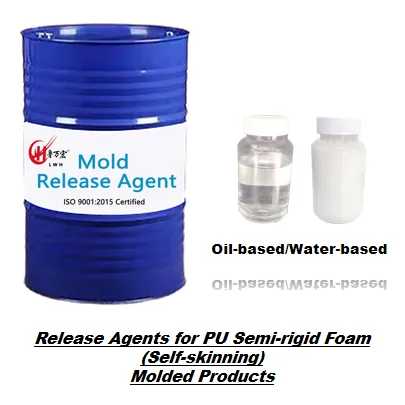
The polyurethane manufacturing industry faces constant pressure to optimize production efficiency while maintaining product quality. One critical factor that significantly impacts both operational costs and manufacturing success is the effective use of PU release agent formulations. These specialized chemical compounds serve as the barrier between molded products and mold surfaces, preventing adhesion and facilitating smooth product removal. Understanding how the right PU release agent can dramatically extend mold life while reducing overall production costs has become essential for manufacturers seeking competitive advantages in today's demanding market.
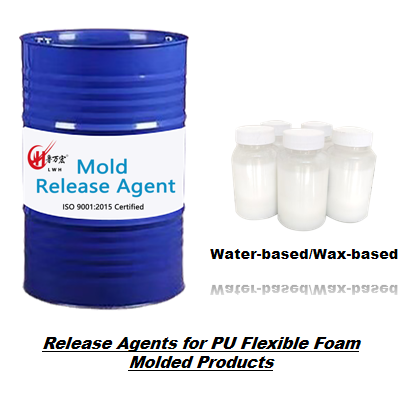
Understanding PU Release Agent Technology and Applications
Chemical Composition and Performance Characteristics
Modern PU release agent formulations incorporate advanced chemical technologies designed to provide optimal release properties while protecting mold surfaces. These agents typically contain silicone-based compounds, fluoropolymers, or specialized wax systems that create a thin, uniform barrier layer. The molecular structure of an effective PU release agent ensures minimal transfer to the final product while maintaining excellent thermal stability throughout the molding process. Temperature resistance becomes particularly crucial when working with reactive polyurethane systems that generate significant heat during curing.
The performance characteristics of a quality PU release agent extend beyond simple release properties. These formulations must demonstrate consistent film formation, excellent adhesion to mold surfaces, and resistance to chemical degradation from polyurethane precursors. Advanced formulations also incorporate anti-static properties and UV stability to ensure consistent performance across diverse manufacturing environments. The selection of appropriate base chemistry directly influences both immediate release performance and long-term mold protection capabilities.
Application Methods and Coverage Optimization
Proper application technique significantly influences the effectiveness of any PU release agent system. Spray application remains the most common method, offering uniform coverage and efficient material usage when properly executed. The application process requires careful attention to spray pressure, nozzle selection, and coverage patterns to achieve optimal film thickness. Excessive application can lead to product defects, while insufficient coverage may result in sticking and potential mold damage.
Coverage optimization involves understanding the relationship between mold geometry, surface finish, and PU release agent requirements. Complex mold designs with deep draws or intricate details may require modified application techniques or specialized formulations. The thermal mass of the mold also influences optimal application timing and curing requirements. Manufacturers must develop standardized procedures that account for these variables while maintaining consistent coverage quality across production runs.
Mold Life Extension Through Strategic Release Agent Selection
Surface Protection Mechanisms
The protective capabilities of a well-selected PU release agent extend far beyond facilitating product removal. These formulations create a sacrificial barrier layer that absorbs the mechanical stress and chemical exposure associated with repeated molding cycles. The barrier prevents direct contact between reactive polyurethane systems and mold surfaces, significantly reducing the potential for chemical etching, surface degradation, and microscopic wear patterns that accumulate over time.
Surface protection mechanisms vary depending on the specific chemistry employed in the PU release agent formulation. Silicone-based systems provide excellent thermal stability and chemical resistance, while fluoropolymer formulations offer superior non-stick properties and durability. The selection process must consider the specific polyurethane chemistry, mold materials, and operating conditions to achieve optimal protection. Regular assessment of mold surface condition helps validate the effectiveness of the chosen protection strategy.
Reducing Mechanical Wear and Chemical Attack
Mechanical wear represents one of the primary factors limiting mold service life in polyurethane manufacturing operations. Each demolding cycle subjects mold surfaces to friction, impact forces, and potential scoring from product removal tools. A properly formulated PU release agent significantly reduces these mechanical stresses by ensuring clean, effortless product separation. The lubricating properties of quality release agents minimize the force required for product removal, thereby reducing cumulative wear on critical mold surfaces.
Chemical attack from reactive polyurethane systems poses another significant threat to mold longevity. Isocyanates and polyols can react with certain mold materials, leading to surface degradation and dimensional changes that compromise product quality. Effective PU release agent formulations provide a chemically inert barrier that prevents these aggressive chemicals from contacting mold surfaces. The selection of appropriate barrier chemistry ensures long-term compatibility with both the polyurethane system and mold materials.
Cost Reduction Strategies and Economic Benefits
Direct Cost Savings Through Reduced Mold Maintenance
The economic benefits of implementing an optimized PU release agent program become evident through reduced mold maintenance requirements and extended service intervals. Traditional maintenance activities such as polishing, refinishing, and surface treatments can be significantly reduced when effective release agents protect mold surfaces from wear and contamination. The cumulative time savings from reduced maintenance translates directly into increased production capacity and lower labor costs.
Quantifying maintenance cost reductions requires careful tracking of mold service intervals, repair frequencies, and associated downtime costs. Manufacturing operations typically observe substantial improvements in these metrics following the implementation of optimized PU release agent programs. The reduction in emergency repairs and unscheduled maintenance events provides additional cost benefits through improved production scheduling reliability and reduced inventory requirements for replacement parts.
Production Efficiency and Quality Improvements
Beyond direct maintenance savings, effective PU release agent selection contributes to overall production efficiency through improved cycle times and reduced scrap rates. Clean, consistent product release eliminates the delays associated with stuck parts, manual assistance during demolding, and rework operations. These efficiency improvements compound over high-volume production runs, generating significant cost advantages.
Quality improvements represent another important economic benefit of optimized PU release agent programs. Consistent release performance reduces surface defects, dimensional variations, and aesthetic issues that can lead to product rejection or secondary processing requirements. The improved first-pass yield rates contribute to lower overall production costs while enhancing customer satisfaction. Advanced PU release agent formulations also enable the production of parts with superior surface finishes that may command premium pricing in certain market segments.
Selection Criteria for Optimal PU Release Agent Performance
Compatibility Assessment with Polyurethane Systems
Selecting the optimal PU release agent requires comprehensive evaluation of compatibility factors that influence both immediate performance and long-term results. The chemical compatibility between release agent components and polyurethane precursors represents a critical selection criterion. Incompatible systems may result in surface defects, cure inhibition, or premature release agent degradation that compromises protection effectiveness.
Compatibility assessment involves laboratory testing under conditions that simulate actual production environments. This testing should evaluate release performance, surface quality, cure characteristics, and long-term stability across the expected range of operating conditions. The assessment process must also consider potential interactions with other process chemicals such as catalysts, surfactants, and flame retardants that may be present in the polyurethane formulation.
Environmental and Safety Considerations
Modern manufacturing operations increasingly prioritize environmental sustainability and worker safety in chemical selection processes. PU release agent formulations must meet stringent regulatory requirements while providing effective performance characteristics. Low-VOC formulations reduce environmental impact and improve workplace conditions, while water-based systems eliminate many of the health and safety concerns associated with solvent-based alternatives.
Safety considerations extend beyond the immediate application environment to include storage, handling, and disposal requirements. Comprehensive safety data sheets provide essential information for developing appropriate handling procedures and emergency response protocols. The total cost of ownership calculation should include compliance costs, waste disposal fees, and any special handling equipment required for safe application of the PU release agent system.
Implementation Best Practices and Quality Control
Process Development and Standardization
Successful implementation of an optimized PU release agent program requires systematic process development and rigorous standardization procedures. The development process should establish specific application parameters, coverage requirements, and quality control checkpoints that ensure consistent results across all production shifts and operators. Standardization eliminates the variability that can compromise both product quality and mold protection effectiveness.
Process development activities should include comprehensive documentation of application procedures, equipment specifications, and troubleshooting guidelines. Training programs ensure that all operators understand proper PU release agent handling techniques and can identify potential issues before they impact production. Regular process audits verify adherence to established procedures and identify opportunities for continuous improvement.
Monitoring and Performance Evaluation Systems
Effective quality control systems provide real-time feedback on PU release agent performance and enable proactive adjustments to maintain optimal results. Key performance indicators should include release effectiveness, product surface quality, mold condition assessment, and application efficiency metrics. Regular monitoring identifies trends that may indicate the need for process adjustments or formulation modifications.
Performance evaluation systems should incorporate both quantitative measurements and qualitative assessments to provide comprehensive insight into system effectiveness. Automated monitoring equipment can track application parameters and coverage uniformity, while visual inspection protocols ensure that surface quality standards are maintained. The data collected through these monitoring systems supports continuous improvement initiatives and validates the economic benefits of the PU release agent program.
FAQ
How frequently should PU release agent be applied to molds
The application frequency for PU release agent depends on several factors including mold surface condition, polyurethane chemistry, production volume, and specific formulation characteristics. Most operations find that high-quality PU release agent formulations provide effective performance for multiple cycles, typically ranging from 10 to 50 parts depending on complexity and operating conditions. Regular monitoring of release performance and surface quality helps determine optimal reapplication intervals for specific production requirements.
Can PU release agents cause defects in molded products
Properly selected and applied PU release agent formulations should not cause defects in molded polyurethane products. However, excessive application, incompatible chemistry, or contaminated formulations can result in surface defects, poor adhesion in subsequent operations, or dimensional variations. Careful selection based on compatibility testing and adherence to recommended application procedures minimizes the risk of product defects while ensuring effective mold protection.
What is the typical cost savings from implementing optimized PU release agent programs
Cost savings from optimized PU release agent programs vary significantly based on production volume, mold complexity, and current maintenance practices. Typical operations report maintenance cost reductions of 20-40% along with productivity improvements of 5-15% through reduced cycle times and improved yield rates. The total economic benefit often justifies premium PU release agent formulations through extended mold life and reduced total cost of ownership.
How do environmental regulations impact PU release agent selection
Environmental regulations significantly influence PU release agent selection through restrictions on volatile organic compounds, hazardous air pollutants, and waste disposal requirements. Modern formulations increasingly utilize water-based systems or low-VOC alternatives that meet stringent environmental standards while maintaining effective performance. Compliance with environmental regulations requires careful evaluation of product formulations, application methods, and waste management procedures to ensure sustainable manufacturing practices.