Professional Nylon Mold Release Agent: Superior Performance for Industrial Manufacturing

All Categories

nylon mold release agent

Nylon mold release agent represents a specialized chemical formulation designed specifically to facilitate the seamless removal of nylon components from manufacturing molds. This essential industrial product serves as a crucial intermediary between the mold surface and the nylon material, preventing adhesion and ensuring clean demolding processes. The primary function of nylon mold release agent involves creating a thin, protective barrier that allows manufactured parts to separate effortlessly from their molds without damage or surface imperfections. Modern nylon mold release agents incorporate advanced chemical technologies that provide superior performance across various manufacturing environments. These formulations typically contain carefully balanced combinations of synthetic polymers, surfactants, and specialized additives that work synergistically to deliver optimal release properties. The technological features of contemporary nylon mold release agents include excellent thermal stability, allowing them to maintain effectiveness even under high-temperature processing conditions common in nylon manufacturing. Many formulations also exhibit remarkable chemical resistance, ensuring consistent performance when exposed to various industrial chemicals and processing aids. The application scope of nylon mold release agent extends across multiple industries, including automotive manufacturing, where precision nylon components require flawless surface finishes. Electronics manufacturing relies heavily on these agents for producing intricate nylon housings and connectors. The textile industry utilizes nylon mold release agents in creating specialized nylon fibers and fabrics through molding processes. Additionally, consumer goods manufacturing employs these agents for producing nylon kitchen utensils, sporting goods, and various household items. The versatility of nylon mold release agent makes it indispensable in injection molding, compression molding, and transfer molding applications. Professional manufacturers appreciate how these agents contribute to increased production efficiency, reduced waste, and improved product quality, making them essential components in modern nylon manufacturing operations.

New Products

The advantages of nylon mold release agent extend far beyond simple demolding assistance, offering manufacturers comprehensive solutions that directly impact their bottom line and operational efficiency. One of the most significant benefits lies in the dramatic reduction of production downtime. When nylon parts stick to molds, manufacturers face costly delays while technicians work to remove stuck components, often requiring extensive cleaning and potential mold repairs. Nylon mold release agent eliminates these interruptions by ensuring consistent, effortless part removal with every production cycle. This reliability translates into predictable manufacturing schedules and improved customer satisfaction through timely deliveries. The economic advantages become even more apparent when considering the extended mold life that nylon mold release agent provides. Without proper release agents, repeated forced removal of stuck parts causes microscopic damage to mold surfaces, leading to premature wear and expensive replacements. By protecting mold surfaces from direct contact with nylon materials, these agents preserve intricate details and maintain dimensional accuracy throughout thousands of production cycles. Quality improvements represent another compelling advantage of using nylon mold release agent. Parts removed cleanly from molds exhibit superior surface finishes, eliminating the need for secondary finishing operations that add time and cost to production. The consistent application of nylon mold release agent ensures uniform surface quality across entire production runs, reducing reject rates and material waste. Environmental benefits also play an increasingly important role in modern manufacturing decisions. Many contemporary nylon mold release agents feature environmentally friendly formulations that reduce volatile organic compound emissions while maintaining superior performance characteristics. These eco-conscious products help manufacturers comply with stringent environmental regulations while contributing to healthier workplace conditions for employees. Operational flexibility represents yet another advantage, as modern nylon mold release agents work effectively across wide temperature ranges and with various nylon formulations. This versatility allows manufacturers to use single products across multiple production lines, simplifying inventory management and reducing training requirements for operators. The ease of application further enhances these advantages, with many nylon mold release agents available in convenient spray formulations that ensure uniform coverage with minimal waste.

Latest News

Top Benefits of Using Chinese Polyurethane Release Agent in Manufacturing

23

Jul

Top Benefits of Using Chinese Polyurethane Release Agent in Manufacturing

Enhancing Productivity with Advanced Release Solutions In modern industrial manufacturing, efficiency and material performance are fundamental to remaining competitive. One of the essential tools contributing to production efficiency is the use of re...
View More
What Makes an FRP Release Agent Ideal for Composite Molding?

27

Aug

What Makes an FRP Release Agent Ideal for Composite Molding?

Understanding the Critical Role of Release Agents in FRP Manufacturing In the world of composite manufacturing, FRP release agents play an indispensable role in ensuring successful molding operations. These specialized chemical formulations create a ...
View More
How Do FRP Release Agents Affect Surface Smoothness and Gloss?

27

Aug

How Do FRP Release Agents Affect Surface Smoothness and Gloss?

Understanding the Impact of Release Agents on FRP Surface Quality The surface quality of fiber reinforced polymer (FRP) composites plays a crucial role in both aesthetics and performance. FRP release agents are fundamental components in the manufactu...
View More
Can Oil Based Release Agent Ensure Smooth and Clean Releases?

22

Sep

Can Oil Based Release Agent Ensure Smooth and Clean Releases?

Understanding the Power of Oil Based Release Agents in Modern Construction The construction industry constantly seeks innovative solutions to enhance efficiency and quality in concrete work. Oil based release agents have emerged as a vital component ...
View More

Get a Free Quote

Our representative will contact you soon.
Email
Name
Company Name
Message
0/1000

nylon mold release agent

Superior Thermal Performance and Chemical Resistance

Superior Thermal Performance and Chemical Resistance

The exceptional thermal performance of nylon mold release agent stands as one of its most valuable characteristics, addressing the unique challenges posed by high-temperature nylon processing conditions. Unlike conventional release agents that may break down or lose effectiveness when exposed to elevated temperatures, advanced nylon mold release agent formulations maintain their protective properties even under extreme thermal stress. This thermal stability proves crucial in injection molding applications where nylon materials are processed at temperatures ranging from 250 to 300 degrees Celsius. The molecular structure of premium nylon mold release agents incorporates heat-resistant polymeric chains that remain intact under these demanding conditions, ensuring consistent release performance throughout extended production runs. The chemical resistance properties of nylon mold release agent provide additional protection against the various additives and processing aids commonly used in nylon manufacturing. Many nylon formulations contain flame retardants, UV stabilizers, and reinforcing agents that can interact aggressively with inferior release products. High-quality nylon mold release agents resist chemical degradation from these substances, maintaining their effectiveness and preventing contamination of the final products. This chemical inertness also prevents unwanted reactions that could compromise the physical properties or appearance of molded nylon components. The combination of thermal and chemical resistance translates into remarkable longevity for mold treatments, reducing the frequency of reapplication and minimizing production interruptions. Manufacturers benefit from consistent performance across multiple molding cycles, with some premium nylon mold release agent formulations providing effective release properties for hundreds of parts before requiring reapplication. This durability not only reduces material costs but also minimizes labor requirements for mold maintenance, contributing to overall operational efficiency. Furthermore, the stability of these agents under challenging conditions prevents the formation of residues or deposits that could affect part quality or mold performance over time.
Enhanced Production Efficiency and Cost Reduction

Enhanced Production Efficiency and Cost Reduction

The implementation of nylon mold release agent delivers measurable improvements in production efficiency that directly translate to significant cost savings across manufacturing operations. The primary mechanism through which these efficiency gains occur involves the elimination of time-consuming part removal procedures that plague manufacturers using inadequate or no release agents. When nylon components adhere to mold surfaces, production teams must halt operations to address stuck parts, often requiring mechanical intervention, heating, or chemical treatments to achieve removal. These interruptions can extend cycle times by several minutes per part, creating bottlenecks that reduce overall throughput and increase per-unit production costs. Nylon mold release agent eliminates these delays by ensuring parts release cleanly with each cycle, maintaining consistent production rhythms that maximize equipment utilization. The cost reduction benefits extend beyond time savings to encompass material waste reduction, equipment preservation, and quality improvements. Without effective release agents, manufacturers often experience higher reject rates due to parts damaged during difficult removal processes. These damaged components represent direct material losses while also consuming production capacity without generating saleable products. Nylon mold release agent prevents such losses by facilitating gentle part removal that preserves surface finishes and dimensional accuracy. Equipment preservation represents another significant cost advantage, as forced part removal can damage expensive mold tooling through scoring, chipping, or thermal stress. The protective barrier created by nylon mold release agent shields mold surfaces from direct contact with processed materials, preventing wear and extending tool life substantially. This protection proves particularly valuable for complex molds featuring intricate details or precision surfaces that would be costly to repair or replace. Labor cost reductions also contribute to the overall economic benefits, as operators spend less time on part removal and mold maintenance activities. The simplified demolding process allows workers to focus on value-adding activities while maintaining higher safety standards through reduced manual intervention requirements.
Versatile Application Methods and Environmental Compliance

Versatile Application Methods and Environmental Compliance

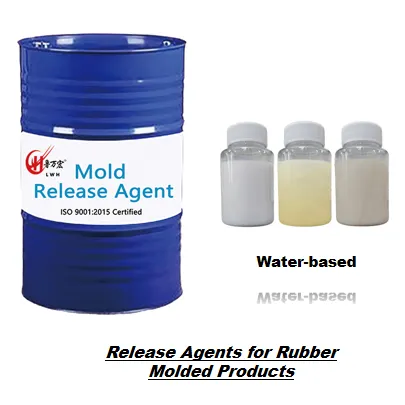
The versatility of modern nylon mold release agent application methods represents a significant advancement that accommodates diverse manufacturing environments and operational preferences while maintaining consistent performance standards. Traditional application approaches often limited manufacturers to single methods that might not suit all production scenarios, but contemporary nylon mold release agent formulations offer multiple application options including spray systems, brush-on applications, and automated dispensing methods. Spray application represents the most popular method due to its efficiency and uniform coverage capabilities. Advanced aerosol formulations of nylon mold release agent provide controlled particle sizes that ensure even distribution across complex mold geometries, reaching into deep cavities and around intricate features that manual application methods might miss. The spray application also minimizes waste by delivering precise amounts of product exactly where needed, reducing material consumption while maintaining optimal performance. For high-volume production environments, automated spray systems can be integrated into production lines to apply nylon mold release agent consistently without operator intervention, further enhancing efficiency and reducing labor costs. Brush-on applications offer superior control for specialized situations requiring precise placement or varying film thicknesses. This method proves particularly valuable when working with large molds or situations where overspray must be avoided. The viscosity of brush-applicable nylon mold release agent formulations allows for controlled spreading that builds appropriate film thickness while avoiding runs or pooling that could affect part quality. Environmental compliance has become increasingly important in manufacturing operations, and modern nylon mold release agent formulations address these concerns through innovative chemistry that reduces environmental impact without compromising performance. Many contemporary products feature low volatile organic compound content, helping manufacturers meet stringent air quality regulations while creating healthier work environments for employees. Water-based formulations provide additional environmental benefits by eliminating or reducing organic solvents traditionally used in release agent production. These eco-friendly options maintain the thermal stability and release properties essential for nylon processing while contributing to corporate sustainability goals and regulatory compliance requirements.

Get a Free Quote

Our representative will contact you soon.
Email
Name
Company Name
Message
0/1000