ម៉ាស៊ីនដែលប្រើសម្រាប់ចំណុចក្រាមនៅលើនៅលើកញ្ចក់
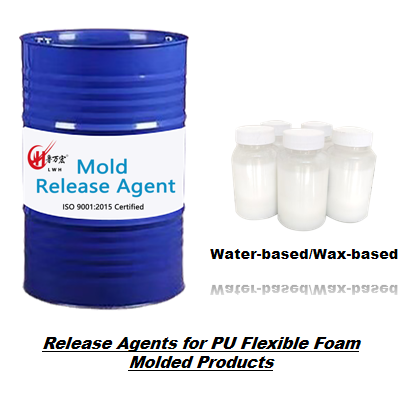
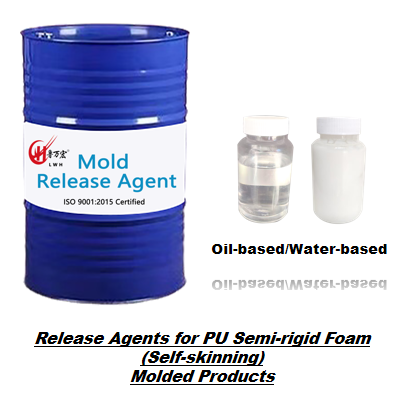
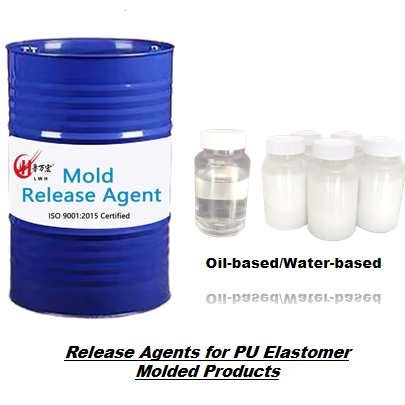
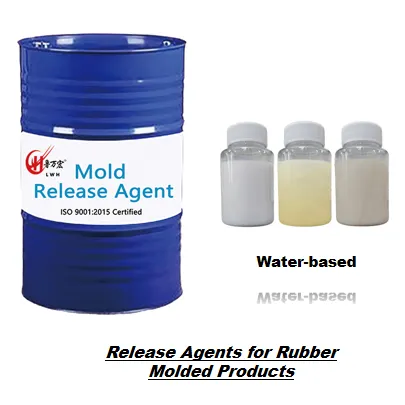
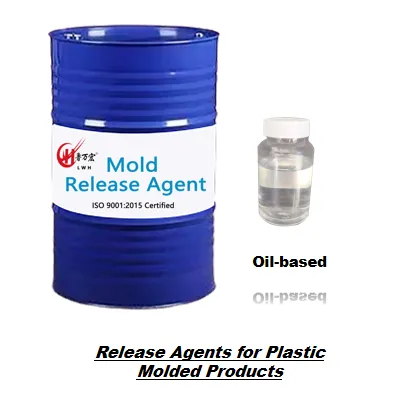
ភ្នាល់ចាក់សំពាធនីឡុងគឺជាសារធាតុគីមីពិសេសដែលត្រូវបានរចនាឡើងយ៉ាងពិសេស ដើម្បីជួយក្នុងការដកគ្រឿងផ្សំនីឡុងចេញពីគ្រែចាក់ដោយស្រួល។ ផលិតផលឧស្សាហកម្មសំខាន់នេះ ដែលធ្វើអន្តរការីរវាងផ្ទៃគ្រែចាក់ និងសម្ភារៈនីឡុង ដើម្បីបង្ការការបិទភ្ជាប់ ហើយធានាថាដំណើរការដកគ្រឿងចេញពីគ្រែមានភាពស្អាត។ មុខងារសំខាន់របស់ភ្នាល់ចាក់សំពាធនីឡុងគឺការបង្កើតជាស្រទាប់ថ្នាំការពារស្តើង ដែលអនុញ្ញាតឱ្យគ្រឿងផលិតចេញដោយងាយស្រួលពីគ្រែ ដោយគ្មានការខូចខាត ឬខ្វះខាតផ្ទៃ។ ភ្នាល់ចាក់សំពាធនីឡុងទំនើបៗ ប្រើប្រាស់បច្ចេកវិទ្យាគីមីទំនើប ដែលផ្តល់សមត្ថភាពខ្ពស់ក្នុងបរិស្ថានផលិតកម្មផ្សេងៗ។ សារធាតុទាំងនេះភាគច្រើនមានការរួមបញ្ចូលគ្នាយ៉ាងប្រុងប្រយ័ត្ននៃប៉ូលីមែរសំយោគ សារធាតុធ្វើឱ្យរាវ និងគ្រឿងបន្ថែមពិសេសផ្សេងៗ ដែលធ្វើការរួមគ្នាដើម្បីផ្តល់នូវលក្ខណៈចាក់សំពាធដ៏ល្អបំផុត។ លក្ខណៈបច្ចេកទេសរបស់ភ្នាល់ចាក់សំពាធនីឡុងសម័យទំនើប រួមមានស្ថេរភាពកំដៅខ្ពស់ ដែលអនុញ្ញាតឱ្យវាមានប្រសិទ្ធភាពនៅក្រោមលក្ខខណ្ឌកំដៅខ្ពស់ ដែលជាទូទៅកើតមានក្នុងដំណើរការផលិតនីឡុង។ សារធាតុភាគច្រើនក៏បង្ហាញពីសមត្ថភាពធន់នឹងសារធាតុគីមីដ៏អស្ចារ្យ ដែលធានាបាននូវប្រសិទ្ធភាពស្ថិរភាព នៅពេលបានប៉ះពាល់ជាមួយសារធាតុគីមីឧស្សាហកម្ម និងជំនួយការផលិតផ្សេងៗ។ វិសាលភាពនៃការប្រើប្រាស់ភ្នាល់ចាក់សំពាធនីឡុង ពង្រីកទៅកាន់ឧស្សាហកម្មជាច្រើន រួមទាំងការផលិតរថយន្ត ដែលគ្រឿងផ្សំនីឡុងដែលត្រូវការភាពរលោងដ៏ឥតខ្ចោះ។ ឧស្សាហកម្មផលិតគ្រឿងអេឡិចត្រូនិកពឹងផ្អែកខ្លាំងលើភ្នាល់ទាំងនេះ សម្រាប់ផលិតផ្ទះអំពូល និងចោកតភ្ជាប់នីឡុងដែលមានភាពស្មុគស្មាញ។ ឧស្សាហកម្មវាយនភ័ណ្ឌប្រើប្រាស់ភ្នាល់ចាក់សំពាធនីឡុង ក្នុងការបង្កើតអំបែបនីឡុង និងក្រណាត់ពិសេសតាមរយៈដំណើរការចាក់។ លើសពីនេះ ការផលិតទំនិញប្រើប្រាស់ប្រចាំថ្ងៃក៏ប្រើប្រាស់ភ្នាល់ទាំងនេះ សម្រាប់ផលិតគ្រឿងបរិក្ខារគ្រួសារ គ្រឿងប្រើប្រាស់ក្នុងផ្ទះបាយ និងផលិតផលកីឡាផ្សេងៗ។ ភាពឆ្លាតវៃរបស់ភ្នាល់ចាក់សំពាធនីឡុង ធ្វើឱ្យវាមានសារៈសំខាន់ខាងការចាក់បញ្ចូល ការចាក់ដោយបង្ហាប់ និងការចាក់ផ្ទេរ។ ក្រុមហ៊ុនផលិតដែលមានជំនាញ ចូលចិត្តការពិតដែលភ្នាល់ទាំងនេះជួយបង្កើនប្រសិទ្ធភាពផលិតកម្ម កាត់បន្ថយការខាតបង់ និងកែលម្អគុណភាពផលិតផល ដែលធ្វើឱ្យវាក្លាយជាធាតុចាំបាច់ក្នុងប្រតិបត្តិការផលិតនីឡុងទំនើប។

 EN
EN