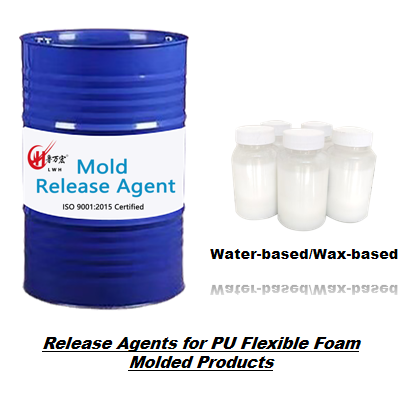
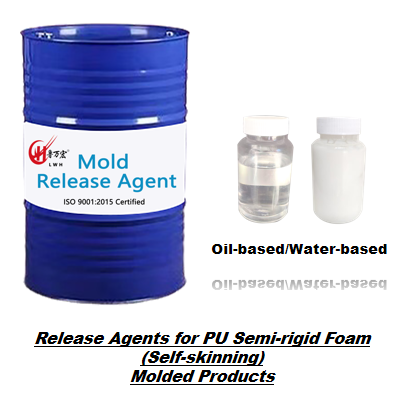
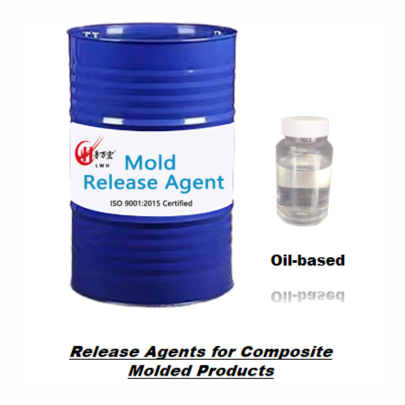
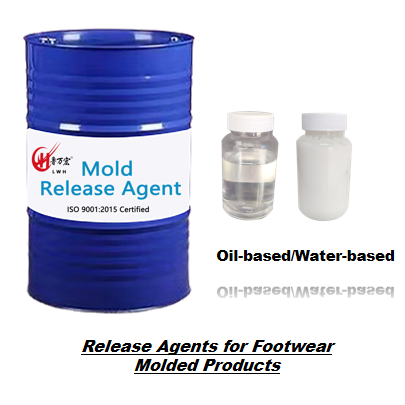
Premium Polyvinyl Alcohol Mold Release - Advanced Manufacturing Solution for Superior Part Separation

All Categories

polyvinyl alcohol mold release

Polyvinyl alcohol mold release represents a cutting-edge solution in the manufacturing industry, specifically designed to facilitate the easy removal of molded products from their forming surfaces. This specialized release agent consists of polyvinyl alcohol polymer compounds that create an effective barrier between the mold and the final product. The primary function of polyvinyl alcohol mold release involves preventing adhesion between the molding material and the mold surface, ensuring clean separation without damage to either component. This innovative release system operates through molecular-level interaction, where the polyvinyl alcohol forms a thin, uniform film that reduces surface tension and eliminates sticking points. The technological features of polyvinyl alcohol mold release include excellent film-forming properties, superior thermal stability, and remarkable chemical resistance. These characteristics make it suitable for various molding processes including injection molding, compression molding, and thermoforming applications. The release agent demonstrates exceptional performance across different temperature ranges, maintaining its effectiveness even under extreme processing conditions. Industries utilizing polyvinyl alcohol mold release span automotive manufacturing, aerospace components, consumer electronics, medical device production, and architectural materials. In automotive applications, this release agent ensures precise molding of interior components, dashboard elements, and exterior trim pieces. Aerospace manufacturers rely on polyvinyl alcohol mold release for creating lightweight composite structures and critical safety components. The electronics industry benefits from its use in producing precise housings for smartphones, computers, and other electronic devices. Medical device manufacturers appreciate its biocompatible properties when creating surgical instruments and diagnostic equipment. Construction and architectural sectors employ polyvinyl alcohol mold release for producing decorative panels, structural elements, and specialized building materials. The versatility of this release system extends to both large-scale industrial operations and smaller precision manufacturing facilities, making it an essential component in modern production processes.

New Products

The advantages of polyvinyl alcohol mold release extend far beyond simple part separation, offering manufacturers significant operational benefits that directly impact their bottom line. First and foremost, this release agent dramatically reduces production downtime by eliminating stuck parts and minimizing mold cleaning requirements. Traditional release methods often result in parts adhering to mold surfaces, requiring manual intervention and potentially damaging expensive tooling. Polyvinyl alcohol mold release prevents these costly interruptions, allowing production lines to maintain consistent output rates and meeting tight delivery schedules. The economic benefits become apparent through reduced labor costs, as operators spend less time removing stuck parts and cleaning molds between cycles. Quality improvements represent another major advantage, as polyvinyl alcohol mold release ensures consistent surface finishes across all molded parts. This reliability eliminates the need for secondary finishing operations, reducing processing costs and improving overall product quality. The release agent creates uniform separation conditions, resulting in parts with identical surface characteristics and dimensional accuracy. This consistency proves especially valuable in industries requiring tight tolerances and premium surface finishes. Environmental benefits make polyvinyl alcohol mold release particularly attractive to companies prioritizing sustainability initiatives. Unlike solvent-based alternatives, this water-based system produces minimal volatile organic compound emissions, creating safer working environments for employees. The biodegradable nature of polyvinyl alcohol ensures responsible disposal without environmental contamination. Companies can reduce their carbon footprint while maintaining superior molding performance, aligning with corporate environmental responsibility goals. Operational flexibility represents another key advantage, as polyvinyl alcohol mold release works effectively with various molding materials including plastics, composites, rubber, and metals. This versatility allows manufacturers to standardize their release agent inventory, simplifying procurement processes and reducing storage requirements. The system adapts to different processing temperatures and pressures, making it suitable for diverse manufacturing applications. Cost-effectiveness emerges through extended mold life, as the protective barrier prevents wear and corrosion typically caused by direct material contact. Molds maintain their precision longer, reducing replacement costs and improving return on investment. Additionally, the easy application process requires minimal training, allowing existing personnel to implement the system quickly without extensive retraining programs.

Latest News

Top Benefits of Using Chinese Polyurethane Release Agent in Manufacturing

23

Jul

Top Benefits of Using Chinese Polyurethane Release Agent in Manufacturing

Enhancing Productivity with Advanced Release Solutions In modern industrial manufacturing, efficiency and material performance are fundamental to remaining competitive. One of the essential tools contributing to production efficiency is the use of re...
View More
Chinese Polyurethane Release Agent: High Performance and Cost-Effective

23

Jul

Chinese Polyurethane Release Agent: High Performance and Cost-Effective

A Reliable Solution for Global Manufacturing Efficiency In modern manufacturing industries where speed, consistency, and quality are paramount, the choice of materials and processing aids significantly influences overall outcomes. Among these, Chines...
View More
What Makes an FRP Release Agent Ideal for Composite Molding?

27

Aug

What Makes an FRP Release Agent Ideal for Composite Molding?

Understanding the Critical Role of Release Agents in FRP Manufacturing In the world of composite manufacturing, FRP release agents play an indispensable role in ensuring successful molding operations. These specialized chemical formulations create a ...
View More
How Does PU HR Release Agent Improve Mold Performance?

27

Oct

How Does PU HR Release Agent Improve Mold Performance?

Maximizing Industrial Mold Efficiency with Advanced Release Agents The manufacturing industry continually seeks innovative solutions to enhance production efficiency and product quality. Among these advancements, PU HR release agent has emerged as a ...
View More

Get a Free Quote

Our representative will contact you soon.
Email
Name
Company Name
Message
0/1000

polyvinyl alcohol mold release

Superior Film Formation Technology

Superior Film Formation Technology

The superior film formation technology of polyvinyl alcohol mold release sets it apart from conventional release agents through its unique molecular structure and application characteristics. This advanced technology creates an ultra-thin, uniform barrier that provides consistent release properties across the entire mold surface. The polyvinyl alcohol molecules align themselves in a precise configuration during application, forming a coherent film that maintains its integrity throughout the molding process. This molecular alignment ensures complete coverage of complex mold geometries, including intricate details, undercuts, and textured surfaces that often challenge traditional release systems. The film formation process occurs rapidly upon application, creating immediate readiness for molding operations without extended curing times. This quick-setting characteristic significantly improves production efficiency by eliminating waiting periods between mold preparation and production cycles. The technology demonstrates remarkable adaptability to various mold materials including steel, aluminum, composite tooling, and specialized alloys commonly used in precision manufacturing. Temperature resistance represents a critical aspect of this film formation technology, maintaining structural integrity across extreme temperature ranges encountered in different molding processes. From low-temperature applications to high-heat injection molding, the polyvinyl alcohol film remains stable and effective. The molecular bonds within the film structure resist thermal degradation, preventing film breakdown that could compromise release performance or contaminate finished parts. Chemical compatibility extends the technology's effectiveness across diverse molding materials, from reactive thermosets to thermoplastic compounds. The film acts as a neutral barrier, preventing chemical interaction between the mold surface and molding material while maintaining excellent release characteristics. This chemical stability ensures consistent performance regardless of the specific polymer or composite system being molded. Durability characteristics allow the film to withstand multiple molding cycles without degradation, reducing the frequency of reapplication and improving overall cost-effectiveness. The robust film structure resists mechanical stress from demolding operations, maintaining its protective qualities throughout extended production runs. This longevity proves particularly valuable in high-volume manufacturing environments where frequent mold preparation would otherwise interrupt production flow.
Environmental Safety and Compliance

Environmental Safety and Compliance

Environmental safety and compliance represent fundamental advantages of polyvinyl alcohol mold release, addressing growing regulatory requirements and corporate sustainability initiatives across manufacturing industries. This water-based release system eliminates the environmental hazards associated with traditional solvent-based alternatives, creating safer working conditions while reducing regulatory compliance burdens. The absence of volatile organic compounds means manufacturers can operate without expensive ventilation systems or air quality monitoring equipment typically required for solvent-based products. Worker safety improves dramatically as polyvinyl alcohol mold release generates no toxic vapors or harmful emissions during application or curing processes. Employees can work in normal atmospheric conditions without special respiratory protection, reducing safety equipment costs and improving workplace comfort. The non-flammable characteristics eliminate fire hazards associated with solvent-based release agents, reducing insurance premiums and safety infrastructure requirements. Disposal advantages make polyvinyl alcohol mold release particularly attractive for environmentally conscious manufacturers. The biodegradable nature of polyvinyl alcohol ensures that waste materials break down naturally without creating long-term environmental contamination. Used solutions and cleaning residues can be disposed of through standard wastewater treatment systems without special handling procedures or hazardous waste classification. This simplified disposal process reduces waste management costs while ensuring compliance with environmental regulations. Regulatory compliance becomes straightforward as polyvinyl alcohol mold release meets stringent environmental standards established by agencies worldwide. The product qualifies for use in facilities pursuing green manufacturing certifications and environmental management system compliance. Companies can confidently specify this release agent knowing it supports their environmental policy objectives and regulatory obligations. Indoor air quality benefits extend beyond immediate operator safety to encompass entire facility environments. Unlike solvent systems that can migrate throughout manufacturing facilities, polyvinyl alcohol mold release remains localized to application areas without affecting air quality in adjacent work zones. This containment characteristic proves especially valuable in facilities producing consumer goods or medical devices where air quality standards are particularly stringent. Carbon footprint reduction occurs through eliminated solvent transportation and storage requirements, as well as reduced energy consumption for ventilation systems. The water-based formulation typically requires less energy-intensive manufacturing processes, contributing to overall sustainability goals. Companies implementing polyvinyl alcohol mold release often achieve measurable reductions in their environmental impact metrics while maintaining or improving production efficiency.
Cost-Effective Production Enhancement

Cost-Effective Production Enhancement

Cost-effective production enhancement through polyvinyl alcohol mold release delivers measurable financial benefits that directly improve manufacturing profitability and operational efficiency. The economic advantages begin with reduced cycle times, as parts separate cleanly from molds without requiring additional cooling time or mechanical assistance. This efficiency improvement allows manufacturers to increase throughput without investing in additional equipment or expanding facility capacity. The faster production cycles translate into higher output rates, improving asset utilization and reducing per-unit manufacturing costs. Labor cost reductions represent a significant economic benefit, as operators require less time for part removal and mold maintenance activities. Traditional release methods often necessitate manual intervention when parts stick to molds, requiring skilled technicians to carefully extract components without damage. Polyvinyl alcohol mold release eliminates these labor-intensive situations, allowing personnel to focus on value-added activities rather than troubleshooting production problems. The consistent release performance reduces the need for specialized training in part removal techniques, simplifying workforce requirements and reducing training costs. Mold maintenance expenses decrease substantially due to the protective barrier created by polyvinyl alcohol mold release. The film prevents direct contact between molding materials and mold surfaces, reducing wear, corrosion, and buildup that typically require expensive cleaning and refurbishment procedures. Molds maintain their dimensional accuracy and surface finish longer, extending their productive life and improving return on tooling investments. This protection proves particularly valuable for complex molds with intricate details that are expensive to repair or replace. Quality improvements contribute to cost savings by reducing scrap rates and eliminating secondary finishing operations. The consistent release characteristics ensure uniform part surfaces that meet quality specifications without additional processing. Reduced rejection rates improve material utilization efficiency while minimizing waste disposal costs. The reliable performance eliminates the quality variations often associated with inconsistent release agent application or performance. Inventory optimization becomes possible as polyvinyl alcohol mold release works effectively across multiple applications, reducing the need for various specialized release products. Companies can standardize their release agent inventory, simplifying procurement processes and reducing storage costs. The stable shelf life characteristics minimize waste from expired products, improving inventory turnover rates. Supply chain advantages emerge from the reliability and consistency of polyvinyl alcohol mold release suppliers, ensuring uninterrupted production schedules and reducing the risks associated with supply shortages or quality variations.

Get a Free Quote

Our representative will contact you soon.
Email
Name
Company Name
Message
0/1000