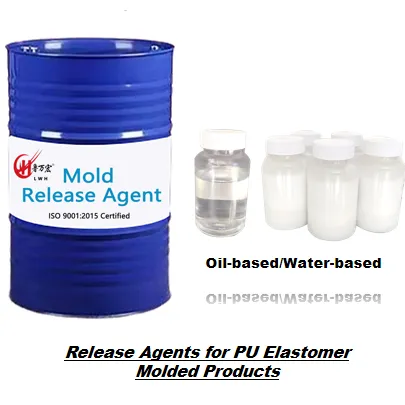

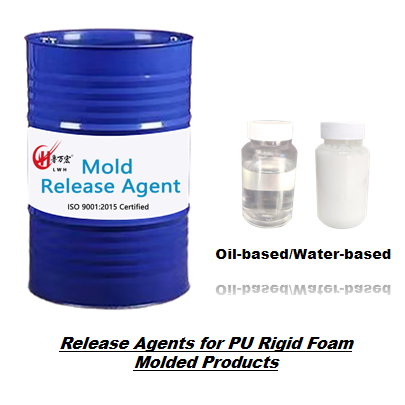
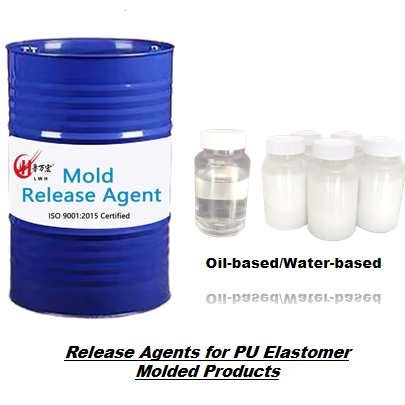
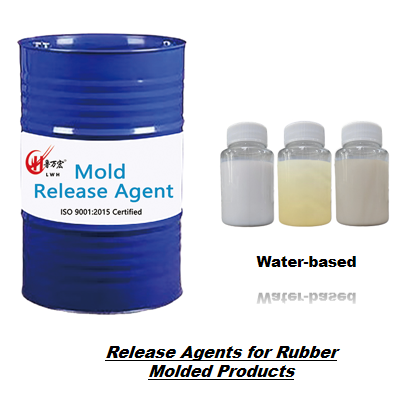
Professional Rubber Mold Release Solutions: Superior Performance for Efficient Manufacturing

All Categories

rubber mold release

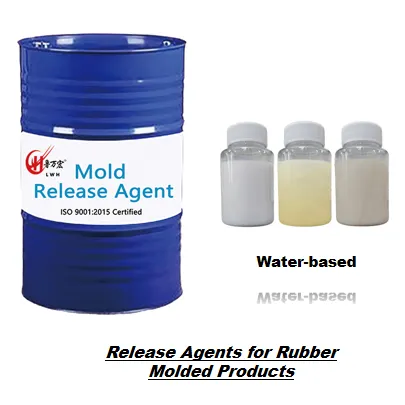
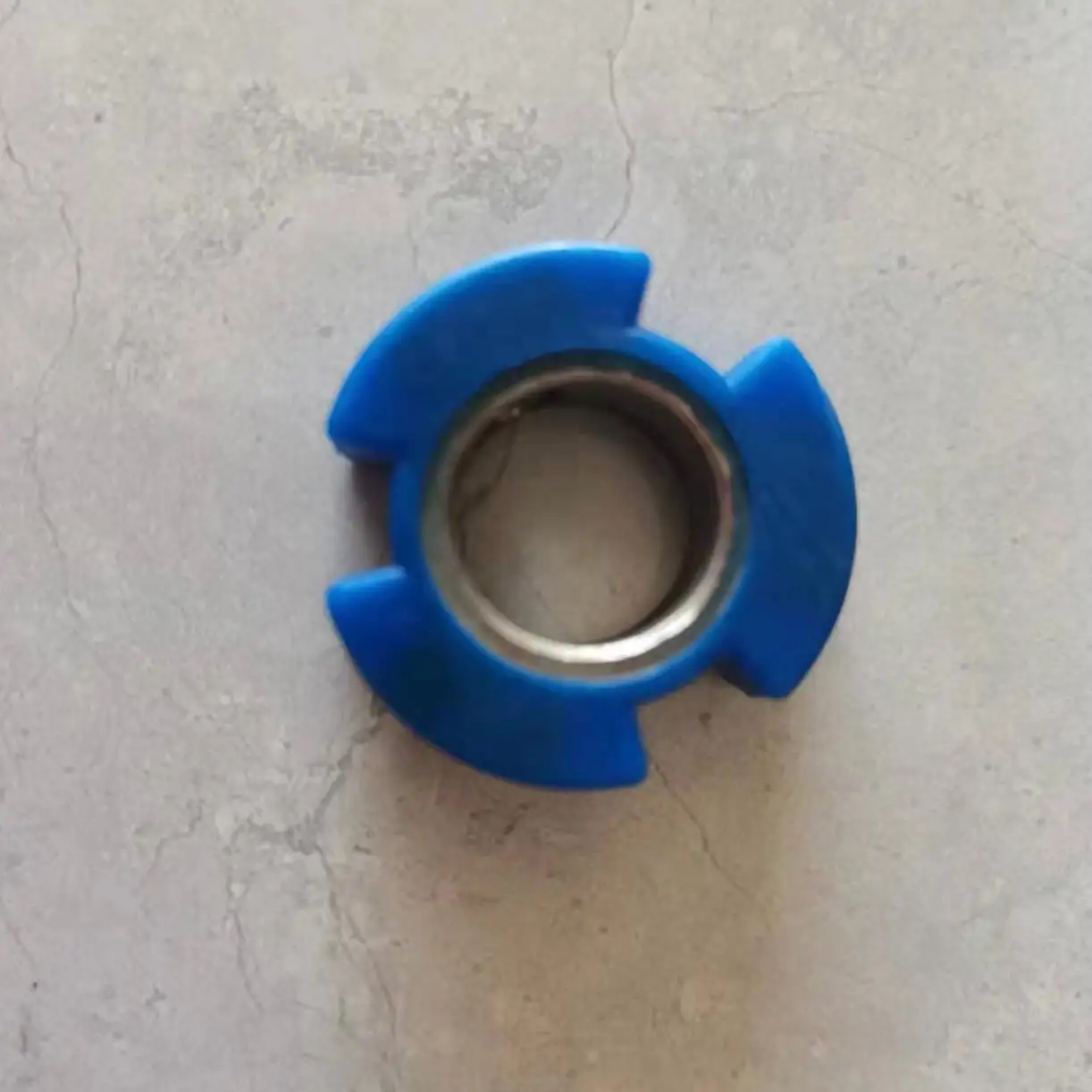
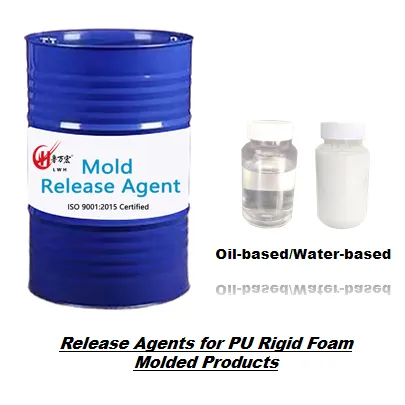
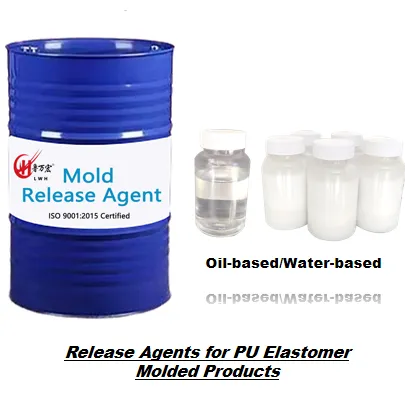
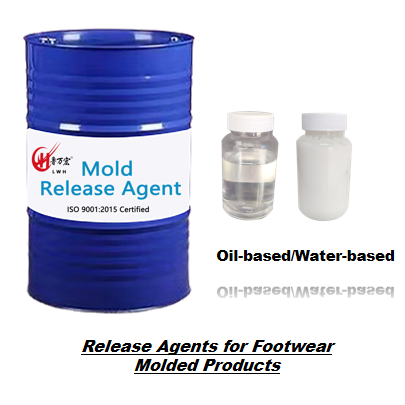
Rubber mold release agents represent essential chemical solutions specifically engineered to facilitate the smooth separation of cured rubber products from their manufacturing molds. These specialized formulations serve as protective barriers between the rubber compound and mold surfaces, preventing adhesion while maintaining the integrity of both the final product and the production tooling. The primary function of rubber mold release involves creating a thin, uniform coating that allows molded rubber components to release cleanly without damage, tearing, or surface defects. This critical manufacturing aid significantly reduces production downtime, minimizes waste, and ensures consistent product quality across various rubber molding processes. Technologically, modern rubber mold release formulations incorporate advanced silicone-based compounds, fluoropolymers, or specialized wax systems that provide superior release properties while withstanding the high temperatures and pressures typical in rubber vulcanization processes. These agents are carefully balanced to resist degradation under extreme manufacturing conditions, maintaining their effectiveness throughout extended production runs. The application spectrum for rubber mold release spans numerous industries, including automotive manufacturing for gaskets, seals, and weatherstripping, aerospace components requiring precise dimensional tolerances, consumer goods production, medical device manufacturing, and industrial rubber product fabrication. Different rubber mold release variants are formulated for specific rubber types, including natural rubber, synthetic elastomers, silicone rubber, and specialty compounds. The selection of appropriate rubber mold release depends on factors such as rubber formulation, curing temperature, mold complexity, production volume, and required surface finish quality. Effective rubber mold release systems contribute to improved manufacturing efficiency, reduced labor costs, extended mold life, and enhanced product consistency, making them indispensable components in professional rubber manufacturing operations worldwide.

New Product Recommendations

Rubber mold release offers manufacturers substantial operational benefits that directly translate into improved productivity and cost savings. The primary advantage lies in its ability to dramatically reduce cycle times by eliminating the need for manual mold cleaning and part extraction difficulties. When rubber products stick to molds, operators must spend valuable time carefully removing parts, often requiring tools that can damage both the product and mold surface. Quality rubber mold release prevents these adhesion issues, allowing parts to release effortlessly and maintaining smooth production flow. This efficiency gain becomes particularly valuable in high-volume manufacturing environments where even small time savings per cycle accumulate into significant productivity improvements. Another major benefit involves protecting expensive mold tooling from damage and wear. Rubber compounds can chemically bond with untreated mold surfaces, causing buildup that requires aggressive cleaning methods or mechanical removal techniques that gradually degrade mold precision. Rubber mold release creates a protective barrier that preserves mold surface integrity, extending tool life and maintaining dimensional accuracy over thousands of production cycles. This protection translates directly into reduced tooling replacement costs and less frequent mold maintenance requirements. Product quality consistency represents another crucial advantage of using professional rubber mold release systems. Without proper release agents, manufacturers often experience surface defects, dimensional variations, and cosmetic imperfections that lead to increased scrap rates and customer complaints. Quality rubber mold release ensures uniform surface finish, precise dimensional control, and consistent appearance across all produced parts. The economic impact extends beyond immediate production benefits, as improved part quality reduces warranty claims, returns, and reputation damage. Environmental and safety considerations also favor modern rubber mold release formulations, which are designed to minimize volatile organic compound emissions while providing effective release properties. Many contemporary products offer water-based alternatives that reduce workplace exposure risks while maintaining superior performance characteristics. Additionally, reduced mold cleaning requirements mean less use of harsh solvents and cleaning chemicals, creating safer working conditions and reducing environmental impact. The versatility of rubber mold release systems allows manufacturers to optimize formulations for specific applications, whether dealing with complex geometries, high-temperature curing processes, or specialized rubber compounds, ensuring optimal results across diverse manufacturing scenarios.

Tips And Tricks

Top Benefits of Using Chinese Polyurethane Release Agent in Manufacturing

23

Jul

Top Benefits of Using Chinese Polyurethane Release Agent in Manufacturing

Enhancing Productivity with Advanced Release Solutions In modern industrial manufacturing, efficiency and material performance are fundamental to remaining competitive. One of the essential tools contributing to production efficiency is the use of re...
View More
What Makes an FRP Release Agent Ideal for Composite Molding?

27

Aug

What Makes an FRP Release Agent Ideal for Composite Molding?

Understanding the Critical Role of Release Agents in FRP Manufacturing In the world of composite manufacturing, FRP release agents play an indispensable role in ensuring successful molding operations. These specialized chemical formulations create a ...
View More
How Do FRP Release Agents Affect Surface Smoothness and Gloss?

27

Aug

How Do FRP Release Agents Affect Surface Smoothness and Gloss?

Understanding the Impact of Release Agents on FRP Surface Quality The surface quality of fiber reinforced polymer (FRP) composites plays a crucial role in both aesthetics and performance. FRP release agents are fundamental components in the manufactu...
View More
How Does PU HR Release Agent Improve Mold Performance?

27

Oct

How Does PU HR Release Agent Improve Mold Performance?

Maximizing Industrial Mold Efficiency with Advanced Release Agents The manufacturing industry continually seeks innovative solutions to enhance production efficiency and product quality. Among these advancements, PU HR release agent has emerged as a ...
View More

Get a Free Quote

Our representative will contact you soon.
Email
Name
Company Name
Message
0/1000

rubber mold release

Superior Temperature Stability and Chemical Resistance

Superior Temperature Stability and Chemical Resistance

The exceptional temperature stability and chemical resistance of advanced rubber mold release formulations represent critical performance characteristics that distinguish professional-grade products from basic alternatives. Modern rubber mold release agents are specifically engineered to maintain their effectiveness across the extreme temperature ranges encountered in rubber vulcanization processes, typically withstanding temperatures from ambient conditions up to 500°F or higher without degradation or loss of release properties. This thermal stability ensures consistent performance throughout entire production runs, eliminating the need for frequent reapplication and maintaining uniform release characteristics even during extended high-temperature curing cycles. The chemical resistance properties of quality rubber mold release systems provide protection against the aggressive chemical environments created by rubber compounds, curing agents, accelerators, and other additives commonly used in rubber formulations. Many rubber compounds contain sulfur-based curing systems, peroxides, or other reactive chemicals that can attack inferior release agents, causing them to break down and lose effectiveness. Professional rubber mold release formulations incorporate specialized chemical structures that resist degradation from these harsh chemical environments, maintaining their barrier properties and release effectiveness throughout the entire production process. This chemical stability becomes particularly important when manufacturing specialized rubber products that require extended cure times or involve particularly aggressive chemical formulations. The molecular design of advanced rubber mold release agents often incorporates fluoropolymer technology or specially modified silicone systems that provide inherent chemical inertness while maintaining excellent release properties. These sophisticated formulations create durable barrier coatings that protect mold surfaces from chemical attack while ensuring clean, consistent part release. The combination of temperature and chemical resistance translates into significant economic benefits for manufacturers, including reduced material consumption, fewer production interruptions, improved part quality, and extended mold life. Manufacturing operations dealing with high-performance rubber compounds, specialty elastomers, or demanding production schedules particularly benefit from these advanced resistance properties, as they enable continuous operation without the quality inconsistencies and production delays associated with inferior release agents that break down under demanding manufacturing conditions.
Multi-Surface Compatibility and Application Versatility

Multi-Surface Compatibility and Application Versatility

The multi-surface compatibility and application versatility of modern rubber mold release systems provide manufacturers with unprecedented flexibility in addressing diverse production requirements across various mold materials and manufacturing processes. Professional rubber mold release formulations are specifically designed to perform effectively on virtually all common mold surface types, including aluminum, steel, chrome-plated surfaces, nickel-plated tooling, and various composite mold materials. This universal compatibility eliminates the need for multiple specialized products, simplifying inventory management and reducing the complexity of production changeovers between different mold types. The advanced chemistry of versatile rubber mold release agents creates optimal adhesion to diverse substrate surfaces while maintaining superior release properties regardless of the underlying mold material characteristics. Beyond surface compatibility, these sophisticated formulations adapt to various application methods, accommodating different production environments and operator preferences. Whether applied through manual spray systems, automated coating equipment, brush application, or dip coating processes, quality rubber mold release maintains consistent performance characteristics and uniform coverage. This application flexibility becomes particularly valuable in manufacturing facilities that employ multiple production methods or need to accommodate various part geometries and mold configurations. The versatility extends to compatibility with different rubber compound types, from natural rubber and basic synthetic elastomers to specialized high-performance compounds including silicone rubber, fluoroelastomers, and thermoplastic elastomers. Each rubber type presents unique challenges in terms of adhesion characteristics, curing chemistry, and surface interaction, yet advanced rubber mold release formulations are engineered to provide effective release properties across this broad spectrum of materials. This comprehensive compatibility reduces the need for specialized products for different applications, streamlining procurement processes and reducing inventory complexity. Manufacturing operations benefit significantly from this versatility through reduced training requirements, simplified procedures, and improved production flexibility. Operators can confidently apply the same rubber mold release product across multiple production lines without concern about compatibility issues or performance variations. This consistency translates into more predictable production outcomes, reduced setup times, and improved overall manufacturing efficiency, making versatile rubber mold release systems essential tools for modern, flexible manufacturing operations that must accommodate diverse product requirements and changing market demands.
Enhanced Production Efficiency and Cost Optimization

Enhanced Production Efficiency and Cost Optimization

Enhanced production efficiency and comprehensive cost optimization represent the most compelling advantages of implementing professional rubber mold release systems in manufacturing operations. The immediate efficiency gains become apparent through dramatically reduced cycle times, as parts release cleanly and consistently without requiring manual intervention, tool assistance, or extended cooling periods to prevent sticking. This streamlined release process eliminates production bottlenecks that commonly occur when operators must carefully extract stuck parts, often resulting in damaged products or extended downtime for mold cleaning. Quality rubber mold release enables continuous, automated production flows that maximize equipment utilization and throughput while minimizing labor requirements and operator fatigue. The efficiency improvements extend beyond individual cycle time reductions to encompass overall production planning and scheduling benefits. Predictable, consistent part release characteristics allow manufacturers to develop more accurate production timelines, reduce buffer times, and optimize workforce allocation. This predictability becomes particularly valuable in just-in-time manufacturing environments where schedule reliability directly impacts customer satisfaction and operational costs. The cost optimization benefits of rubber mold release implementation span multiple operational areas, creating compound savings that significantly impact overall manufacturing economics. Direct material cost reductions occur through decreased scrap rates, as consistent release properties prevent the surface defects, dimensional variations, and cosmetic imperfections that typically result in rejected parts. Additionally, reduced mold cleaning requirements translate into lower consumption of expensive solvents, cleaning chemicals, and maintenance materials while decreasing the labor time required for mold preparation between production runs. Equipment longevity represents another significant cost optimization factor, as rubber mold release protection prevents the buildup of rubber deposits and chemical residues that can permanently damage expensive mold tooling. This protection extends mold service life, reduces the frequency of costly refurbishment procedures, and maintains dimensional accuracy over extended production periods. The cumulative effect of these cost savings often results in rubber mold release systems paying for themselves within weeks of implementation through improved efficiency and reduced operational expenses. Long-term strategic benefits include enhanced manufacturing flexibility, improved customer satisfaction through consistent product quality, and reduced warranty costs associated with defective products. These comprehensive efficiency and cost benefits make professional rubber mold release systems essential investments for competitive manufacturing operations seeking to optimize performance while controlling expenses in increasingly demanding market environments.

Get a Free Quote

Our representative will contact you soon.
Email
Name
Company Name
Message
0/1000