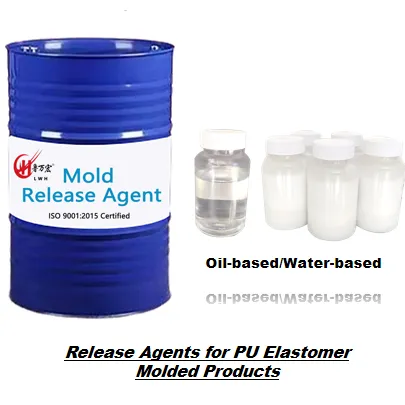
Premium Release Agent for Semi Rigid Self Skinning Foam Molds - Enhanced Performance & Efficiency

All Categories

release agent for semi rigid self skinning foam molds

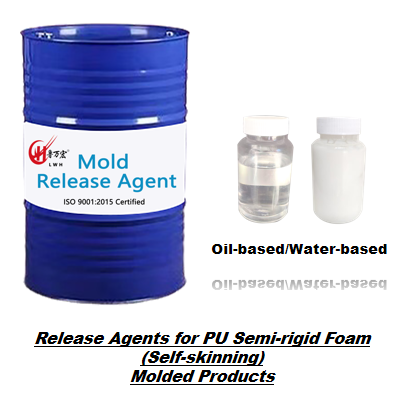
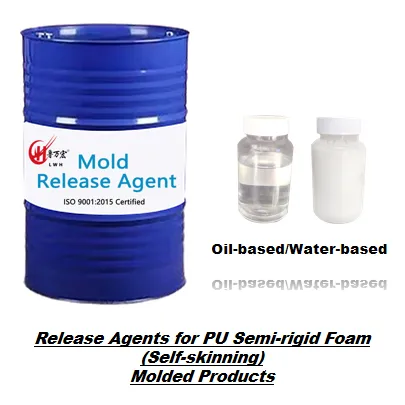
Release agent for semi rigid self skinning foam molds represents a specialized chemical formulation designed to facilitate the smooth separation of polyurethane foam products from their molds during manufacturing processes. This essential industrial component serves as a protective barrier between the foam material and mold surface, preventing adhesion and ensuring clean part removal. The primary function of this release agent centers on creating a non-stick interface that allows manufacturers to produce high-quality foam components without damaging either the finished product or the expensive tooling. Semi rigid self skinning foam applications require particularly sophisticated release systems due to the unique characteristics of these materials, which form a dense outer skin while maintaining a softer core structure. The technological features of modern release agent for semi rigid self skinning foam molds include advanced silicone-based formulations that provide exceptional thermal stability and chemical resistance. These agents maintain their effectiveness across wide temperature ranges, typically from ambient conditions up to 200 degrees Celsius, ensuring consistent performance throughout diverse manufacturing environments. The formulation incorporates specialized additives that enhance wetting properties, allowing for uniform distribution across complex mold geometries and intricate surface details. Many contemporary release agents feature semi-permanent characteristics, meaning they can provide effective release properties for multiple molding cycles before requiring reapplication, significantly improving production efficiency and reducing operational costs. Applications for release agent for semi rigid self skinning foam molds span numerous industries including automotive, furniture, construction, and specialty manufacturing sectors. In automotive applications, these release agents enable the production of dashboard components, armrests, steering wheels, and seating elements that require both structural integrity and aesthetic appeal. The furniture industry utilizes these products for manufacturing cushioning components, decorative elements, and ergonomic supports that demand consistent quality and surface finish. Construction applications include architectural foam elements, insulation components, and specialized building materials where dimensional accuracy and surface quality are paramount. The versatility of modern release agent formulations allows manufacturers to optimize their processes for specific foam chemistries and production requirements.

New Product Recommendations

The advantages of using release agent for semi rigid self skinning foam molds extend far beyond simple part separation, delivering comprehensive benefits that directly impact manufacturing efficiency, product quality, and operational profitability. First and foremost, these specialized release agents dramatically reduce cycle times by eliminating the need for mechanical part removal assistance, allowing operators to extract finished components quickly and safely without risking damage to delicate surface features or complex geometries. This time reduction translates directly into increased production capacity and improved return on investment for manufacturing equipment. The consistent application of release agent for semi rigid self skinning foam molds ensures uniform surface quality across all produced parts, eliminating variations that could lead to quality control issues or customer complaints. Manufacturers benefit from significantly reduced mold maintenance requirements when using high-quality release agents, as these formulations prevent foam residue buildup and chemical bonding that can damage expensive tooling surfaces over time. The protective properties of modern release agents extend mold life considerably, reducing replacement costs and minimizing production downtime associated with mold refurbishment or replacement activities. Operators experience improved workplace safety when using properly formulated release agents, as these products reduce the physical effort required for part removal and eliminate the need for potentially dangerous mechanical extraction tools or techniques. The environmental advantages include reduced waste generation through improved part quality consistency and decreased solvent usage compared to traditional release methods. Modern release agent for semi rigid self skinning foam molds formulations often feature low volatile organic compound content, supporting compliance with increasingly stringent environmental regulations while maintaining superior performance characteristics. Cost benefits extend beyond direct material savings to include reduced labor requirements, decreased reject rates, and improved overall equipment effectiveness. The versatility of contemporary release agents allows manufacturers to optimize single formulations across multiple product lines and mold configurations, simplifying inventory management and reducing complexity in production planning. Quality consistency becomes significantly more achievable when using professional-grade release agents, as these products eliminate variables that can affect surface finish, dimensional accuracy, and part aesthetics. Manufacturers report substantial improvements in first-pass quality rates when implementing proper release agent protocols, reducing costly rework and material waste. The enhanced mold protection provided by quality release agents prevents corrosion and chemical attack, maintaining precise mold dimensions and surface finishes that are critical for producing high-quality foam components meeting strict dimensional tolerances and aesthetic requirements.

Tips And Tricks

Epoxy Resin Release Agent Applications in Casting and Composites

27

Aug

Epoxy Resin Release Agent Applications in Casting and Composites

Understanding the Essential Role of Release Agents in Epoxy Applications In the world of manufacturing and crafting with epoxy resins, success often hinges on the proper use of release agents. These specialized compounds play a crucial role in ensuri...
View More
What Makes Luwanhong Release Agent Stand Out in Manufacturing?

22

Sep

What Makes Luwanhong Release Agent Stand Out in Manufacturing?

Innovation and Excellence in Industrial Release Solutions In the ever-evolving landscape of industrial manufacturing, the choice of release agents plays a pivotal role in production efficiency and product quality. Luwanhong release agent has emerged ...
View More
How Luwanhong Release Agent Delivers Consistency and Reliability

27

Oct

How Luwanhong Release Agent Delivers Consistency and Reliability

Achieving Manufacturing Excellence Through Advanced Release Agents In the demanding world of industrial manufacturing, the quality and reliability of release agents play a pivotal role in production success. The Luwanhong release agent has emerged as...
View More
Why Is PU HR Release Agent Essential in Foam Production?

27

Oct

Why Is PU HR Release Agent Essential in Foam Production?

Understanding the Critical Role of Release Agents in Polyurethane Foam Manufacturing The polyurethane foam manufacturing industry has evolved significantly over the decades, and at its heart lies a crucial component that often goes unnoticed – ...
View More

Get a Free Quote

Our representative will contact you soon.
Email
Name
Company Name
Message
0/1000

release agent for semi rigid self skinning foam molds

Superior Thermal Stability for Consistent Performance

Superior Thermal Stability for Consistent Performance

The exceptional thermal stability of release agent for semi rigid self skinning foam molds represents one of its most significant technological advantages, directly addressing the challenging temperature conditions encountered during polyurethane foam processing. Unlike conventional release products that may degrade or lose effectiveness at elevated temperatures, advanced formulations maintain their chemical integrity and release properties across extensive temperature ranges, typically from room temperature up to 200 degrees Celsius or higher. This thermal stability ensures consistent performance throughout varying production conditions, seasonal temperature fluctuations, and different foam formulation requirements that may generate varying exothermic reactions during curing. The molecular structure of high-performance release agents incorporates thermally stable silicone backbones and specialized additives that resist thermal decomposition, preventing the formation of residues or by-products that could contaminate finished parts or damage mold surfaces. This stability proves particularly crucial in automotive applications where release agent for semi rigid self skinning foam molds must withstand the heat generated during rapid production cycles and maintain effectiveness across multiple shifts of continuous operation. The thermal properties also contribute to improved mold temperature management, as stable release agents do not undergo phase changes or chemical reactions that could affect heat transfer characteristics within the molding system. Manufacturers benefit from reduced variability in processing conditions, leading to more predictable outcomes and improved process control capabilities. The thermal stability advantage extends to storage and handling considerations, as these release agents maintain their properties during transportation and warehousing in various climatic conditions, ensuring consistent performance regardless of environmental factors. Quality control becomes more manageable when using thermally stable release agents, as temperature-related performance variations are minimized, allowing production teams to focus on other critical process variables. The long-term cost benefits of thermal stability include extended service life of both the release agent and mold tooling, reduced maintenance requirements, and fewer production interruptions due to temperature-related performance issues. This thermal stability also enables manufacturers to optimize cure cycles and processing temperatures for improved productivity without compromising release performance or part quality.
Extended Mold Life Through Advanced Surface Protection

Extended Mold Life Through Advanced Surface Protection

The advanced surface protection capabilities of release agent for semi rigid self skinning foam molds deliver substantial value through extended mold life, reduced maintenance costs, and consistent part quality over thousands of production cycles. Modern release agent formulations create a microscopic protective barrier that shields expensive mold surfaces from chemical attack, mechanical wear, and thermal stress that typically occur during repeated foam molding operations. This protection mechanism operates through multiple layers of defense, beginning with chemical resistance that prevents reactive foam components from bonding with mold materials, whether constructed from aluminum, steel, or specialized composite materials. The protective layer also provides mechanical cushioning that reduces wear from part removal operations and thermal cycling stresses that can cause micro-cracking and surface degradation over time. Manufacturers investing in high-quality tooling can protect their investment through consistent application of professional-grade release agents, as these products prevent the chemical etching and surface contamination that commonly occur when inferior release systems are employed. The economic impact of extended mold life becomes particularly significant when considering the substantial capital investment required for precision tooling, especially in complex applications requiring intricate surface details, tight dimensional tolerances, or specialized surface textures. Release agent for semi rigid self skinning foam molds with superior protective properties can extend mold service life by 50 percent or more compared to basic release systems, translating into substantial cost savings and improved return on tooling investments. The protection extends beyond simple chemical barriers to include lubrication properties that reduce friction during part removal, minimizing mechanical stress on both mold surfaces and finished components. This comprehensive protection approach ensures that mold surfaces maintain their original specifications longer, preserving critical dimensions and surface finishes that directly impact part quality and customer satisfaction. The consistency of protection provided by quality release agents eliminates the variability associated with mold condition changes over time, allowing manufacturers to maintain tight quality control standards throughout extended production runs. Predictive maintenance becomes more accurate when using protective release agents, as degradation patterns become more predictable and manageable, enabling better production planning and resource allocation. The surface protection benefits also extend to reduced cleaning requirements and simplified mold maintenance procedures, further contributing to operational efficiency and cost reduction.
Multi-Cycle Efficiency for Enhanced Productivity

Multi-Cycle Efficiency for Enhanced Productivity

The multi-cycle efficiency of modern release agent for semi rigid self skinning foam molds represents a breakthrough in manufacturing productivity, enabling manufacturers to achieve consistent release performance across numerous production cycles with a single application. This semi-permanent characteristic fundamentally transforms production economics by reducing application time, minimizing material consumption, and eliminating the productivity losses associated with frequent reapplication procedures. Traditional release systems often require application before each molding cycle, creating bottlenecks in production flow and increasing labor costs, while advanced multi-cycle formulations can provide effective release properties for 20 to 100 cycles or more, depending on specific application requirements and operating conditions. The technology behind multi-cycle efficiency involves sophisticated polymer chemistry that creates durable molecular bonds with mold surfaces while maintaining release properties at the interface level. This molecular design ensures that the release layer remains intact and functional through multiple thermal cycles, mechanical stresses, and chemical exposures encountered during normal production operations. Manufacturers benefit from significantly improved overall equipment effectiveness as cycle times are reduced and production planning becomes more predictable without the variables introduced by frequent release agent application procedures. The consistency of release performance across multiple cycles translates directly into improved part quality uniformity, as variations in release agent application thickness or coverage are eliminated from the quality equation. Quality control personnel can focus on other critical process variables knowing that release performance remains consistent throughout extended production runs. The economic advantages of multi-cycle efficiency extend beyond direct material cost savings to include reduced labor requirements, decreased production downtime, and improved scheduling flexibility. Production planners can optimize manufacturing sequences without accounting for release agent application time, leading to better resource utilization and increased throughput capacity. The multi-cycle approach also contributes to environmental sustainability by reducing overall chemical consumption and minimizing packaging waste associated with frequent product applications. Release agent for semi rigid self skinning foam molds with proven multi-cycle performance enables manufacturers to implement lean manufacturing principles more effectively, as setup times are reduced and process flow becomes more streamlined. The reliability of multi-cycle performance also supports automated production systems where frequent manual intervention for release agent application would compromise automation benefits and introduce potential quality variables. Maintenance scheduling becomes more predictable when using multi-cycle release agents, as application intervals can be planned in conjunction with other routine maintenance activities, optimizing overall production efficiency.

Get a Free Quote

Our representative will contact you soon.
Email
Name
Company Name
Message
0/1000