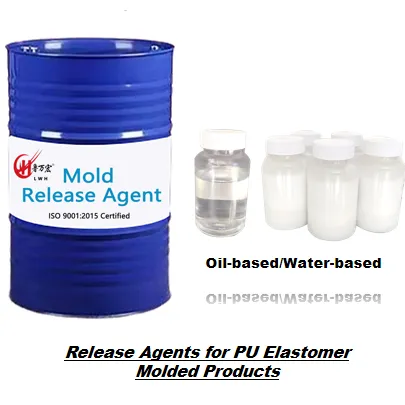
Professional Polyurethane Foam Mold Release Agent - Superior Performance for Industrial Manufacturing

All Categories

polyurethane foam mold release agent

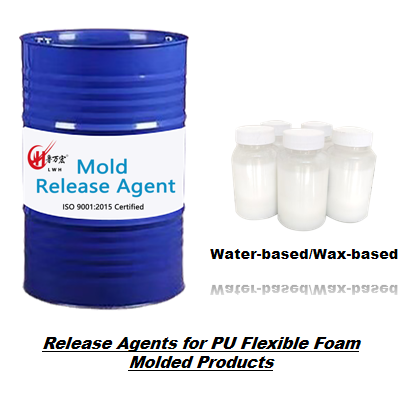
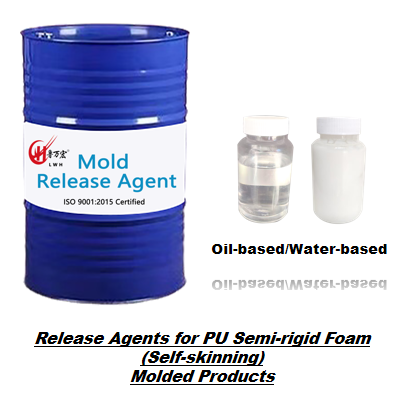
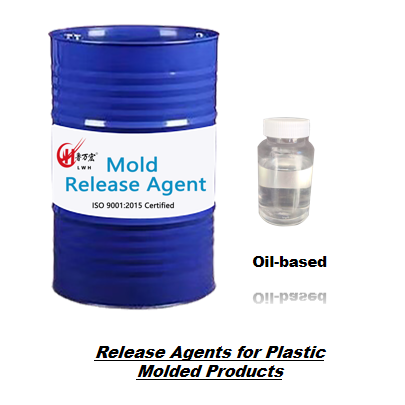
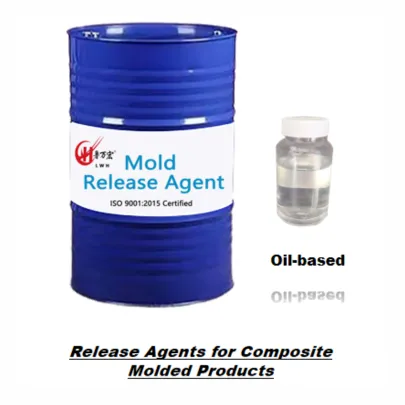
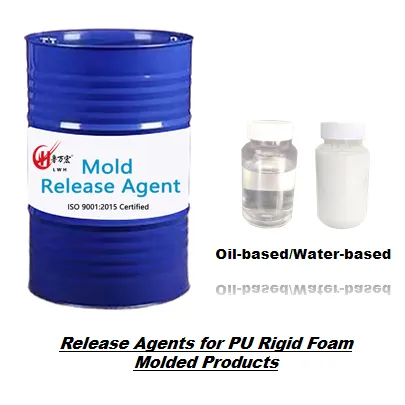
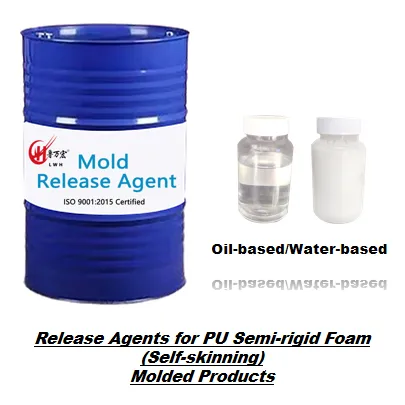
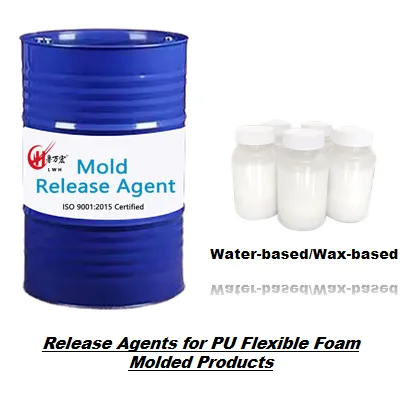
Polyurethane foam mold release agent represents a specialized chemical solution designed to facilitate smooth demolding processes in polyurethane foam manufacturing. This essential product serves as a barrier coating between the mold surface and the expanding foam material, preventing unwanted adhesion that could damage both the finished product and expensive tooling equipment. The primary function of polyurethane foam mold release agent involves creating a thin, uniform layer that allows easy separation of cured foam parts from their molds while maintaining exceptional surface quality and dimensional accuracy. Modern formulations incorporate advanced silicone-based compounds, fluorinated polymers, or specialized wax systems that provide superior release properties across various temperature ranges and foam densities. These technological features ensure consistent performance whether working with rigid structural foams, flexible cushioning materials, or specialty polyurethane formulations used in automotive, furniture, construction, and industrial applications. The agent works by forming a molecular barrier that reduces surface tension between the mold and foam, effectively eliminating sticking points that commonly occur during the curing process. Professional manufacturers rely on polyurethane foam mold release agent to maintain production efficiency, reduce waste, and protect valuable mold investments. The product demonstrates exceptional compatibility with different mold materials including aluminum, steel, fiberglass, and composite surfaces. Application methods vary from spray systems for large-scale production to brush-on techniques for detailed work, providing flexibility across diverse manufacturing environments. Quality formulations offer extended mold life by preventing chemical bonding between reactive foam components and mold surfaces, while also contributing to improved part surface finish and reduced post-processing requirements. The strategic use of polyurethane foam mold release agent ultimately translates to higher productivity, lower operating costs, and enhanced product quality in foam manufacturing operations.

Popular Products

The implementation of polyurethane foam mold release agent delivers substantial operational benefits that directly impact manufacturing efficiency and product quality. Production teams experience significantly reduced cycle times since parts release effortlessly from molds without requiring excessive force or specialized extraction tools. This smooth demolding process eliminates the risk of part damage, warping, or surface defects that commonly occur when foam adheres to mold surfaces. Manufacturing facilities achieve higher throughput rates because operators spend less time on part removal and mold cleaning between cycles. The protective barrier created by polyurethane foam mold release agent extends mold lifespan considerably by preventing chemical etching, corrosion, and wear caused by reactive foam compounds. This protection translates to substantial cost savings since replacement molds represent significant capital investments, particularly for complex geometries or large-scale production tooling. Quality control benefits emerge through improved surface finish consistency, as the release agent promotes uniform foam skin formation and reduces surface imperfections. Parts exhibit better dimensional stability since they cure without stress concentrations caused by mold adhesion. Environmental advantages include reduced waste generation from damaged parts and decreased solvent usage for mold cleaning. Worker safety improves because operators avoid using excessive force during demolding, reducing injury risks and ergonomic strain. The chemical formulation of modern polyurethane foam mold release agent provides excellent temperature stability, maintaining effectiveness across typical processing temperature ranges without degradation or migration into foam structures. Economic benefits compound over time as manufacturers experience reduced downtime for mold maintenance, lower rejection rates, and improved overall equipment effectiveness. The versatility of application methods allows integration into existing production workflows without requiring substantial equipment modifications. Consistent performance characteristics ensure predictable results that support lean manufacturing principles and quality management systems. These combined advantages position polyurethane foam mold release agent as an essential component for competitive foam manufacturing operations seeking to optimize productivity while maintaining superior product standards.

Practical Tips

What Makes Chinese Polyurethane Release Agent a Global Industry Choice?

23

Jul

What Makes Chinese Polyurethane Release Agent a Global Industry Choice?

Innovation and Affordability Drive Global Demand In the realm of industrial manufacturing, efficiency and precision are key elements in ensuring consistent production quality. The Chinese Polyurethane Release Agent has emerged as a pivotal solution t...
View More
Epoxy Resin Release Agent Applications in Casting and Composites

27

Aug

Epoxy Resin Release Agent Applications in Casting and Composites

Understanding the Essential Role of Release Agents in Epoxy Applications In the world of manufacturing and crafting with epoxy resins, success often hinges on the proper use of release agents. These specialized compounds play a crucial role in ensuri...
View More
Top Advantages of Oil Based Release Agent for Manufacturing

27

Oct

Top Advantages of Oil Based Release Agent for Manufacturing

Understanding the Revolutionary Impact of Release Agents in Modern Manufacturing The manufacturing industry continues to evolve with innovative solutions that enhance production efficiency and product quality. Among these innovations, oil based relea...
View More
Why Is PU HR Release Agent Essential in Foam Production?

27

Oct

Why Is PU HR Release Agent Essential in Foam Production?

Understanding the Critical Role of Release Agents in Polyurethane Foam Manufacturing The polyurethane foam manufacturing industry has evolved significantly over the decades, and at its heart lies a crucial component that often goes unnoticed – ...
View More

Get a Free Quote

Our representative will contact you soon.
Email
Name
Company Name
Message
0/1000

polyurethane foam mold release agent

Superior Release Performance and Mold Protection Technology

Superior Release Performance and Mold Protection Technology

The advanced formulation technology behind polyurethane foam mold release agent delivers exceptional release performance through scientifically engineered molecular structures that create optimal barrier properties. This sophisticated chemistry employs carefully selected silicone polymers, fluorinated compounds, and specialized additives that work synergistically to prevent foam adhesion while protecting mold surfaces from chemical attack and physical wear. The molecular architecture of these release agents forms an ultra-thin, uniform coating that maintains integrity throughout the foam curing process, even under high temperatures and pressures commonly encountered in industrial foam production. This protective layer effectively shields expensive mold surfaces from reactive isocyanates and polyols that could otherwise cause permanent etching, corrosion, or surface degradation over repeated use cycles. Manufacturing facilities benefit from extended mold life that can exceed traditional expectations by 200-300 percent, representing substantial cost savings in tooling replacement and refurbishment expenses. The release agent maintains consistent performance across diverse foam formulations, from low-density flexible foams to high-density rigid structural materials, ensuring reliable demolding regardless of specific chemistry variations. Temperature stability characteristics allow effective operation across typical processing ranges from ambient conditions to elevated cure temperatures exceeding 200 degrees Fahrenheit. The chemical inertness of quality polyurethane foam mold release agent prevents unwanted reactions with foam components, eliminating contamination concerns that could compromise final product properties. Surface tension reduction properties ensure complete wetting and coverage of complex mold geometries, including deep cavities, sharp angles, and intricate details that challenge conventional release systems. This comprehensive protection extends beyond simple release functionality to include anti-corrosion benefits, oxidation resistance, and thermal cycling durability that maintains mold precision over extended service periods. Professional manufacturers recognize these protective qualities as essential for maintaining competitive production capabilities while maximizing return on tooling investments.
Enhanced Production Efficiency and Operational Simplicity

Enhanced Production Efficiency and Operational Simplicity

Implementation of polyurethane foam mold release agent revolutionizes production workflow efficiency by eliminating traditional demolding challenges that create bottlenecks and quality inconsistencies in foam manufacturing processes. The streamlined application methods accommodate various production scales and mold configurations, from high-volume automated spray systems to precision manual application techniques for specialized components. This operational flexibility allows manufacturers to optimize their specific processes without compromising release performance or requiring expensive equipment modifications. Production cycle times decrease substantially as operators achieve effortless part removal that eliminates the need for mechanical assistance, heating cycles, or chemical stripping procedures traditionally required for difficult releases. The immediate availability of molds for subsequent cycles enhances overall equipment effectiveness and supports continuous production scheduling that maximizes facility utilization. Quality control benefits emerge through consistent part surface characteristics that reduce finishing requirements and eliminate cosmetic defects associated with mold sticking or rough demolding procedures. The polyurethane foam mold release agent application process integrates seamlessly into existing production protocols, requiring minimal training for production personnel while delivering immediate performance improvements. Inventory management simplifies through concentrated formulations that provide extended coverage per unit volume, reducing storage requirements and procurement frequency. The chemical stability of professional-grade release agents ensures predictable shelf life and performance consistency that supports lean inventory practices and just-in-time manufacturing strategies. Maintenance requirements diminish significantly as molds remain cleaner between cycles, reducing solvent consumption and cleaning labor while extending service intervals for comprehensive mold reconditioning. Environmental compliance benefits include reduced emissions from cleaning solvents and decreased waste generation from damaged parts or excessive mold cleaning procedures. The economic impact of these efficiency gains accumulates rapidly in production environments, where even modest cycle time reductions translate to substantial throughput improvements and cost savings. Manufacturing teams report improved job satisfaction and reduced physical strain associated with difficult demolding operations, contributing to better workplace safety records and employee retention rates.
Versatile Application Compatibility and Surface Quality Excellence

Versatile Application Compatibility and Surface Quality Excellence

The remarkable versatility of polyurethane foam mold release agent extends across diverse manufacturing applications, mold materials, and foam formulations, making it an indispensable solution for varied production requirements. This broad compatibility encompasses traditional aluminum and steel molds, advanced composite tooling, fiberglass surfaces, and specialty materials used in prototype development and low-volume production scenarios. The chemical formulation demonstrates excellent adhesion to different mold substrates while maintaining consistent release properties regardless of surface texture, porosity, or geometric complexity. Surface quality achievements represent a critical advantage as the polyurethane foam mold release agent promotes superior foam skin formation that eliminates common defects such as sink marks, surface voids, or texture irregularities that compromise finished part appearance. The molecular structure of advanced release agents facilitates controlled foam expansion and curing patterns that result in uniform density distribution and optimal surface finish characteristics. This surface quality excellence proves particularly valuable in visible applications such as automotive interior components, furniture cushioning, architectural panels, and consumer products where aesthetic requirements demand flawless surface presentation. The release agent compatibility extends to various foam densities and cure speeds, accommodating both fast-cycle production requirements and specialized applications requiring extended cure times or modified foam chemistry. Temperature range compatibility ensures effective performance across seasonal variations and different processing environments, from climate-controlled facilities to industrial settings with variable ambient conditions. The chemical neutrality of quality formulations prevents interference with foam colorants, additives, or surface treatments that could affect final product specifications or certification requirements. Application thickness control allows optimization for specific mold geometries and foam types, ensuring adequate coverage without excess material that could cause buildup or transfer to finished parts. Professional manufacturers appreciate the consistent batch-to-batch performance that supports quality management systems and regulatory compliance requirements in industries such as automotive, aerospace, medical devices, and construction materials. The polyurethane foam mold release agent maintains effectiveness throughout extended production runs without requiring frequent reapplication, supporting high-volume manufacturing schedules while minimizing process interruptions and material consumption costs.

Get a Free Quote

Our representative will contact you soon.
Email
Name
Company Name
Message
0/1000