
Premium Plastic Release Agent Solutions for Enhanced Manufacturing Efficiency and Quality

All Categories

plastic release agent

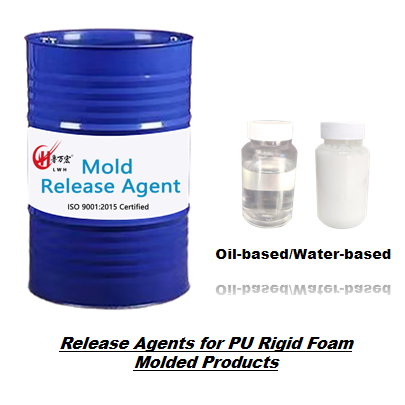
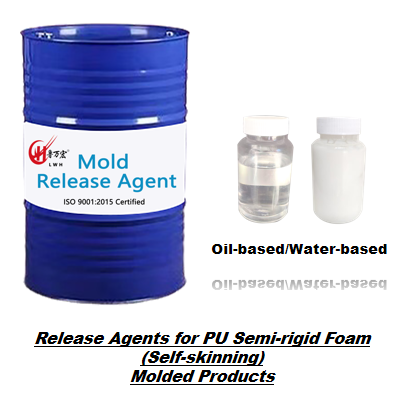
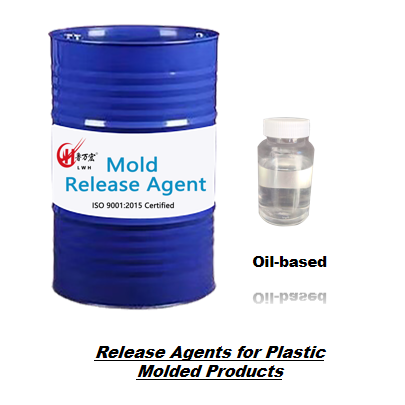
Plastic release agent represents a specialized chemical formulation designed to prevent adhesion between plastic materials and mold surfaces during manufacturing processes. This essential industrial product serves as a barrier coating that facilitates the smooth removal of molded plastic components without causing damage to either the product or the manufacturing equipment. The primary function of plastic release agent involves creating a thin, non-stick layer on mold surfaces that allows finished plastic parts to separate cleanly from their forming tools. This separation process becomes crucial in injection molding, compression molding, and various thermoforming applications where plastic materials are shaped under heat and pressure. The technological features of modern plastic release agent formulations include superior thermal stability, chemical resistance, and compatibility with diverse plastic materials including polyethylene, polypropylene, polystyrene, and engineering plastics. These agents maintain their effectiveness across wide temperature ranges, ensuring consistent performance in both low-temperature and high-heat molding operations. Advanced plastic release agent products incorporate silicone-based or fluoropolymer technologies that provide excellent lubrication properties while maintaining minimal transfer to the finished plastic product. The applications of plastic release agent extend across numerous industries including automotive manufacturing, consumer goods production, medical device fabrication, and packaging manufacturing. In automotive applications, plastic release agent enables the production of complex interior components, exterior panels, and under-hood parts with precise dimensional accuracy. Consumer goods manufacturers rely on these agents for producing household items, toys, and electronic housings with smooth surface finishes. Medical device production demands plastic release agent formulations that meet stringent regulatory requirements while ensuring contamination-free molding processes. The packaging industry utilizes these agents for creating containers, lids, and protective components with consistent quality standards.

Popular Products

Plastic release agent delivers significant operational benefits that directly impact manufacturing efficiency and product quality across diverse production environments. The most immediate advantage involves dramatic reduction in cycle times, as operators can remove molded parts quickly without struggling with adhesion issues that typically cause production delays. This improved efficiency translates into higher throughput rates and increased profitability for manufacturing operations of all scales. Quality enhancement represents another major advantage, as plastic release agent prevents surface defects, scratches, and dimensional distortions that occur when parts stick to mold surfaces during removal. The consistent application of quality plastic release agent ensures that every molded component meets specified tolerances and surface finish requirements, reducing rejection rates and minimizing costly rework procedures. Cost savings emerge from multiple sources when implementing effective plastic release agent systems, including reduced mold maintenance requirements, extended tooling life, and decreased material waste from damaged parts. Manufacturing facilities experience lower operational costs through reduced downtime for mold cleaning and repair, while the protective properties of plastic release agent help preserve expensive tooling investments over extended production runs. Labor efficiency improves substantially as workers spend less time dealing with stuck parts, mold cleaning, and quality issues related to poor part release. The ease of application characterizing modern plastic release agent formulations allows production teams to maintain consistent coating coverage without requiring extensive training or specialized equipment. Environmental considerations favor water-based plastic release agent formulations that reduce volatile organic compound emissions while maintaining superior performance characteristics. These environmentally conscious options help manufacturing facilities comply with increasingly strict environmental regulations while supporting corporate sustainability initiatives. Versatility in application methods provides operational flexibility, as plastic release agent can be applied through spraying, brushing, or automated dispensing systems depending on production requirements and facility capabilities. Temperature stability ensures that plastic release agent maintains its effectiveness across the wide range of processing conditions encountered in modern plastic manufacturing, from room temperature forming to high-heat injection molding operations exceeding 300 degrees Celsius.

Latest News

Top Benefits of Using Chinese Polyurethane Release Agent in Manufacturing

23

Jul

Top Benefits of Using Chinese Polyurethane Release Agent in Manufacturing

Enhancing Productivity with Advanced Release Solutions In modern industrial manufacturing, efficiency and material performance are fundamental to remaining competitive. One of the essential tools contributing to production efficiency is the use of re...
View More
How Does Luwanhong Release Agent Improve Production Efficiency?

22

Sep

How Does Luwanhong Release Agent Improve Production Efficiency?

Maximizing Manufacturing Productivity with Advanced Release Agents In today's competitive manufacturing landscape, production efficiency stands as a cornerstone of success. The application of high-quality release agent has emerged as a game-changing ...
View More
Top Advantages of Oil Based Release Agent for Manufacturing

27

Oct

Top Advantages of Oil Based Release Agent for Manufacturing

Understanding the Revolutionary Impact of Release Agents in Modern Manufacturing The manufacturing industry continues to evolve with innovative solutions that enhance production efficiency and product quality. Among these innovations, oil based relea...
View More
How to Apply PU Flexible Foam Release Agent for Best Results?

27

Oct

How to Apply PU Flexible Foam Release Agent for Best Results?

Mastering the Application of Release Agents in Polyurethane Foam Production The successful production of polyurethane flexible foam products heavily depends on the proper application of release agents. These specialized chemicals play a crucial role ...
View More

Get a Free Quote

Our representative will contact you soon.
Email
Name
Company Name
Message
0/1000

plastic release agent

Superior Mold Protection and Longevity Enhancement

Superior Mold Protection and Longevity Enhancement

The protective capabilities of plastic release agent extend far beyond simple part separation, delivering comprehensive mold protection that significantly extends tooling service life and reduces maintenance requirements. This advanced protection mechanism works by creating a microscopic barrier layer that shields mold surfaces from the corrosive effects of plastic materials, processing additives, and thermal cycling stress that naturally occurs during repeated molding operations. The barrier properties of quality plastic release agent prevent plastic materials from chemically bonding with metal mold surfaces, eliminating the buildup of residual material that can cause surface pitting, scoring, and dimensional changes over time. This protection becomes particularly valuable in high-volume production environments where molds operate continuously under demanding conditions, experiencing thousands of cycles without adequate protection leading to premature wear and costly replacement needs. The thermal protection offered by plastic release agent helps maintain mold surface integrity during temperature fluctuations that occur with each molding cycle, preventing thermal stress cracking and surface deterioration that compromise part quality and dimensional accuracy. Manufacturing facilities investing in premium plastic release agent formulations typically observe mold life extensions of 200 to 400 percent compared to operations using inferior or no release agents, representing substantial cost savings through reduced tooling replacement and refurbishment expenses. The chemical resistance properties inherent in advanced plastic release agent compositions protect molds from aggressive plastic formulations containing flame retardants, UV stabilizers, and other additives that can attack unprotected metal surfaces. This chemical protection proves especially critical when processing engineering plastics and specialty compounds that incorporate reactive or corrosive components requiring careful handling throughout the molding process. Regular application of appropriate plastic release agent creates a renewable protective system that maintains mold surface quality throughout extended production campaigns, ensuring consistent part quality and dimensional stability from the first shot to the final production run.
Enhanced Production Efficiency and Cycle Time Optimization

Enhanced Production Efficiency and Cycle Time Optimization

Production efficiency optimization through strategic plastic release agent implementation delivers measurable improvements in manufacturing throughput while simultaneously reducing operational costs and quality-related issues. The cycle time reductions achieved with proper plastic release agent application typically range from 15 to 40 percent depending on part complexity, material characteristics, and molding conditions, representing significant productivity gains that directly impact bottom-line profitability. These time savings occur because operators can remove finished parts immediately upon mold opening without waiting for cooling periods or struggling with adhesion problems that delay subsequent cycles. The consistent release properties provided by quality plastic release agent eliminate the variability in part removal times that creates production bottlenecks and scheduling uncertainties in manufacturing operations. Automated production systems benefit substantially from reliable plastic release agent performance, as consistent part ejection enables smooth operation of robotic handling systems and downstream processing equipment without interruption for manual intervention. The reduction in manual handling requirements not only improves cycle times but also minimizes the risk of part damage during removal, contributing to higher first-pass quality rates and reduced scrap costs. Energy efficiency improvements result from shortened cycle times and reduced heating requirements when plastic release agent enables lower processing temperatures while maintaining adequate flow and filling characteristics. Manufacturing facilities implementing comprehensive plastic release agent programs typically observe overall equipment effectiveness improvements of 20 to 35 percent through combined benefits of increased availability, improved performance rates, and enhanced quality outcomes. Setup time reductions become apparent when switching between different plastic materials or part designs, as properly conditioned molds with effective plastic release agent coatings require minimal preparation between production runs. The predictable performance characteristics of modern plastic release agent formulations enable production planners to establish more accurate scheduling and capacity planning, reducing the buffer times traditionally required to accommodate variable cycle times and quality issues associated with poor part release.
Exceptional Surface Quality and Dimensional Precision

Exceptional Surface Quality and Dimensional Precision

The surface quality and dimensional precision benefits delivered by professional-grade plastic release agent extend beyond basic functionality to enable production of parts meeting the most demanding aesthetic and engineering specifications. Surface finish consistency represents a critical advantage, as plastic release agent prevents the micro-scratches, drag marks, and surface imperfections that occur when parts stick to mold surfaces during ejection, ensuring every molded component exhibits uniform texture and appearance characteristics. This consistency becomes particularly important in visible applications such as automotive interior trim, consumer electronics housings, and medical device components where surface quality directly impacts product acceptance and brand perception. The dimensional stability improvements achieved through proper plastic release agent application result from elimination of distortion forces that occur when parts bind to mold surfaces, allowing components to cool and solidify without stress-induced warping or dimensional changes. Precision manufacturing operations producing components with tight tolerances rely on plastic release agent to maintain dimensional consistency across production runs, as even minor adhesion issues can cause measurable variations in critical dimensions that affect assembly fit and function. The surface contamination prevention properties of quality plastic release agent protect molded parts from transfer of mold release residues, processing aids, and other contaminants that can compromise subsequent operations such as painting, printing, or adhesive bonding. Clean part surfaces emerging from properly treated molds require minimal secondary cleaning operations, reducing processing costs and improving workflow efficiency in multi-step manufacturing processes. Optical clarity preservation in transparent plastic applications depends heavily on plastic release agent selection and application techniques, as inferior products can leave residues or create surface imperfections that scatter light and reduce transparency. The chemical compatibility of advanced plastic release agent formulations with various plastic materials ensures that surface properties remain uncompromised, maintaining intended characteristics such as texture, gloss level, and chemical resistance throughout the molding process and subsequent service life.

Get a Free Quote

Our representative will contact you soon.
Email
Name
Company Name
Message
0/1000