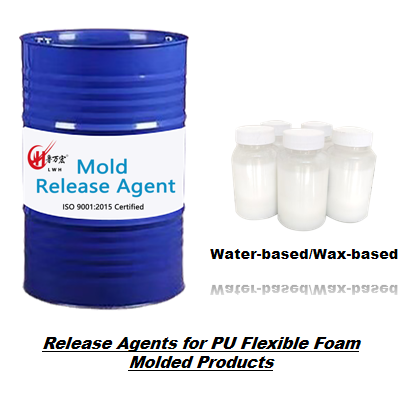
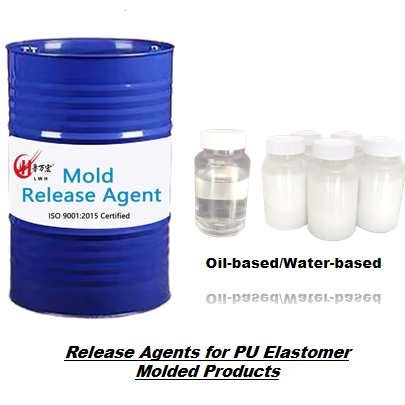
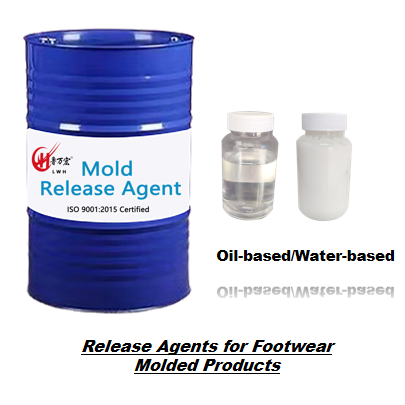
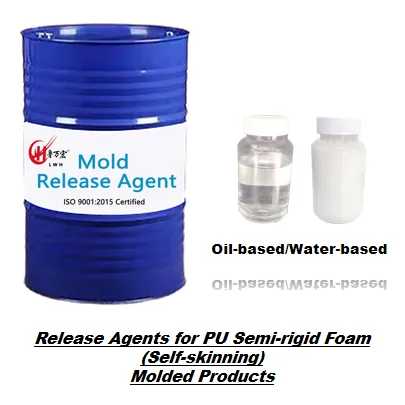
avformningsmedel för polyuretanformer
Avskiljningsmedel för polyuretanformar representerar en avgörande teknologisk framsteg inom tillverknings- och prototypindustrier. Denna specialiserade kemiska formel fungerar som en viktig barriär mellan polyuretanmaterial och formsidor, vilket förhindrar vidhäftning samtidigt som den säkerställer ren och exakt delavlägsning. Den främsta funktionen hos avskiljningsmedel för polyuretanformar innebär att skapa ett mikroskopiskt avskiljningslager som gör det möjligt för härdade polyuretandelar att lossna lätt från sina formsidor utan skador eller deformation. Dessa medel innehåller avancerade silikonbaserade föreningar, fluorpolymerteknologier eller specialiserade växtformuleringar som ger överlägsna ej-klistrande egenskaper. De tekniska egenskaperna hos moderna avskiljningsmedel för polyuretanformar inkluderar exceptionell termisk stabilitet, kemikaliemotstånd och kompatibilitet med olika polyuretankemikalier, inklusive flexibla skum, hårda skum, elastomerer och termohärdande plaster. Många formuleringar erbjuder flera appliceringsmetoder, inklusive spray, pensling eller doppbeläggning, för att passa olika produktionskrav. Avskiljningsmedlet för polyuretanformar bibehåller konsekvent prestanda över temperaturområden från -40°F till 500°F, vilket säkerställer pålitlig drift i både omgivande och uppvärmda formsättningsprocesser. Tillämpningar sträcker sig över många industrier, inklusive tillverkning av fordonskomponenter, flyg- och rymdfartsdelar, byggmaterial, skotillverkning, möbelproduktion och tillverkning av medicintekniska produkter. Inom bilindustrin möjliggör avskiljningsmedel för polyuretanformar effektiv produktion av instrumentpanelskomponenter, tätningspakningar, upphängningsbussningar och inredningsdetaljer. Flyg- och rymdindustrin använder dessa medel för att skapa lättviktiga strukturella komponenter, isoleringsmaterial och specialiserade pakningar som uppfyller stränga prestandakrav. Byggbranschen är beroende av avskiljningsmedel för polyuretanformar vid tillverkning av arkitektoniska element, isoleringsplattor, dekorativa profiler och vattentäta membran. Dessutom visar sig dessa medel ovärderliga i forsknings- och utvecklingsmiljöer där prototypframställning kräver exakt dimensionsnoggrannhet och hög kvalitet på ytan. Avskiljningsmedlets mångsidighet för polyuretanformar sträcker sig från småskaliga konstnärliga verksamheter till storskaliga industriella produktionsanläggningar, vilket gör dem till oersättliga verktyg för moderna tillverkningsprocesser.

 EN
EN