Premium Polyurethane Mold Release - Superior Performance & Mold Protection Solutions

All Categories

polyurethane mold release

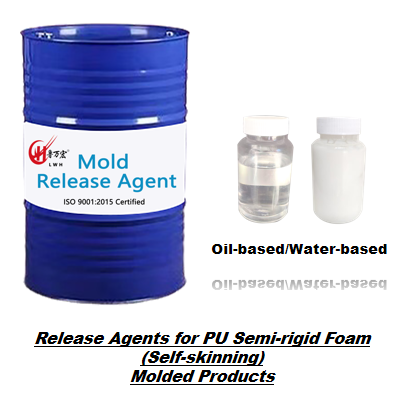
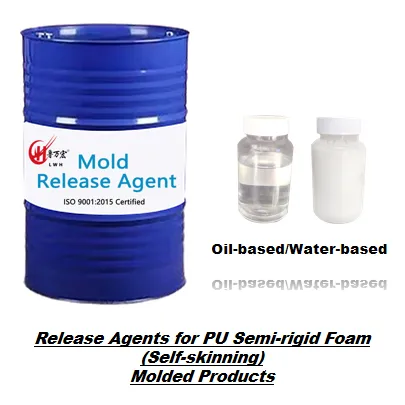
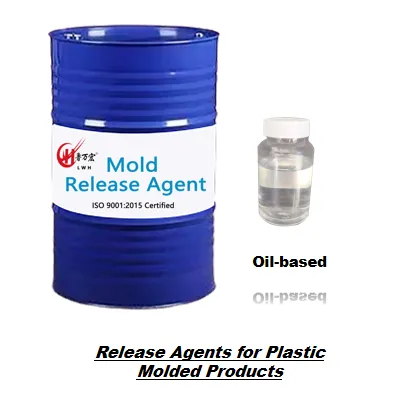
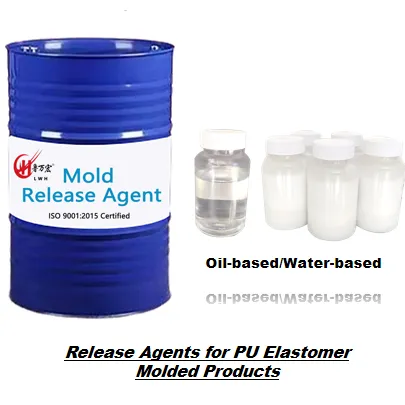
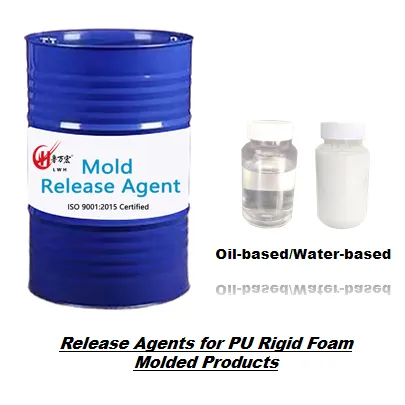
Polyurethane mold release represents a crucial component in modern manufacturing processes, serving as a specialized coating that prevents adhesion between polyurethane materials and mold surfaces. This chemical solution creates an effective barrier layer that ensures clean part removal while maintaining the integrity of both the finished product and the mold itself. The primary function of polyurethane mold release involves forming a thin, uniform film on mold surfaces that significantly reduces surface tension and prevents molecular bonding between the curing polyurethane and the mold material. This process is essential in various manufacturing sectors, including automotive parts production, foam manufacturing, elastomer casting, and prototype development. The technological features of polyurethane mold release include advanced chemical formulations that provide excellent thermal stability, allowing the product to perform effectively across a wide temperature range typically encountered in polyurethane processing operations. These formulations incorporate specialized silicone compounds, waxes, or synthetic polymers that create durable release properties without compromising the surface finish of molded parts. The release agent demonstrates exceptional compatibility with different polyurethane systems, including rigid foams, flexible foams, elastomers, and coatings. Modern polyurethane mold release products feature low volatile organic compound content, making them environmentally responsible choices for manufacturing facilities. The application methods for polyurethane mold release vary depending on the specific product type and manufacturing requirements, with options including spray application, brush-on techniques, and automated dispensing systems. These versatile application methods ensure consistent coverage and optimal performance across diverse production environments. The chemical composition of polyurethane mold release agents has evolved significantly, incorporating advanced additives that enhance durability, reduce buildup on mold surfaces, and extend the operational life between applications. This technological advancement translates into improved production efficiency and reduced maintenance requirements for manufacturing operations utilizing polyurethane materials.


New Product Releases

Polyurethane mold release offers numerous compelling advantages that directly benefit manufacturing operations and end-product quality. The most significant advantage lies in its ability to ensure consistent part removal without damage to either the molded component or the expensive tooling. This reliability translates into substantial cost savings by eliminating the need for frequent mold repairs or replacements that result from parts sticking to mold surfaces. The uniform application characteristics of polyurethane mold release create predictable results across multiple production cycles, enabling manufacturers to maintain quality standards while maximizing throughput. Another major advantage involves the exceptional surface finish preservation that polyurethane mold release provides. Unlike inferior release agents that can leave residues or create surface imperfections, high-quality polyurethane mold release maintains the original mold surface texture and detail reproduction in finished parts. This capability is particularly valuable in applications requiring precise surface characteristics or cosmetic appearance standards. The durability factor represents another significant advantage, as modern polyurethane mold release formulations can withstand multiple molding cycles before requiring reapplication. This extended service life reduces labor costs associated with frequent mold preparation and minimizes production downtime. The versatility of polyurethane mold release extends its advantages across diverse manufacturing scenarios, from small-scale prototyping to high-volume production runs. This adaptability eliminates the need for multiple specialized release agents, simplifying inventory management and reducing procurement costs. Environmental advantages include reduced emissions and improved workplace safety through low-VOC formulations that meet stringent regulatory requirements while protecting worker health. The ease of application represents a practical advantage that streamlines production workflows, with many polyurethane mold release products designed for quick, efficient application using standard equipment. Temperature resistance advantages ensure reliable performance across the thermal ranges typically encountered in polyurethane processing, maintaining effectiveness without degradation or loss of release properties. The chemical compatibility advantages allow polyurethane mold release to work effectively with various polyurethane formulations without causing adverse reactions or compromising cure characteristics. Cost-effectiveness emerges as a comprehensive advantage when considering the combined benefits of reduced waste, improved production efficiency, extended mold life, and consistent quality outcomes that polyurethane mold release delivers to manufacturing operations.

Practical Tips

What Makes Chinese Polyurethane Release Agent a Global Industry Choice?

23

Jul

What Makes Chinese Polyurethane Release Agent a Global Industry Choice?

Innovation and Affordability Drive Global Demand In the realm of industrial manufacturing, efficiency and precision are key elements in ensuring consistent production quality. The Chinese Polyurethane Release Agent has emerged as a pivotal solution t...
View More
What Makes Luwanhong Release Agent Stand Out in Manufacturing?

22

Sep

What Makes Luwanhong Release Agent Stand Out in Manufacturing?

Innovation and Excellence in Industrial Release Solutions In the ever-evolving landscape of industrial manufacturing, the choice of release agents plays a pivotal role in production efficiency and product quality. Luwanhong release agent has emerged ...
View More
Can Luwanhong Release Agent Ensure Better Surface Quality?

22

Sep

Can Luwanhong Release Agent Ensure Better Surface Quality?

Advanced Surface Quality Enhancement Through Industrial Release Agents The pursuit of perfect surface quality in manufacturing has long been a critical challenge across industries. Release agents play a fundamental role in achieving smooth, defect-fr...
View More
Can Oil Based Release Agent Ensure Smooth and Clean Releases?

22

Sep

Can Oil Based Release Agent Ensure Smooth and Clean Releases?

Understanding the Power of Oil Based Release Agents in Modern Construction The construction industry constantly seeks innovative solutions to enhance efficiency and quality in concrete work. Oil based release agents have emerged as a vital component ...
View More

Get a Free Quote

Our representative will contact you soon.
Email
Name
Company Name
Message
0/1000

polyurethane mold release

Superior Release Performance and Consistency

Superior Release Performance and Consistency

The exceptional release performance of polyurethane mold release stands as its most distinctive feature, delivering unmatched consistency that manufacturers can depend upon for critical production requirements. This superior performance stems from advanced chemical engineering that creates molecular-level barriers between polyurethane materials and mold surfaces, preventing adhesion while maintaining precise detail transfer. The consistency factor proves particularly valuable in high-volume manufacturing environments where variations in release performance can lead to costly production delays and quality issues. Professional-grade polyurethane mold release maintains its effectiveness across hundreds of molding cycles, providing predictable results that enable accurate production planning and scheduling. This reliability extends beyond simple part removal to encompass dimensional accuracy preservation, ensuring that molded components meet precise specifications without distortion or damage during demolding processes. The performance characteristics remain stable across varying environmental conditions, including temperature fluctuations and humidity changes that commonly occur in manufacturing facilities. Manufacturing operations benefit significantly from this consistency through reduced reject rates, minimized rework requirements, and improved overall equipment effectiveness. The superior release performance also extends mold life by preventing the mechanical stress and potential damage associated with difficult part removal situations. Quality control procedures become more streamlined when using reliable polyurethane mold release, as operators can focus on other critical parameters rather than constantly monitoring for release-related issues. The consistent performance translates into predictable cost structures for manufacturers, eliminating the unpredictable expenses associated with production disruptions caused by inadequate release agent performance. Long-term operational benefits include reduced training requirements for production staff, as the consistent behavior of quality polyurethane mold release creates standardized procedures that operators can master quickly and apply reliably across different production scenarios.
Enhanced Mold Protection and Longevity

Enhanced Mold Protection and Longevity

Polyurethane mold release provides exceptional mold protection capabilities that significantly extend tooling life while reducing maintenance costs and production interruptions. This protective function operates through multiple mechanisms that shield expensive mold surfaces from chemical attack, mechanical wear, and thermal stress associated with polyurethane processing operations. The protective barrier created by polyurethane mold release prevents direct contact between aggressive polyurethane chemicals and sensitive mold materials, particularly important when working with aluminum, steel, or composite tooling that can suffer from chemical etching or corrosion. This protection becomes critically important in high-temperature applications where thermal cycling can accelerate mold degradation without adequate barrier protection. The longevity benefits extend beyond simple surface protection to include preservation of fine mold details and surface textures that determine final part quality. Without proper release agent protection, these critical surface features can deteriorate rapidly, requiring expensive mold refurbishment or replacement. Manufacturing operations utilizing polyurethane mold release experience dramatically extended intervals between major mold maintenance procedures, resulting in improved production schedules and reduced capital equipment costs. The protective properties also prevent the buildup of polyurethane residues that can accumulate on mold surfaces over time, creating release difficulties and surface imperfections in subsequent parts. This buildup prevention eliminates the need for aggressive cleaning procedures that can damage delicate mold surfaces or require production shutdowns for extensive maintenance. Quality polyurethane mold release formulations include corrosion inhibitors and anti-oxidants that provide additional protection against environmental factors that can degrade mold surfaces during storage or extended production runs. The economic impact of enhanced mold protection becomes substantial when calculated across the operational lifetime of expensive tooling, with proper release agent use often extending mold life by 200-300 percent compared to operations using inferior or inappropriate release systems. Investment in quality polyurethane mold release represents a cost-effective insurance policy for valuable production tooling.
Versatile Application Methods and Operational Efficiency

Versatile Application Methods and Operational Efficiency

The versatility of application methods available for polyurethane mold release creates significant operational advantages that enhance manufacturing efficiency and adapt to diverse production requirements. Modern polyurethane mold release products accommodate multiple application techniques, including aerosol spraying, brush application, roller coating, and automated dispensing systems, allowing manufacturers to select the most appropriate method for their specific operational needs. This flexibility proves particularly valuable in facilities handling various part sizes, production volumes, and mold configurations that require different application approaches. Spray application methods provide rapid coverage for large mold surfaces or high-volume production scenarios, while brush techniques offer precision control for intricate mold details or selective application areas. The operational efficiency gains from versatile application methods extend beyond simple time savings to encompass improved quality control and reduced material waste. Automated dispensing systems can be programmed to deliver precise amounts of polyurethane mold release to specific mold areas, ensuring consistent coverage while minimizing excess material usage. This precision application capability becomes increasingly important as manufacturers focus on lean production principles and waste reduction initiatives. The quick-drying characteristics of modern polyurethane mold release formulations support rapid production cycles by minimizing the time required between application and mold loading, directly impacting throughput and production capacity. Training requirements for production staff remain minimal due to the straightforward application procedures associated with quality polyurethane mold release products, reducing the learning curve for new employees and enabling rapid deployment across multiple production shifts. The compatibility with existing production equipment eliminates the need for specialized application tools or extensive facility modifications, making implementation cost-effective for manufacturers of all sizes. Maintenance requirements for application equipment remain low when using properly formulated polyurethane mold release, as these products typically contain cleaning agents and anti-clogging additives that prevent buildup in spray nozzles and dispensing systems. The operational flexibility extends to storage and handling, with stable formulations that resist separation, settling, or degradation during normal warehouse storage conditions.

Get a Free Quote

Our representative will contact you soon.
Email
Name
Company Name
Message
0/1000