polyurethane rigid foam release agent
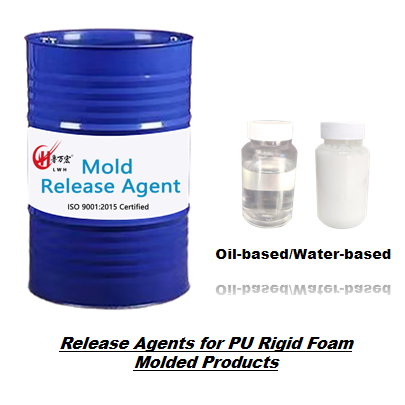
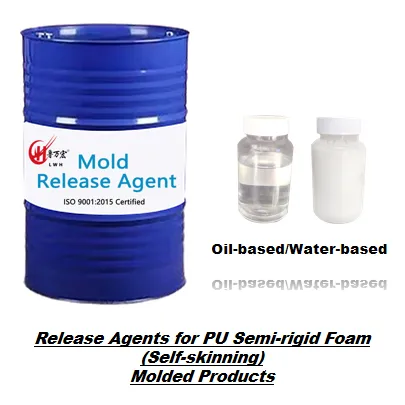
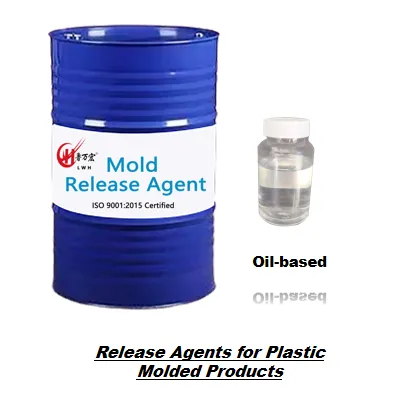
Polyurethane rigid foam release agent represents a specialized chemical solution designed to facilitate the smooth separation of cured polyurethane foam from mold surfaces during manufacturing processes. This essential additive serves as a barrier between the expanding foam and the mold cavity, preventing adhesion while maintaining the integrity of both the finished product and the production equipment. The primary function of polyurethane rigid foam release agent involves creating a thin, uniform film on mold surfaces that allows for effortless demolding without compromising the foam's structural properties or surface finish. Modern formulations utilize advanced chemistry to deliver consistent performance across various temperature ranges and processing conditions. The technological features of these release agents include excellent thermal stability, superior wetting characteristics, and compatibility with different mold materials including aluminum, steel, and composite surfaces. These agents typically contain carefully selected surfactants, lubricants, and film-forming polymers that work synergistically to provide optimal release properties. The application scope for polyurethane rigid foam release agent extends across multiple industries including construction, automotive, appliance manufacturing, and packaging sectors. In construction applications, these agents enable the production of insulation panels, architectural elements, and structural components with precise dimensions and smooth surfaces. Automotive manufacturers rely on polyurethane rigid foam release agent for producing bumper cores, headliners, and various interior components where consistent quality and rapid production cycles are essential. The appliance industry utilizes these agents in manufacturing refrigerator insulation, water heater cores, and HVAC components. Advanced formulations offer additional benefits such as reduced volatile organic compound emissions, improved operator safety, and enhanced environmental compatibility, making them suitable for modern sustainable manufacturing practices.

 EN
EN