
 EN
EN
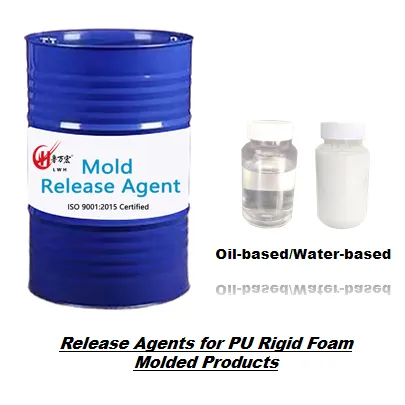
Manufacturing industries worldwide rely heavily on specialized chemical solutions to optimize their production processes and ensure consistent product quality. Among these critical components, PU release agent stands as an essential formulation that enables seamless demolding operations in polyurethane manufacturing. This specialized chemical compound prevents adhesion between the mold surface and the cured polyurethane product, facilitating easy removal without damage to either the mold or the finished item. The importance of selecting the right PU release agent cannot be overstated, as it directly impacts production efficiency, product surface quality, and overall manufacturing costs.
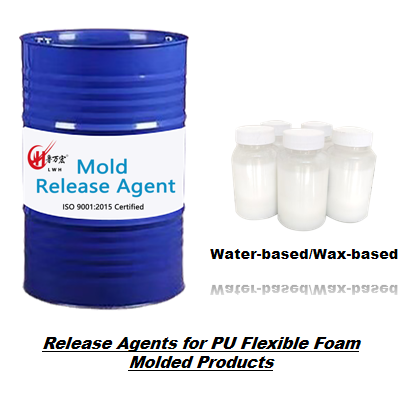
Industrial polyurethane production encompasses diverse applications ranging from flexible foam cushioning to rigid insulation panels, each requiring specific release agent characteristics. The chemical composition and application method of PU release agent must align perfectly with the intended end product to achieve optimal results. Modern manufacturing facilities increasingly demand release agents that not only provide effective demolding properties but also contribute to enhanced surface finishes and extended mold life cycles.
Understanding PU Release Agent Fundamentals
Chemical Composition and Properties
The fundamental chemistry behind PU release agent involves carefully balanced formulations that create a barrier layer between the mold surface and the polyurethane material. These specialized compounds typically contain silicone-based polymers, waxes, or fluoropolymer components that provide the necessary release characteristics without interfering with the polyurethane curing process. The molecular structure of effective PU release agent formulations ensures optimal surface tension properties that prevent adhesion while maintaining compatibility with various polyurethane systems.
Temperature resistance represents another crucial property of high-quality PU release agent products, as polyurethane processing often involves elevated temperatures that can compromise inferior formulations. Advanced release agents maintain their effectiveness across wide temperature ranges, ensuring consistent performance regardless of processing conditions. The thermal stability of PU release agent directly correlates with production reliability and mold protection, making this property essential for industrial applications.
Types and Classifications
Water-based PU release agent formulations have gained significant popularity due to their environmental friendliness and ease of application. These aqueous systems offer excellent coverage characteristics while minimizing volatile organic compound emissions, aligning with increasingly stringent environmental regulations. Water-based formulations typically require specific application techniques to ensure proper film formation and optimal release performance.
Solvent-based PU release agent products continue to serve specialized applications where rapid drying and superior penetration are required. These formulations often provide enhanced performance in challenging demolding scenarios, particularly when working with complex mold geometries or highly reactive polyurethane systems. The choice between water-based and solvent-based PU release agent depends on specific application requirements, environmental considerations, and processing conditions.
Industrial Applications and Benefits
Flexible Foam Manufacturing
The flexible foam industry represents one of the largest consumers of specialized PU release agent formulations, with applications spanning automotive seating, furniture cushioning, and bedding components. In these applications, the release agent must facilitate easy demolding while preserving the delicate cellular structure of the foam. Proper PU release agent selection ensures that foam products maintain their intended density and comfort characteristics without surface defects or dimensional irregularities.
Automotive manufacturers particularly value PU release agent products that contribute to consistent surface quality in seat cushions and interior components. The demanding automotive environment requires release agents that withstand high-volume production schedules while delivering uniform results across thousands of molding cycles. Advanced PU release agent formulations designed for automotive applications often incorporate additional properties such as anti-static characteristics and enhanced durability.
Rigid Foam Applications
Rigid polyurethane foam production for insulation panels and construction materials demands PU release agent formulations with exceptional thermal stability and chemical resistance. These applications often involve continuous or semi-continuous production processes where consistent release performance is critical for maintaining production efficiency. The selected PU release agent must perform reliably under the harsh chemical environment created by rigid foam formulations while ensuring optimal surface quality of the finished insulation products.
Construction industry applications require PU release agent products that contribute to dimensional accuracy and surface smoothness in architectural panels and building components. The release agent must not interfere with subsequent coating or bonding operations while providing reliable demolding performance across varying ambient conditions. Modern construction applications increasingly favor release agents that support sustainable manufacturing practices and contribute to green building certifications.
Selection Criteria and Performance Factors
Compatibility Assessment
Selecting the appropriate PU release agent requires careful evaluation of compatibility with specific polyurethane formulations and processing conditions. Chemical compatibility testing ensures that the release agent does not adversely affect cure kinetics, physical properties, or surface characteristics of the finished product. Comprehensive compatibility assessment includes evaluation of potential interactions between PU release agent components and catalysts, blowing agents, or other polyurethane system additives.
Mold material compatibility represents another critical factor in PU release agent selection, as different mold surfaces may require specific release agent characteristics for optimal performance. Aluminum, steel, and composite mold materials each present unique surface properties that influence release agent adhesion and effectiveness. Advanced PU release agent formulations are designed to accommodate various mold materials while maintaining consistent performance characteristics.
Performance Optimization
Application efficiency directly impacts the cost-effectiveness of PU release agent usage in industrial production environments. Proper application techniques, including spray pattern optimization and film thickness control, maximize the performance of release agent formulations while minimizing waste. Training programs for production personnel ensure consistent PU release agent application practices that deliver reliable results and extend mold service life.
Coverage characteristics and film durability determine the number of molding cycles achievable with each PU release agent application, directly affecting production costs and efficiency. High-performance release agents provide extended mold life between applications while maintaining consistent release properties throughout the service interval. This extended performance capability reduces production downtime and labor costs associated with frequent release agent reapplication.
Quality Control and Testing Methods
Performance Evaluation Standards
Standardized testing protocols for PU release agent evaluation ensure consistent performance assessment across different suppliers and formulations. These testing methods typically evaluate release force requirements, surface quality characteristics, and durability under simulated production conditions. Comprehensive performance evaluation includes assessment of release agent behavior under various temperature and humidity conditions that may be encountered in industrial production environments.
Quality control procedures for PU release agent application monitor film thickness, coverage uniformity, and curing characteristics to ensure optimal performance. Regular monitoring of these parameters helps identify potential issues before they impact production quality or efficiency. Advanced quality control systems incorporate automated monitoring equipment that provides real-time feedback on release agent application parameters.
Troubleshooting Common Issues
Inadequate release performance often results from improper PU release agent application or incompatibility with specific polyurethane formulations. Systematic troubleshooting approaches identify the root causes of release problems and implement corrective measures to restore optimal performance. Common issues include insufficient film thickness, contaminated mold surfaces, or chemical interactions between release agent and polyurethane components.
Surface defects in molded polyurethane products may indicate PU release agent compatibility issues or application problems requiring immediate attention. These defects can include surface roughness, color variations, or dimensional irregularities that compromise product quality. Proper diagnosis and correction of release agent-related surface defects prevent costly product rejection and maintain customer satisfaction.
Economic Impact and Cost Considerations
Production Efficiency Benefits
Effective PU release agent utilization significantly reduces production cycle times by eliminating demolding difficulties and associated downtime. Smooth demolding operations enabled by high-quality release agents allow manufacturers to achieve higher production rates while maintaining consistent product quality. The economic benefits of optimized release agent performance extend beyond immediate production efficiency to include reduced labor costs and improved equipment utilization.
Mold protection provided by appropriate PU release agent formulations extends mold service life and reduces replacement costs. Quality release agents form protective barriers that prevent polyurethane adhesion and chemical attack on mold surfaces, preserving dimensional accuracy and surface finish quality over extended service periods. This protection translates directly into reduced capital equipment costs and improved return on investment for manufacturing operations.
Total Cost of Ownership Analysis
Comprehensive cost analysis of PU release agent selection considers not only initial material costs but also application efficiency, performance longevity, and impact on overall production costs. Higher-performance release agents may justify premium pricing through reduced application frequency, improved product quality, and enhanced production efficiency. Total cost of ownership calculations help manufacturers make informed decisions that optimize long-term operational costs.
Waste reduction achieved through effective PU release agent utilization contributes significantly to overall manufacturing cost reduction. Proper release performance minimizes product rejection rates and reduces material waste associated with demolding difficulties. Environmental benefits of reduced waste generation align with corporate sustainability goals while providing measurable cost savings.
Future Developments and Innovation Trends
Advanced Formulation Technologies
Emerging technologies in PU release agent development focus on enhanced performance characteristics and environmental sustainability. Nanotechnology applications enable the creation of ultra-thin release films with superior performance properties, reducing material consumption while improving effectiveness. These advanced formulations incorporate nanoparticles that provide enhanced release characteristics and extended service life compared to conventional release agents.
Biodegradable PU release agent formulations represent a significant advancement in sustainable manufacturing practices. These environmentally friendly alternatives maintain performance characteristics comparable to traditional formulations while offering improved end-of-life disposal options. The development of biodegradable release agents supports corporate environmental initiatives and compliance with evolving environmental regulations.
Digital Integration and Smart Manufacturing
Integration of PU release agent application systems with digital manufacturing platforms enables precise control and monitoring of release agent parameters. Smart sensors and automated control systems optimize application rates, monitor film thickness, and predict maintenance requirements to ensure consistent performance. These digital integration capabilities support Industry 4.0 initiatives while improving production efficiency and quality control.
Predictive maintenance algorithms analyze PU release agent performance data to optimize application schedules and prevent production disruptions. Machine learning systems process historical performance data to identify patterns and predict optimal release agent application timing, reducing waste and maximizing production efficiency. These advanced analytics capabilities provide manufacturers with valuable insights for continuous process improvement.
FAQ
What factors determine the optimal PU release agent for specific applications?
The selection of optimal PU release agent depends on several critical factors including the specific polyurethane formulation, mold material, processing temperature, production volume, and desired surface finish quality. Compatibility with the polyurethane system ensures that the release agent does not interfere with curing chemistry or final product properties. Additionally, consideration of environmental requirements, application method preferences, and cost constraints helps determine the most suitable release agent formulation for each specific application.
How does application technique affect PU release agent performance?
Proper application technique significantly influences PU release agent effectiveness, with factors such as spray pattern, film thickness, and curing time directly impacting performance. Uniform coverage ensures consistent release characteristics across the entire mold surface, while appropriate film thickness provides optimal release properties without excess material waste. Adequate curing time allows the release agent to form a stable barrier layer that maintains effectiveness throughout multiple molding cycles, maximizing both performance and cost efficiency.
What are the key performance indicators for evaluating PU release agent effectiveness?
Key performance indicators for PU release agent evaluation include release force requirements, number of successful demolding cycles per application, surface quality of molded products, and mold condition after extended use. Low release forces indicate effective barrier formation between the mold and polyurethane, while extended cycle life demonstrates durability and cost effectiveness. Surface quality metrics assess the impact of release agent on product appearance and dimensional accuracy, ensuring that performance optimization does not compromise final product quality.
How do environmental regulations impact PU release agent selection and usage?
Environmental regulations increasingly influence PU release agent selection, with emphasis on reducing volatile organic compound emissions and improving disposal characteristics. Water-based formulations often provide compliance advantages while maintaining acceptable performance levels for many applications. Manufacturers must balance environmental compliance requirements with performance needs, often leading to adoption of advanced formulations that meet both regulatory standards and operational requirements. Proper disposal procedures and waste minimization strategies also play important roles in environmental compliance for release agent usage.
Table of Contents
- Understanding PU Release Agent Fundamentals
- Industrial Applications and Benefits
- Selection Criteria and Performance Factors
- Quality Control and Testing Methods
- Economic Impact and Cost Considerations
- Future Developments and Innovation Trends
-
FAQ
- What factors determine the optimal PU release agent for specific applications?
- How does application technique affect PU release agent performance?
- What are the key performance indicators for evaluating PU release agent effectiveness?
- How do environmental regulations impact PU release agent selection and usage?