
 EN
EN
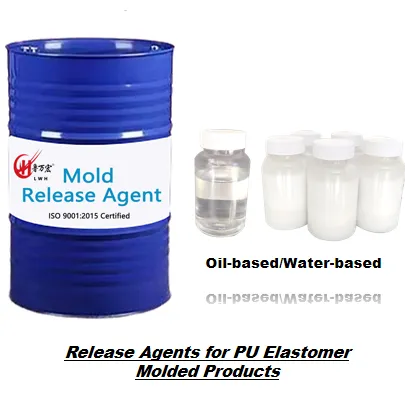
The manufacturing industry stands at a critical crossroads where environmental sustainability and operational performance must converge harmoniously. As regulatory pressures intensify and consumer awareness grows, companies across various sectors are increasingly challenged to develop solutions that deliver exceptional results while minimizing ecological impact. This transformation is particularly evident in the realm of chemical manufacturing, where traditional approaches are being reimagined to meet the demands of a more environmentally conscious marketplace. The evolution of manufacturing processes requires innovative thinking and strategic adaptation to ensure long-term viability and competitive advantage.

Environmental Considerations in Modern Manufacturing
Sustainable Chemistry Principles
The adoption of green chemistry principles has become fundamental to modern manufacturing operations. Companies are actively seeking ways to reduce volatile organic compounds, minimize waste generation, and implement closed-loop systems that maximize resource efficiency. These initiatives require careful evaluation of existing processes and the development of alternative methodologies that maintain or enhance product quality while reducing environmental footprint. The transition toward sustainable practices often involves significant investment in research and development, but the long-term benefits extend beyond regulatory compliance to include cost savings and improved brand reputation.
Environmental stewardship in manufacturing encompasses multiple dimensions, including raw material selection, energy consumption, waste management, and end-of-life product considerations. Organizations are implementing comprehensive lifecycle assessments to identify opportunities for improvement throughout their value chains. This holistic approach enables manufacturers to make informed decisions about process modifications and material substitutions that align with sustainability objectives while preserving operational effectiveness.
Regulatory Framework Evolution
The regulatory landscape continues to evolve rapidly, with new standards and requirements emerging regularly across different jurisdictions. Manufacturers must stay ahead of these developments to ensure continued market access and avoid costly compliance issues. The trend toward stricter environmental regulations reflects growing scientific understanding of chemical impacts and increased public pressure for corporate responsibility. Companies that proactively adapt to these changing requirements often gain competitive advantages through early adoption of compliant technologies and processes.
International harmonization of environmental standards is gradually reducing regulatory complexity, but manufacturers operating in multiple markets must still navigate diverse requirements. This complexity necessitates robust compliance management systems and ongoing monitoring of regulatory developments. Forward-thinking organizations are engaging with regulatory bodies and industry associations to influence policy development and ensure that new standards are practical and achievable while maintaining environmental protection objectives.
Performance Optimization Strategies
Efficiency Enhancement Techniques
Achieving optimal performance in manufacturing operations requires systematic analysis of existing processes and identification of improvement opportunities. Modern manufacturers are leveraging advanced analytics and digital technologies to optimize production parameters and minimize variability. These data-driven approaches enable precise control of critical variables and facilitate continuous improvement initiatives that enhance both quality and efficiency. The integration of sensors, automation systems, and artificial intelligence creates opportunities for real-time optimization and predictive maintenance strategies.
Performance optimization extends beyond individual process improvements to encompass entire production systems. Manufacturers are implementing lean manufacturing principles, reducing setup times, and optimizing material flows to maximize throughput and minimize waste. These systematic approaches to efficiency enhancement often reveal unexpected opportunities for improvement and create synergies between different operational areas. The result is improved overall equipment effectiveness and reduced production costs.
Quality Assurance Methodologies
Maintaining consistent product quality while implementing environmental improvements requires robust quality assurance systems. Manufacturers are developing comprehensive testing protocols that validate the performance of environmentally friendly alternatives before full-scale implementation. These methodologies include accelerated aging tests, performance benchmarking, and field trials that provide confidence in new formulations and processes. The investment in thorough validation ensures that environmental improvements do not compromise product reliability or customer satisfaction.
Advanced quality control systems incorporate statistical process control, automated inspection technologies, and predictive quality models that identify potential issues before they affect finished products. These proactive approaches to quality management reduce scrap rates, minimize rework, and improve customer confidence. The integration of quality data with environmental metrics enables manufacturers to optimize both performance and sustainability simultaneously, creating value propositions that appeal to environmentally conscious customers.
Innovative Chemical Solutions
Bio-Based Material Development
The development of bio-based alternatives represents a significant opportunity for manufacturers to reduce their environmental impact while maintaining or improving performance characteristics. Research into renewable feedstocks and biotechnology processes is yielding innovative solutions that can replace traditional petroleum-derived materials. These bio-based options often exhibit unique properties that can enhance product performance in specific applications while providing clear environmental benefits. The challenge lies in scaling these technologies to commercial volumes while maintaining cost competitiveness.
Collaboration between chemical manufacturers, biotechnology companies, and end-users is accelerating the development and adoption of bio-based solutions. These partnerships facilitate knowledge transfer, risk sharing, and market development activities that support the transition to more sustainable materials. Release agents derived from renewable sources are increasingly available and demonstrate comparable or superior performance to conventional alternatives in many applications. The continued advancement of biotechnology and process optimization is expected to expand the range of available bio-based options significantly.
Advanced Formulation Technologies
Modern formulation science enables the development of products that optimize multiple performance parameters simultaneously. Advanced computational modeling and high-throughput screening techniques accelerate the identification of optimal formulations that balance environmental and performance requirements. These technologies allow manufacturers to explore vast chemical spaces efficiently and identify novel combinations that may not be apparent through traditional development approaches. The result is innovative products that exceed customer expectations while meeting stringent environmental criteria.
Nanotechnology and molecular engineering are opening new possibilities for creating release agents with enhanced functionality and reduced environmental impact. These advanced materials can provide superior performance at lower application rates, reducing overall chemical usage while improving process efficiency. The precision offered by these technologies enables the design of products with specific properties tailored to individual applications, maximizing value for end-users while minimizing environmental footprint.
Industry Applications and Case Studies
Automotive Manufacturing Excellence
The automotive industry exemplifies the successful integration of environmental responsibility and performance excellence. Manufacturers in this sector have implemented comprehensive sustainability programs that address every aspect of vehicle production, from material selection to end-of-life recycling. The use of advanced release agents in automotive applications demonstrates how specialized chemical products can contribute to both environmental objectives and manufacturing efficiency. These products enable the production of high-quality components while reducing waste and improving worker safety.
Automotive manufacturers are increasingly demanding release agents that provide consistent performance across diverse operating conditions while meeting strict environmental standards. This demand has driven innovation in formulation chemistry and application technologies, resulting in products that deliver superior demolding performance with reduced environmental impact. The adoption of water-based and low-VOC release agents has become standard practice in many automotive facilities, demonstrating the feasibility of combining environmental responsibility with operational excellence.
Aerospace Industry Innovations
Aerospace manufacturing requires the highest levels of quality and reliability, making it an ideal testing ground for advanced release agents that balance performance and environmental considerations. The stringent requirements of aerospace applications have driven the development of specialized formulations that provide exceptional release properties while meeting strict safety and environmental standards. These products must perform consistently under extreme conditions while maintaining long-term stability and reliability.
The aerospace industry's commitment to sustainability has accelerated the adoption of environmentally friendly release agents that do not compromise performance or safety. Manufacturers in this sector are working closely with chemical suppliers to develop customized solutions that meet specific application requirements while supporting broader sustainability objectives. The success of these collaborations demonstrates the potential for innovation when environmental and performance goals are aligned from the outset of product development.
Future Technology Trends
Digital Integration and Smart Manufacturing
The integration of digital technologies into manufacturing operations is creating new opportunities to optimize the balance between environmental impact and performance. Smart sensors and IoT devices enable real-time monitoring of chemical usage, environmental conditions, and product quality, facilitating precise control and optimization of release agents application. These technologies provide unprecedented visibility into manufacturing processes and enable data-driven decision-making that supports both environmental and performance objectives.
Artificial intelligence and machine learning algorithms are being deployed to optimize chemical formulations and application parameters automatically. These systems can identify optimal operating conditions that minimize environmental impact while maximizing performance, continuously learning and adapting to changing conditions. The result is more efficient use of release agents and improved consistency of manufacturing outcomes, supporting both sustainability and quality objectives.
Circular Economy Implementation
The transition toward circular economy principles is reshaping how manufacturers approach product design and process optimization. This paradigm shift emphasizes waste elimination, material recovery, and lifecycle extension, creating new opportunities for innovative release agents that support these objectives. Companies are developing closed-loop systems that capture and reuse chemicals, reducing both environmental impact and operating costs.
Collaboration across value chains is essential for successful circular economy implementation, requiring coordination between chemical suppliers, manufacturers, and waste management companies. Release agents that are designed for easy recovery and reuse enable more efficient circular processes while maintaining the performance standards required for high-quality manufacturing. The development of biodegradable and compostable release agents further supports circular economy objectives by eliminating waste disposal concerns.
Economic Implications and Market Dynamics
Cost-Benefit Analysis Frameworks
The economic evaluation of environmental improvements requires comprehensive cost-benefit analysis that considers both direct and indirect impacts. While environmentally friendly release agents may have higher initial costs, they often provide long-term savings through improved efficiency, reduced waste disposal costs, and enhanced regulatory compliance. Manufacturers are developing sophisticated financial models that capture these diverse benefits and support investment decisions in sustainable technologies.
Market dynamics are increasingly favoring products that combine environmental benefits with superior performance characteristics. Customers are willing to pay premiums for solutions that support their own sustainability objectives while delivering reliable results. This trend is driving innovation and investment in advanced release agents that meet these dual requirements, creating new market opportunities for forward-thinking suppliers and manufacturers.
Supply Chain Optimization
Supply chain resilience and sustainability are becoming increasingly important considerations in chemical procurement and management. Manufacturers are evaluating suppliers based on environmental performance, innovation capabilities, and long-term viability in addition to traditional factors like cost and quality. This shift is encouraging chemical suppliers to invest in sustainable technologies and transparent reporting systems that demonstrate their commitment to environmental responsibility.
Local sourcing and regional supply chains are gaining importance as companies seek to reduce transportation-related emissions and improve supply security. Release agents manufactured using local resources and shorter supply chains can offer environmental benefits while reducing logistics costs and delivery risks. The development of regional manufacturing capabilities supports both environmental objectives and supply chain resilience, creating value for manufacturers and communities alike.
FAQ
What factors should manufacturers consider when selecting environmentally friendly release agents
Manufacturers should evaluate multiple factors including performance characteristics, environmental impact, regulatory compliance, and total cost of ownership. Key performance metrics include release efficiency, surface quality, and durability under operating conditions. Environmental considerations encompass VOC content, biodegradability, and lifecycle impact. Regulatory compliance requirements vary by region and application, making it essential to verify that selected products meet all applicable standards. Total cost analysis should include purchase price, application efficiency, waste disposal costs, and potential productivity improvements to provide a comprehensive economic evaluation.
How do bio-based release agents compare to traditional formulations in terms of performance
Modern bio-based release agents often match or exceed the performance of traditional formulations while providing clear environmental benefits. Advances in biotechnology and formulation science have enabled the development of renewable alternatives that deliver consistent release properties, excellent surface quality, and long-term stability. Some bio-based products offer unique advantages such as improved compatibility with specific substrates or enhanced safety profiles. Performance comparison should be conducted under actual operating conditions to validate effectiveness and identify any application-specific considerations that may influence product selection.
What role does digitalization play in optimizing chemical usage and environmental impact
Digital technologies enable precise monitoring and control of chemical application processes, facilitating optimization of both performance and environmental impact. Smart sensors provide real-time feedback on application rates, environmental conditions, and product quality, enabling automatic adjustments to maintain optimal performance while minimizing waste. Data analytics and machine learning algorithms can identify patterns and optimization opportunities that may not be apparent through manual observation. Digital systems also support compliance monitoring and reporting, providing documentation of environmental performance and regulatory adherence.
How can manufacturers prepare for future regulatory changes affecting release agents
Proactive regulatory preparation involves monitoring emerging regulations, engaging with industry associations, and implementing flexible systems that can adapt to changing requirements. Manufacturers should establish relationships with chemical suppliers who invest in regulatory compliance and product development to ensure access to compliant products as regulations evolve. Investment in testing and validation capabilities enables rapid evaluation of alternative products when regulatory changes occur. Participation in industry working groups and regulatory consultations provides early insight into potential changes and opportunities to influence policy development in practical directions.
Table of Contents
- Environmental Considerations in Modern Manufacturing
- Performance Optimization Strategies
- Innovative Chemical Solutions
- Industry Applications and Case Studies
- Future Technology Trends
- Economic Implications and Market Dynamics
-
FAQ
- What factors should manufacturers consider when selecting environmentally friendly release agents
- How do bio-based release agents compare to traditional formulations in terms of performance
- What role does digitalization play in optimizing chemical usage and environmental impact
- How can manufacturers prepare for future regulatory changes affecting release agents