
 EN
EN
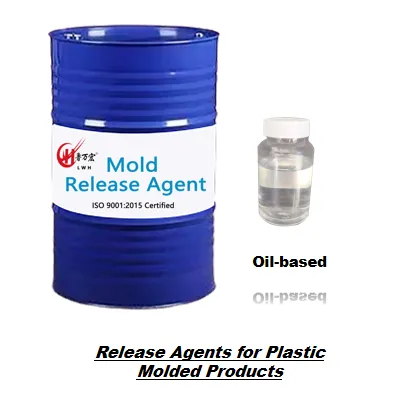
Polyurethane manufacturing processes require specialized chemical solutions to ensure successful product molding and demolding operations. Among the most critical components in this manufacturing chain are PU release agents, which serve as essential intermediaries between molds and finished products. These specialized formulations prevent adhesion between polyurethane materials and mold surfaces, enabling clean separation and maintaining product integrity. Understanding proper storage and handling procedures for these chemical compounds is paramount for manufacturing efficiency, worker safety, and product quality.
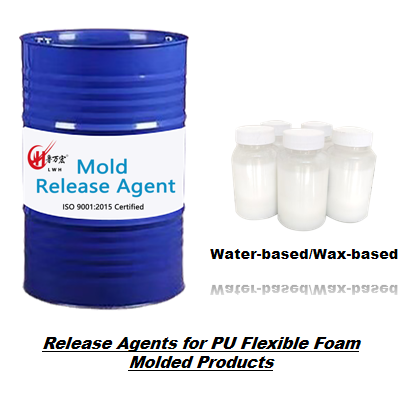
Understanding PU Release Agent Composition and Properties
Chemical Structure and Functionality
PU release agents typically consist of various chemical components designed to create a barrier layer between polyurethane materials and mold surfaces. These formulations often contain silicone-based compounds, fluorinated materials, or specialized wax derivatives that provide excellent release properties. The molecular structure of these agents determines their effectiveness in preventing adhesion while maintaining surface quality of molded products. Understanding these compositional elements helps manufacturers select appropriate storage conditions and handling protocols.
The chemical stability of PU release agents depends largely on their specific formulation and intended application. Some agents are designed for high-temperature processes, while others work effectively at room temperature conditions. Temperature sensitivity directly impacts storage requirements, as exposure to extreme heat or cold can alter the chemical properties and reduce effectiveness. Manufacturers must consider these factors when establishing storage protocols to maintain product performance throughout its shelf life.
Physical Properties and Storage Implications
Physical characteristics of PU release agents, including viscosity, flash point, and vapor pressure, significantly influence storage and handling requirements. Lower viscosity formulations may require different containment systems compared to thicker, paste-like materials. Flash point considerations determine fire safety protocols and storage location requirements within manufacturing facilities. These properties also affect application methods and equipment cleaning procedures.
Vapor pressure characteristics of PU release agents determine ventilation requirements during storage and handling operations. Higher vapor pressure materials may require enhanced ventilation systems to prevent accumulation of potentially harmful vapors in enclosed spaces. Understanding these properties enables facility managers to design appropriate storage areas that maintain product integrity while ensuring worker safety and regulatory compliance.
Safe Storage Protocols and Environmental Controls
Temperature and Humidity Management
Optimal storage conditions for PU release agents typically require controlled temperature environments ranging from 15 to 25 degrees Celsius. Temperature fluctuations can cause phase separation, viscosity changes, or chemical degradation that compromises product performance. Storage areas should maintain consistent temperatures using appropriate heating, ventilation, and air conditioning systems. Monitoring systems with alarm capabilities help ensure temperature stability and provide early warning of environmental deviations.
Humidity control represents another critical factor in PU release agent storage protocols. Many formulations are sensitive to moisture absorption, which can lead to performance degradation or unwanted chemical reactions. Relative humidity levels should typically be maintained below 50 percent to prevent moisture-related issues. Dehumidification systems and vapor barriers help create optimal storage environments that preserve product quality over extended periods.
Container Selection and Integrity
Appropriate container materials play a crucial role in maintaining PU release agent quality during storage periods. Chemical compatibility between container materials and stored products prevents degradation, contamination, or unwanted reactions. Stainless steel, high-density polyethylene, or specialized polymer containers are commonly used depending on specific product formulations. Container selection should consider chemical resistance, temperature stability, and long-term durability requirements.
Regular inspection protocols ensure container integrity throughout storage periods. Visual inspections should identify signs of corrosion, cracking, or seal deterioration that could compromise product quality or create safety hazards. Inspection schedules should be established based on container materials, stored product characteristics, and environmental conditions. Documentation of inspection results provides valuable data for maintenance planning and regulatory compliance purposes.
Handling Procedures and Safety Protocols
Personal Protective Equipment Requirements
Workers handling PU release agents must utilize appropriate personal protective equipment to prevent skin contact, inhalation, or eye exposure to potentially harmful chemicals. Basic PPE requirements typically include chemical-resistant gloves, safety glasses or goggles, and protective clothing made from appropriate materials. Respiratory protection may be necessary when working with volatile formulations or in enclosed spaces with limited ventilation.
Selection of appropriate glove materials requires understanding of chemical compatibility between glove polymers and specific PU release agents being handled. Nitrile, neoprene, or specialized chemical-resistant materials provide protection against various formulations. Glove breakthrough times should be considered when establishing work procedures and replacement schedules. Regular training ensures workers understand proper PPE selection, use, and maintenance requirements.
Transfer and Dispensing Operations
Safe transfer procedures minimize spill risks while maintaining product quality during handling operations. Closed-system transfer methods using pumps, valves, and sealed connections reduce worker exposure and prevent contamination. Gravity-fed systems should incorporate appropriate flow controls and containment measures to prevent overfilling or accidental discharge. Transfer equipment should be regularly inspected and maintained to ensure reliable operation.
Dispensing operations require careful attention to measurement accuracy and contamination prevention. Dedicated dispensing equipment prevents cross-contamination between different PU release agents or other chemicals. Calibrated measuring devices ensure consistent application rates and reduce waste. Clean-in-place systems or removable components facilitate thorough cleaning between product changes or maintenance periods.
Contamination Prevention and Quality Control
Isolation and Segregation Practices
Effective segregation prevents contamination between different PU release agents and incompatible chemicals stored in the same facility. Physical separation using designated storage areas, barriers, or separate buildings reduces cross-contamination risks. Chemical compatibility charts guide storage arrangement decisions and help identify potentially hazardous combinations. Clear labeling and documentation systems prevent accidental mixing or misidentification.
Dedicated handling equipment and tools prevent cross-contamination during dispensing and application operations. Color-coding systems, equipment labeling, and designated storage areas help maintain separation between different products. Regular cleaning protocols remove residual materials that could compromise product purity or performance. Staff training emphasizes the importance of contamination prevention and proper equipment use procedures.
Quality Monitoring and Testing
Regular quality testing ensures PU release agents maintain their specified properties throughout storage and handling operations. Testing protocols should address key performance parameters including release effectiveness, surface finish quality, and chemical stability indicators. Sampling procedures must prevent contamination while obtaining representative samples for analysis. Testing schedules should consider product shelf life, storage conditions, and application requirements.
Documentation systems track quality test results, storage conditions, and handling history for each batch of PU release agents. Trend analysis helps identify potential issues before they affect product performance or safety. Corrective action procedures address deviations from specifications and prevent recurrence of quality problems. Regular review of quality data supports continuous improvement in storage and handling practices.
Emergency Procedures and Incident Response
Spill Response and Cleanup
Comprehensive spill response procedures minimize environmental impact and worker exposure during accidental releases of PU release agents. Response plans should address different spill scenarios including small container leaks, major equipment failures, and transportation incidents. Emergency response teams require training on appropriate cleanup materials, containment methods, and disposal procedures specific to different product formulations.
Cleanup materials and equipment should be readily available in areas where PU release agents are stored or handled. Absorbent materials, containment systems, and neutralizing agents must be compatible with specific product formulations. Post-incident procedures include proper disposal of contaminated materials, area decontamination, and incident documentation. Regular drills ensure response team readiness and identify opportunities for procedure improvements.
Fire Safety and Emergency Response
Fire safety protocols address the flammable nature of many PU release agents and establish appropriate suppression systems and evacuation procedures. Fire suppression systems should be compatible with stored chemicals and avoid water-based systems that could spread flammable liquids. Emergency response plans coordinate with local fire departments and provide detailed information about stored materials and potential hazards.
Emergency communication systems ensure rapid notification of incidents and coordination of response activities. Communication plans should include internal notification procedures, external emergency services contacts, and regulatory reporting requirements. Regular updates to emergency contact information and response procedures maintain system effectiveness. Training programs ensure all personnel understand their roles during emergency situations.
Regulatory Compliance and Documentation
Safety Data Sheet Management
Safety Data Sheets provide essential information for safe storage and handling of PU release agents and must be readily accessible to all personnel working with these materials. SDS documents contain critical data including hazard identification, safe handling procedures, storage requirements, and emergency response information. Regular updates ensure information remains current with regulatory requirements and manufacturer specifications.
Electronic SDS management systems facilitate easy access to current information while maintaining revision history and distribution records. Training programs ensure workers understand how to interpret SDS information and apply safety recommendations to their specific work activities. Documentation systems track SDS distribution, training completion, and periodic review activities to demonstrate regulatory compliance.
Inventory Management and Record Keeping
Accurate inventory management systems track quantities, locations, and condition of stored PU release agents while supporting regulatory reporting requirements. Inventory systems should monitor product age, usage rates, and shelf life considerations to prevent degradation and waste. Automated systems can provide alerts for reorder points, expiration dates, and maintenance schedules.
Record keeping requirements vary by jurisdiction but typically include storage conditions, handling procedures, training documentation, and incident reports. Electronic record systems facilitate data retrieval, trend analysis, and regulatory reporting while reducing administrative burden. Regular audits verify record accuracy and completeness while identifying opportunities for system improvements.
FAQ
What is the typical shelf life of PU release agents?
The shelf life of PU release agents varies significantly depending on their chemical composition, storage conditions, and packaging materials. Most formulations maintain their effectiveness for 12 to 24 months when stored under recommended conditions. Factors that can reduce shelf life include exposure to extreme temperatures, contamination, or improper container sealing. Regular quality testing helps determine actual shelf life under specific storage conditions and ensures product performance meets requirements.
How often should storage areas for PU release agents be inspected?
Storage areas should be inspected at least monthly to verify proper environmental conditions, container integrity, and housekeeping standards. More frequent inspections may be necessary for high-risk formulations or areas with challenging environmental conditions. Daily checks of critical parameters like temperature and ventilation help identify issues before they affect product quality. Annual comprehensive audits should evaluate overall storage system effectiveness and identify improvement opportunities.
What are the most common handling mistakes that affect PU release agent performance?
Common handling mistakes include contamination from dirty equipment, improper mixing procedures, and exposure to incompatible materials. Overfilling containers can lead to spillage and waste while underfilling may allow air exposure that degrades product quality. Inadequate cleaning between different products can cause cross-contamination that affects release performance. Temperature abuse during handling or storage represents another frequent issue that compromises product effectiveness.
Are there specific ventilation requirements for PU release agent storage areas?
Ventilation requirements depend on the specific formulation and vapor characteristics of stored PU release agents. Areas storing volatile formulations typically require mechanical ventilation systems that provide air changes sufficient to prevent vapor accumulation. Exhaust systems should be designed to capture vapors at their source and prevent worker exposure. Local building codes and occupational health regulations may establish minimum ventilation rates based on stored quantities and chemical properties.