
 EN
EN
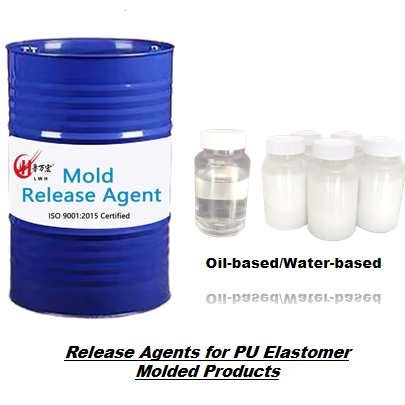
The selection of appropriate release agents for PU elastomer molded products represents a critical decision point in modern manufacturing processes. Cast polyurethane elastomers offer exceptional mechanical properties and chemical resistance, making them indispensable across automotive, industrial, and consumer applications. However, achieving consistent demolding performance while maintaining surface quality requires careful consideration of release agent chemistry, application methods, and compatibility factors that directly impact production efficiency and final product specifications.
Understanding Polyurethane Elastomer Release Challenges
Chemical Adhesion Mechanisms in PU Systems
Polyurethane elastomers exhibit strong adhesive properties due to their polar urethane linkages and hydrogen bonding capabilities. During the curing process, these materials tend to form intimate contact with mold surfaces, creating adhesion forces that can complicate demolding operations. The molecular structure of PU elastomers includes both hard and soft segments, with the hard segments contributing to adhesion strength through van der Waals forces and potential chemical interactions with metal mold surfaces.
Temperature fluctuations during the casting and curing cycle further complicate the demolding process. As PU elastomers cool from processing temperatures, thermal contraction can increase the contact pressure between the part and mold surface. This phenomenon necessitates the use of specialized release agents for PU elastomer applications that can maintain effectiveness across varying thermal conditions while providing consistent lubrication properties.
Surface Energy Considerations
The surface energy differential between polyurethane elastomers and mold materials plays a fundamental role in adhesion behavior. High-energy mold surfaces, particularly those made from aluminum or steel, tend to promote stronger adhesion with PU materials. Effective release agents work by creating a low-energy interface that reduces the thermodynamic driving force for adhesion, enabling clean part separation without surface defects or mold damage.
Understanding the critical surface tension values of both the elastomer and mold system allows for better selection of release agents for PU elastomer molding operations. Modern release formulations incorporate specific surfactant technologies designed to modify surface energy relationships while maintaining chemical compatibility with polyurethane chemistry throughout the curing cycle.
Types of Release Agent Technologies
Silicone-Based Release Systems
Silicone-based release agents represent the most widely adopted technology for PU elastomer applications due to their exceptional thermal stability and low surface energy characteristics. These formulations typically utilize polydimethylsiloxane (PDMS) backbones with various functional modifications to enhance performance. The inherently low surface tension of silicone materials creates an effective barrier between the curing elastomer and mold surface, facilitating clean demolding operations.
Advanced silicone release agents for PU elastomer processing incorporate reactive functionalities that enable limited crosslinking during application. This crosslinking mechanism helps establish durable release films that can withstand multiple molding cycles without significant degradation. However, careful consideration must be given to potential silicone contamination issues, particularly in applications where subsequent painting or bonding operations are required.
Fluoropolymer Release Technologies
Fluoropolymer-based release agents offer superior chemical resistance and extremely low surface energy characteristics that make them particularly effective for challenging PU elastomer formulations. These systems typically utilize perfluorinated or partially fluorinated compounds that create virtually non-stick surfaces through their unique molecular structure. The carbon-fluorine bonds in these materials provide exceptional stability against chemical attack and thermal degradation.
The application of fluoropolymer release agents for PU elastomer molding requires specialized techniques due to their unique wetting characteristics. These materials often require elevated application temperatures or specific carrier solvents to achieve uniform coverage. While initially more expensive than alternative technologies, fluoropolymer systems often provide extended service life and superior performance in demanding applications.
Application Methods and Optimization
Spray Application Techniques
Spray application represents the most common method for applying release agents for PU elastomer molding operations due to its efficiency and ability to achieve uniform coverage across complex mold geometries. Proper spray technique requires attention to factors including nozzle selection, application pressure, spray pattern overlap, and coverage density to ensure consistent performance. Automated spray systems can provide enhanced repeatability while reducing labor costs and improving workplace safety.
The selection of appropriate carrier solvents significantly impacts spray application performance and final release effectiveness. Water-based systems offer environmental advantages and reduced fire hazard potential, while solvent-based formulations may provide superior wetting characteristics on certain mold surfaces. Temperature control during spray application helps optimize solvent evaporation rates and film formation characteristics for maximum release performance.
Brush and Wipe-On Methods
Manual application methods using brushes or cloth applicators provide precise control over release agent distribution, particularly valuable for complex mold geometries or localized treatment requirements. These techniques allow operators to vary application thickness based on specific mold characteristics and historical performance data. Brush application of release agents for PU elastomer systems requires careful attention to coverage uniformity to prevent inconsistent demolding performance.
The selection of appropriate application tools significantly impacts final performance outcomes. Natural bristle brushes may provide superior coverage characteristics for certain release formulations, while synthetic materials offer better chemical compatibility and durability. Microfiber cloths can achieve very thin, uniform films when properly utilized, though they require frequent cleaning or replacement to maintain effectiveness.
Performance Evaluation and Selection Criteria
Release Force Measurement
Quantitative assessment of release performance requires standardized testing protocols that measure the force required to separate molded parts from treated mold surfaces. These measurements provide objective data for comparing different release agents for PU elastomer applications and optimizing application parameters. Typical test methods involve controlled pulling or peeling operations using calibrated force measurement equipment.
The relationship between release force and mold surface preparation, application thickness, and cure conditions must be systematically evaluated to establish optimal operating parameters. Environmental factors including temperature and humidity during testing can significantly influence results, necessitating controlled testing conditions for meaningful comparative data. Long-term durability testing helps predict performance degradation over multiple molding cycles.
Surface Quality Assessment
Visual and tactile evaluation of molded part surfaces provides critical information about release agent performance and potential interactions with the elastomer system. Surface defects such as orange peel texture, transfer marks, or contamination spots indicate suboptimal release performance or compatibility issues. Advanced analytical techniques including surface profilometry can provide quantitative surface roughness measurements for objective quality assessment.
The impact of different release agents for PU elastomer processing on subsequent manufacturing operations must be carefully evaluated. Surface contamination from release agents can interfere with painting, printing, or bonding operations, potentially requiring additional cleaning steps that increase production costs. Compatibility testing with downstream processes should be conducted during the selection phase to avoid costly production issues.
Environmental and Safety Considerations
VOC Emissions and Regulatory Compliance
Modern manufacturing operations face increasingly stringent regulations regarding volatile organic compound emissions from industrial processes. The selection of release agents for PU elastomer applications must consider both current and anticipated regulatory requirements to ensure long-term compliance. Water-based formulations typically offer significant advantages in VOC reduction compared to traditional solvent-based systems.
Workplace exposure limits for various chemical components in release formulations require careful evaluation during product selection. Material Safety Data Sheet information provides essential guidance for establishing appropriate handling procedures and personal protective equipment requirements. Proper ventilation system design helps minimize worker exposure while maintaining effective application conditions for optimal release performance.
Waste Minimization Strategies
Efficient application techniques and proper product selection can significantly reduce waste generation and associated disposal costs in PU elastomer manufacturing operations. High-efficiency spray systems with reduced overspray characteristics help minimize material consumption while maintaining coverage quality. The development of longer-lasting release films reduces the frequency of reapplication, further reducing overall material usage and waste generation.
Recycling and reclamation opportunities for release agent containers and application equipment should be evaluated as part of comprehensive waste management programs. Some release agents for PU elastomer formulations incorporate biodegradable components that reduce long-term environmental impact, though performance trade-offs must be carefully evaluated during the selection process.
Troubleshooting Common Release Issues
Adhesion Problems and Solutions
Persistent adhesion problems in PU elastomer molding operations often result from inadequate surface preparation, incorrect application parameters, or chemical incompatibilities between the release agent and elastomer formulation. Systematic troubleshooting approaches involve isolating individual variables and testing modified conditions to identify root causes. Surface contamination from previous molding cycles can significantly impact release performance, necessitating thorough cleaning protocols.
Temperature-related adhesion issues frequently occur when mold temperatures exceed the thermal stability limits of the applied release film. Higher-temperature applications may require specialized high-temperature release agents for PU elastomer processing that maintain effectiveness under extreme thermal conditions. Cure schedule modifications may also help reduce adhesion tendencies by allowing more controlled thermal cycling during the demolding process.
Surface Defect Mitigation
Surface defects on molded elastomer parts can result from various release agent-related factors including uneven application, contamination, or chemical interactions with the PU system. Orange peel texture typically indicates solvent evaporation issues or incompatible carrier systems that interfere with proper film formation. Systematic adjustment of application parameters including spray distance, pressure, and environmental conditions can often resolve these issues.
Transfer marks or staining on molded parts may indicate excessive release agent application or chemical migration issues. Reducing application thickness while maintaining adequate coverage often resolves these problems. Alternative formulations with modified chemical compositions may be required for applications where surface quality requirements are particularly stringent, such as visible automotive components or medical device applications.
FAQ
How often should release agents be reapplied during production runs?
The reapplication frequency for release agents for PU elastomer molding depends on several factors including the specific formulation, mold material, cure conditions, and part geometry. High-performance semi-permanent release systems may provide effective performance for 50-100 molding cycles, while conventional spray-applied formulations typically require reapplication every 5-15 cycles. Monitoring release force trends and visual surface quality helps determine optimal reapplication intervals for specific production conditions.
Can different release agent types be mixed or layered for enhanced performance?
Mixing different release agent chemistries is generally not recommended due to potential compatibility issues and unpredictable performance characteristics. However, some manufacturers offer multi-component systems designed for sequential application to achieve enhanced durability or specialized performance characteristics. Layering incompatible chemistries can result in poor adhesion between layers, leading to film delamination and inconsistent release performance throughout production runs.
What mold surface treatments work best with PU elastomer release agents?
Proper mold surface preparation significantly impacts the effectiveness of release agents for PU elastomer applications. Smooth, polished surfaces generally provide the best release characteristics, though surface roughness requirements vary with specific release agent technologies. Chemical cleaning to remove residual contaminants followed by appropriate surface conditioning helps establish optimal conditions for release agent adhesion and performance. Some applications benefit from specialized mold coatings that enhance compatibility with specific release agent chemistries.
How do release agents affect the dimensional accuracy of molded PU parts?
Release agent film thickness can influence the dimensional accuracy of precision molded components, particularly in applications with tight tolerance requirements. Typical release films range from 0.1 to 2.0 micrometers in thickness, which may be significant for high-precision applications. Consistent application techniques and proper selection of low-build formulations help minimize dimensional variations. For critical applications, dimensional verification should be conducted after implementing new release agent systems to ensure compliance with specification requirements.