
 EN
EN
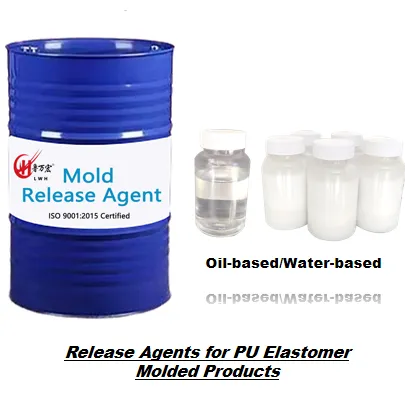
Memory foam manufacturing demands precision at every stage, particularly when it comes to achieving consistent surface texture across production runs. The role of release agents for memory foam cannot be understated, as these specialized chemical formulations directly influence the final product's aesthetic appeal, functional performance, and manufacturing efficiency. Modern foam manufacturers increasingly recognize that surface texture consistency represents a critical quality benchmark that affects both consumer satisfaction and market competitiveness.
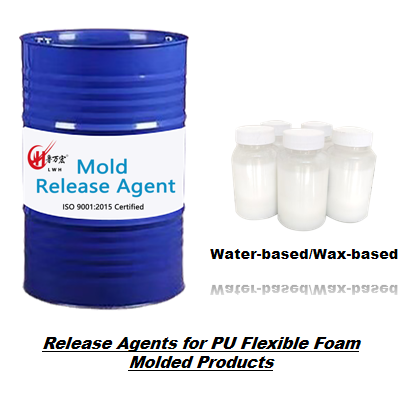
The manufacturing process of memory foam involves complex chemical reactions and physical transformations that occur within molding systems. During this process, the foam material bonds with mold surfaces, creating potential adhesion challenges that can compromise surface quality. Professional-grade release agents for memory foam serve as interfacial barriers, preventing unwanted adhesion while preserving the intended surface characteristics. These agents must balance multiple performance requirements, including thermal stability, chemical compatibility, and minimal impact on foam cell structure.
Industrial applications spanning automotive seating, medical devices, and consumer bedding products require exceptionally uniform surface textures to meet stringent quality standards. Variations in surface texture can lead to product rejection, increased manufacturing costs, and potential safety concerns in critical applications. The strategic selection and application of appropriate release agents becomes essential for maintaining production consistency and meeting customer expectations across diverse market segments.
Understanding Memory Foam Manufacturing Challenges
Mold Adhesion Issues in Production
Memory foam production presents unique challenges related to mold release, particularly when manufacturers aim to achieve specific surface textures. The viscoelastic properties of memory foam create strong adhesive forces with mold surfaces during the curing process. These adhesive forces can vary significantly based on temperature fluctuations, humidity levels, and chemical composition variations within individual production batches. Without proper release agent application, manufacturers often experience inconsistent demolding characteristics that directly impact surface texture uniformity.
Temperature control represents another critical factor influencing mold release performance. Memory foam curing typically occurs at elevated temperatures ranging from 100 to 150 degrees Celsius, creating thermal expansion dynamics that affect both mold dimensions and release agent effectiveness. Professional release agents for memory foam must maintain their protective properties throughout these temperature cycles while preventing thermal degradation that could compromise surface quality.
Chemical compatibility between foam formulations and release agents requires careful consideration during product development. Incompatible chemical interactions can result in surface defects, discoloration, or compromised foam cell structure. Modern release agents incorporate advanced surfactant technologies that minimize chemical interference while maximizing release performance across various foam chemistries.
Surface Texture Variability Factors
Surface texture consistency depends on numerous interconnected variables throughout the manufacturing process. Mold surface preparation, release agent application methodology, and curing parameters all contribute to final texture characteristics. Inconsistent application of release agents for memory foam can create localized variations in surface properties, leading to visible texture differences that affect product aesthetics and functional performance.
Environmental conditions within manufacturing facilities significantly influence surface texture outcomes. Humidity fluctuations can affect release agent film formation, while airborne contaminants may interfere with proper adhesion prevention. Controlled manufacturing environments that maintain consistent temperature, humidity, and cleanliness levels help optimize release agent performance and surface texture consistency.
Production equipment calibration and maintenance directly impact texture uniformity across manufacturing runs. Worn mold surfaces, inconsistent release agent spray patterns, or inadequate mixing equipment can introduce texture variations that compromise product quality. Regular equipment maintenance schedules and precision calibration protocols help minimize these variables and maintain consistent surface characteristics.
Chemical Composition and Performance Characteristics
Active Ingredient Technologies
Modern release agents for memory foam incorporate sophisticated chemical formulations designed to address specific manufacturing challenges. Silicone-based systems offer excellent thermal stability and low surface tension properties that facilitate effective mold release. These formulations typically contain modified siloxane polymers that create durable interfacial barriers without migrating into foam cellular structures or compromising material properties.
Fluorinated release agent technologies provide exceptional chemical resistance and non-stick properties, particularly valuable in challenging production environments. These advanced formulations demonstrate superior performance in high-temperature applications and maintain effectiveness across extended production cycles. The molecular structure of fluorinated compounds creates highly stable release films that resist degradation from chemical exposure or thermal stress.
Water-based release agent systems offer environmental advantages while maintaining effective release performance. These formulations utilize advanced emulsification technologies to deliver active ingredients in aqueous carriers, reducing volatile organic compound emissions and improving workplace safety. Environmental considerations increasingly influence release agent selection, driving demand for sustainable formulations that meet performance requirements without compromising environmental responsibility.
Performance Optimization Strategies
Optimization of release agent performance requires understanding the interaction between chemical composition and application parameters. Dilution ratios, application temperatures, and surface preparation methods all influence the effectiveness of release agents for memory foam in achieving consistent surface textures. Manufacturers must establish precise application protocols that account for these variables while maintaining production efficiency and cost effectiveness.
Film thickness control represents a critical parameter in release agent optimization. Insufficient film thickness may result in inadequate release performance, while excessive application can create surface defects or interfere with foam cell formation. Advanced application systems incorporate feedback mechanisms that monitor and control film thickness in real-time, ensuring optimal performance across varying production conditions.
Compatibility testing protocols help manufacturers select optimal release agent formulations for specific foam chemistries and production requirements. These testing procedures evaluate release effectiveness, surface quality, and potential chemical interactions under controlled laboratory conditions. Systematic compatibility evaluation reduces the risk of production issues and helps establish reliable performance baselines for manufacturing operations.
Application Methods and Process Control
Spray Application Techniques
Spray application represents the most common method for applying release agents for memory foam in industrial manufacturing environments. Automated spray systems provide precise control over application rates, coverage patterns, and film thickness distribution. These systems typically incorporate multiple spray nozzles positioned strategically around mold geometries to ensure complete coverage of all surface areas that contact foam materials during production.
Spray pattern optimization requires careful consideration of nozzle selection, operating pressures, and positioning relative to mold surfaces. Fine atomization patterns provide uniform coverage with minimal material waste, while coarser patterns may be necessary for complex mold geometries or high-viscosity formulations. Professional spray application systems often incorporate programmable controllers that maintain consistent operating parameters across production cycles.
Environmental control systems help optimize spray application performance by maintaining appropriate temperature and humidity conditions during release agent application. Controlled environments prevent premature solvent evaporation, ensure proper film formation, and minimize contamination risks that could compromise surface texture quality. Advanced manufacturing facilities integrate environmental monitoring systems with spray application controls to maintain optimal conditions automatically.
Process Monitoring and Quality Control
Process monitoring systems provide real-time feedback on release agent application parameters and surface texture outcomes. These systems typically incorporate sensors that measure film thickness, coverage uniformity, and application rates throughout production cycles. Data collected from monitoring systems enables manufacturers to identify trends, optimize application parameters, and maintain consistent surface texture quality across extended production runs.
Quality control protocols for release agents for memory foam include regular testing of surface properties, adhesion characteristics, and visual appearance standards. These protocols establish measurable criteria for surface texture acceptance and provide systematic approaches for identifying and correcting process variations. Statistical process control methods help manufacturers maintain consistent quality while minimizing material waste and production delays.
Documentation and traceability systems support quality control efforts by maintaining detailed records of application parameters, material lot numbers, and surface texture measurements. These systems enable manufacturers to investigate quality issues, implement corrective actions, and demonstrate compliance with industry standards and customer specifications. Comprehensive documentation also supports continuous improvement initiatives and helps optimize long-term manufacturing performance.
Industry Applications and Performance Requirements
Automotive Industry Standards
Automotive applications demand exceptionally high standards for surface texture consistency in memory foam components. Seat cushions, headrests, and interior trim components must meet stringent aesthetic requirements while maintaining durability under extreme temperature variations and mechanical stress. Release agents for memory foam used in automotive manufacturing must demonstrate compatibility with automotive-grade foam formulations while preserving surface properties that meet original equipment manufacturer specifications.
Safety regulations within the automotive industry impose additional requirements on release agent selection and application. These regulations address flammability, emissions, and chemical compatibility standards that affect both manufacturing processes and end-user safety. Automotive-qualified release agents undergo extensive testing to ensure compliance with industry standards and regulatory requirements across multiple international markets.
Production volume requirements in automotive manufacturing necessitate release agent formulations that maintain consistent performance across high-speed production cycles. These formulations must demonstrate excellent thermal stability, extended shelf life, and reliable performance under continuous operation conditions. Cost-effectiveness considerations also influence release agent selection, as automotive manufacturers require solutions that balance performance requirements with economic sustainability.
Medical Device Manufacturing
Medical device applications impose the most stringent requirements for surface texture consistency and chemical purity in memory foam products. Prosthetic components, therapeutic cushions, and diagnostic equipment often incorporate memory foam elements that require precise surface characteristics for optimal performance and patient safety. Release agents for memory foam used in medical applications must meet biocompatibility standards and demonstrate minimal migration or chemical residue that could affect device performance or patient health.
Regulatory compliance requirements in medical device manufacturing include extensive documentation, validation testing, and quality system standards that affect release agent selection and application procedures. These requirements often necessitate specialized formulations that undergo rigorous testing and certification processes to ensure compliance with medical device regulations. Manufacturers must maintain detailed records of release agent usage, performance characteristics, and quality control measures to support regulatory submissions and inspections.
Cleanability and sterilization compatibility represent critical considerations for medical device applications. Release agents must not interfere with cleaning procedures or sterilization processes used to maintain device hygiene and safety. Advanced formulations incorporate chemical structures that remain stable during sterilization cycles while maintaining effective release properties throughout device service life.
Troubleshooting Common Surface Texture Issues
Identifying Surface Defects
Surface texture defects in memory foam products often manifest as irregular patterns, adhesion marks, or variations in surface smoothness that compromise product appearance and functionality. These defects typically result from inadequate release agent coverage, improper application techniques, or chemical incompatibilities between foam formulations and release agent compositions. Systematic defect identification procedures help manufacturers isolate root causes and implement effective corrective measures.
Visual inspection techniques provide the first line of defense against surface texture inconsistencies. Trained quality control personnel use standardized lighting conditions and inspection protocols to identify surface variations that exceed acceptable tolerances. Advanced inspection systems may incorporate digital imaging technologies that automatically detect and classify surface defects based on predetermined criteria, improving consistency and reducing human error in quality assessment procedures.
Tactile evaluation methods complement visual inspection by assessing surface texture characteristics that affect product functionality and user experience. These methods typically involve standardized procedures for measuring surface roughness, adhesion resistance, and mechanical properties that influence performance in specific applications. Objective measurement techniques help establish quantitative criteria for surface texture acceptance and support continuous improvement initiatives.
Corrective Action Strategies
Corrective action strategies for surface texture issues typically focus on optimizing release agent application parameters and improving process control consistency. These strategies may include adjusting spray patterns, modifying application rates, or implementing enhanced surface preparation procedures that improve release agent adhesion and performance. Systematic approach to corrective actions helps manufacturers address immediate quality issues while preventing recurrence in future production cycles.
Equipment maintenance and calibration programs play essential roles in preventing surface texture inconsistencies related to release agents for memory foam. Regular cleaning of spray nozzles, calibration of application systems, and replacement of worn components help maintain consistent performance characteristics across extended production periods. Preventive maintenance schedules reduce the likelihood of equipment-related surface defects and minimize production interruptions.
Process optimization studies help manufacturers identify optimal operating parameters for specific combinations of foam formulations, mold designs, and release agent systems. These studies typically involve systematic evaluation of multiple variables to establish operating windows that consistently produce acceptable surface texture quality. Statistical analysis techniques support optimization efforts by identifying significant process variables and their interactions with surface texture outcomes.
Future Developments and Technology Trends
Advanced Formulation Technologies
Emerging formulation technologies for release agents for memory foam focus on improving environmental sustainability while maintaining or enhancing performance characteristics. Bio-based release agents derived from renewable feedstocks offer reduced environmental impact compared to traditional petroleum-based formulations. These advanced materials incorporate natural surfactants and biodegradable carriers that provide effective release performance while supporting corporate sustainability initiatives.
Nanotechnology applications in release agent development enable precise control over interfacial properties and film characteristics. Nano-structured release agents can provide enhanced surface texture control, improved thermal stability, and reduced migration characteristics compared to conventional formulations. These advanced materials offer opportunities for developing specialized solutions that address specific manufacturing challenges while reducing overall material usage and environmental impact.
Smart release agent systems incorporate responsive chemical structures that adapt to changing processing conditions automatically. These intelligent formulations can adjust their properties based on temperature, humidity, or chemical environment changes, maintaining optimal performance across varying production conditions. Advanced materials research continues to explore new approaches for developing self-regulating release agent systems that minimize process variability and enhance surface texture consistency.
Process Automation and Industry Integration
Automation technologies increasingly influence release agent application methods and process control systems in memory foam manufacturing. Robotics systems provide precise control over application parameters while reducing labor requirements and improving consistency across production operations. These systems can integrate with quality control monitoring equipment to provide closed-loop feedback that automatically adjusts application parameters based on surface texture measurements and performance criteria.
Digital manufacturing platforms enable manufacturers to optimize release agent usage through predictive modeling and machine learning algorithms. These platforms analyze historical production data, environmental conditions, and quality outcomes to recommend optimal application parameters for specific production conditions. Integration with enterprise resource planning systems provides comprehensive visibility into release agent consumption, costs, and performance metrics across manufacturing operations.
Industry standards development continues to evolve in response to advancing technologies and changing market requirements. New standards address environmental sustainability, performance measurement, and safety considerations that affect release agents for memory foam selection and application procedures. Harmonized international standards facilitate global trade while ensuring consistent quality and safety requirements across different markets and applications.
FAQ
How do release agents affect the cellular structure of memory foam during manufacturing
Release agents for memory foam are specifically formulated to minimize interference with cellular structure formation during the foaming process. High-quality release agents create thin interfacial barriers that prevent mold adhesion without migrating into the foam matrix or disrupting cell wall formation. The chemical composition and molecular weight of professional-grade release agents ensure they remain at mold surfaces rather than penetrating into foam structures, preserving the viscoelastic properties and cellular characteristics that define memory foam performance.
What factors determine the optimal application rate for release agents in memory foam production
Optimal application rates for release agents depend on multiple factors including mold surface roughness, foam chemistry, production temperature, and desired surface texture characteristics. Generally, application rates range from 1-3 grams per square meter, but specific requirements vary based on mold complexity and foam formulation. Manufacturers typically establish optimal rates through systematic testing that evaluates release effectiveness, surface quality, and cost efficiency. Environmental conditions such as humidity and temperature also influence optimal application rates, requiring adjustments to maintain consistent performance across varying production conditions.
Can release agents be used with all types of memory foam formulations
Release agents for memory foam demonstrate compatibility with most standard formulations, but specific chemical interactions require evaluation for each application. Polyether-based memory foams typically show excellent compatibility with silicone and fluorinated release agents, while polyester-based formulations may require specialized release agent chemistry. Manufacturers should conduct compatibility testing before implementing new release agent systems to ensure optimal performance and prevent potential chemical interactions that could compromise foam properties or surface texture quality.
How do environmental regulations impact release agent selection for memory foam manufacturing
Environmental regulations increasingly influence release agent selection through restrictions on volatile organic compounds, hazardous air pollutants, and waste disposal requirements. Many manufacturers are transitioning to water-based or low-VOC release agent formulations to comply with air quality standards and reduce environmental impact. These regulatory requirements often drive innovation in release agent technology, leading to development of more sustainable formulations that maintain performance while meeting environmental compliance obligations. Manufacturers must evaluate both current and anticipated future regulations when selecting long-term release agent solutions for memory foam production.
Table of Contents
- Understanding Memory Foam Manufacturing Challenges
- Chemical Composition and Performance Characteristics
- Application Methods and Process Control
- Industry Applications and Performance Requirements
- Troubleshooting Common Surface Texture Issues
- Future Developments and Technology Trends
-
FAQ
- How do release agents affect the cellular structure of memory foam during manufacturing
- What factors determine the optimal application rate for release agents in memory foam production
- Can release agents be used with all types of memory foam formulations
- How do environmental regulations impact release agent selection for memory foam manufacturing