
 EN
EN
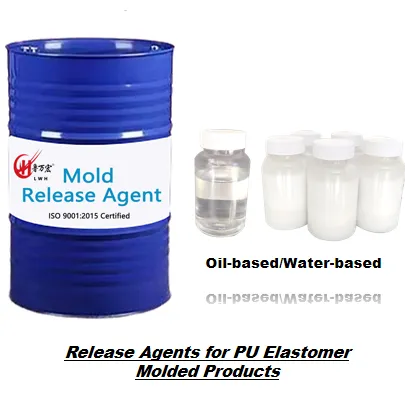
The memory foam mattress industry has experienced unprecedented growth over the past decade, with manufacturers constantly seeking ways to optimize production efficiency and product quality. One critical component that significantly impacts both manufacturing success and final product integrity is the selection of appropriate release agents for memory foam production. These specialized chemical formulations serve as the crucial interface between molding equipment and the foam material, ensuring clean demolding while maintaining the unique properties that make memory foam so desirable in the bedding industry.
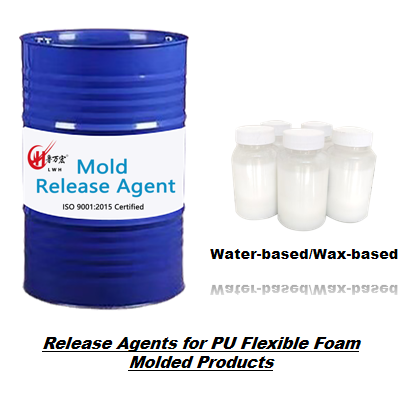
Understanding the Unique Challenges of Memory Foam Manufacturing
Complex Chemical Composition Requirements
Memory foam manufacturing involves intricate chemical processes that require precise temperature control and timing. The polyurethane chemistry underlying memory foam production creates specific adhesion challenges that standard release agents cannot adequately address. Unlike conventional foam materials, memory foam contains temperature-sensitive additives and density modifiers that can interact unpredictably with generic release formulations. This complexity necessitates the use of specialized release agents for memory foam that are formulated to work harmoniously with these advanced chemical systems.
The viscosity and flow characteristics of memory foam precursors differ significantly from traditional flexible foams. During the molding process, these materials exhibit unique expansion patterns and cure behaviors that demand carefully engineered release solutions. Generic release agents often fail to provide consistent performance across the temperature ranges and cure cycles required for optimal memory foam production, leading to defects and production delays.
Temperature Sensitivity and Thermal Management
Memory foam production requires precise thermal management throughout the molding and curing processes. The release agents used must remain stable and effective across wide temperature variations while not interfering with the foam's characteristic temperature-responsive properties. Standard release formulations may break down or create unwanted residues at the elevated temperatures required for memory foam processing.
Effective release agents for memory foam must maintain their lubricating properties during the initial heating phase while providing clean separation during the cooling and demolding stages. This thermal stability ensures consistent production outcomes and prevents the formation of surface defects that could compromise the final product's comfort and durability characteristics.
Production Efficiency Benefits of Specialized Release Agents
Reduced Cycle Times and Increased Throughput
Implementing purpose-designed release agents for memory foam can dramatically reduce production cycle times by enabling faster demolding operations. When release agents are properly matched to the specific foam chemistry and processing conditions, manufacturers can achieve cleaner separations with reduced mechanical force requirements. This efficiency improvement translates directly into increased production capacity and reduced labor costs per unit produced.
The improved release characteristics also minimize the risk of foam damage during demolding, reducing waste and rework requirements. Manufacturers using optimized release systems report cycle time reductions of 15-25% compared to operations using generic release formulations, representing significant productivity gains in high-volume production environments.
Equipment Protection and Maintenance Reduction
Specialized release agents provide superior protection for expensive molding equipment by reducing adhesive buildup and minimizing the mechanical stress required during demolding operations. This protection extends equipment life and reduces maintenance frequency, contributing to lower overall production costs. The chemical compatibility between advanced release agents for memory foam and modern molding equipment materials prevents corrosion and surface degradation that can occur with incompatible formulations.
Regular use of appropriate release agents also reduces the need for aggressive cleaning procedures that can damage mold surfaces and precision tooling. This gentler maintenance approach preserves the dimensional accuracy of molding equipment and maintains consistent product quality over extended production runs.
Quality Improvements Through Optimized Release Technology
Surface Finish and Aesthetic Enhancement
The surface quality of memory foam products directly impacts consumer perception and market acceptance. Specialized release agents for memory foam are formulated to create smooth, consistent surface finishes that enhance the tactile experience and visual appeal of finished products. Unlike generic formulations that may leave residues or create surface irregularities, purpose-designed agents ensure uniform surface characteristics across entire production runs.
The improved surface quality achieved with specialized release agents also facilitates better adhesion of covering materials and reduces the need for surface preparation steps in downstream manufacturing processes. This seamless integration between molding and assembly operations streamlines production workflows and improves overall product quality.
Dimensional Accuracy and Consistency
Maintaining precise dimensional tolerances is crucial for memory foam products that must fit specific bed frame configurations or integrate with other mattress components. Effective release agents for memory foam enable consistent demolding forces that preserve the foam's intended dimensions and prevent distortion during removal from molds. This dimensional stability is particularly important for complex shapes and multi-density foam configurations.
The chemical stability of specialized release formulations also prevents interactions that could alter the foam's cellular structure or density distribution. This preservation of intended physical properties ensures that finished products meet design specifications and deliver consistent performance characteristics to end users.
Economic Considerations and Cost-Benefit Analysis
Initial Investment Versus Long-term Savings
While specialized release agents for memory foam may carry higher initial costs compared to generic alternatives, the long-term economic benefits typically justify the investment. Reduced waste rates, lower maintenance costs, and improved production efficiency combine to create substantial cost savings over time. Manufacturers who have transitioned to optimized release systems report payback periods of 6-12 months through operational improvements alone.
The enhanced product quality achieved with proper release agents also supports premium pricing strategies and reduces warranty claims related to manufacturing defects. These quality improvements contribute to stronger brand reputation and customer loyalty, generating additional value beyond direct cost savings.
Risk Mitigation and Production Reliability
Investing in appropriate release agents for memory foam reduces production risks associated with unpredictable demolding performance and quality variations. Consistent release performance enables more reliable production scheduling and reduces the likelihood of costly production interruptions due to molding problems. This operational reliability is particularly valuable in high-volume manufacturing environments where production delays can have cascading effects on delivery commitments.
The reduced variability in production outcomes also simplifies quality control processes and reduces the resources required for inspection and testing activities. This streamlined quality management approach further enhances operational efficiency and reduces overall production costs.
Environmental and Safety Advantages
Reduced Environmental Impact
Modern specialized release agents for memory foam are typically formulated with environmental considerations in mind, featuring lower volatile organic compound emissions and reduced environmental persistence compared to older formulations. These environmental improvements align with increasingly stringent regulations and support corporate sustainability initiatives without compromising manufacturing performance.
The improved efficiency enabled by optimized release systems also contributes to environmental benefits through reduced energy consumption and waste generation. Lower rejection rates and extended equipment life cycles further minimize the environmental footprint of memory foam manufacturing operations.
Enhanced Workplace Safety
Purpose-designed release agents often incorporate safety improvements such as reduced vapor pressures, lower skin sensitization potential, and improved handling characteristics. These safety enhancements protect workers and reduce the compliance burden associated with hazardous material management. The consistent performance of specialized formulations also reduces the likelihood of accidents related to unexpected molding behavior or equipment malfunctions.
Improved workplace safety translates into lower insurance costs, reduced regulatory compliance expenses, and enhanced employee satisfaction and retention. These indirect benefits contribute to the overall value proposition of investing in appropriate release technology.
Implementation Strategies for Release Agent Optimization
Assessment and Selection Criteria
Successful implementation of specialized release agents for memory foam begins with a thorough assessment of current production processes and identification of specific performance requirements. Manufacturers should evaluate factors such as foam chemistry, processing temperatures, cycle times, and quality standards to develop selection criteria for release agent evaluation. This systematic approach ensures that chosen formulations will deliver optimal performance in specific operating conditions.
Collaboration with release agent suppliers during the selection process provides access to technical expertise and application support that can accelerate implementation and optimize performance. Suppliers of specialized release agents typically offer technical services including product testing, process optimization, and ongoing support to ensure successful integration.
Training and Process Integration
Effective implementation requires comprehensive training for production personnel on proper application techniques and handling procedures for new release agents. This training should cover application rates, timing, safety procedures, and troubleshooting guidelines to ensure consistent results. The transition to specialized release agents for memory foam may require adjustments to existing procedures and equipment settings to achieve optimal performance.
Gradual implementation through pilot programs allows manufacturers to validate performance benefits and refine procedures before full-scale deployment. This phased approach minimizes production risks while enabling continuous improvement in application techniques and process parameters.
FAQ
How do specialized release agents differ from standard formulations for memory foam applications?
Specialized release agents for memory foam are formulated specifically to address the unique challenges of memory foam chemistry and processing conditions. They maintain stability across wider temperature ranges, provide consistent performance with temperature-sensitive additives, and are designed to work with the specific viscosity and flow characteristics of memory foam materials. Standard formulations may lack these specialized properties and can lead to inconsistent results or quality issues.
What is the typical return on investment for upgrading to specialized release agents?
Most manufacturers report payback periods of 6-12 months when transitioning to specialized release agents for memory foam production. The return on investment comes from multiple sources including reduced cycle times, lower waste rates, decreased maintenance costs, improved product quality, and enhanced production reliability. The exact ROI varies depending on production volume and current efficiency levels.
Can specialized release agents improve the surface quality of memory foam products?
Yes, purpose-designed release agents for memory foam are formulated to create smooth, consistent surface finishes that enhance both the visual appeal and tactile qualities of finished products. These agents minimize surface defects, reduce residue formation, and provide uniform release characteristics that preserve the intended surface texture and appearance of memory foam products.
What safety and environmental benefits do modern release agents offer?
Modern specialized release agents for memory foam typically feature reduced volatile organic compound emissions, lower environmental persistence, and improved worker safety characteristics such as reduced vapor pressure and skin sensitization potential. These formulations align with environmental regulations and corporate sustainability goals while maintaining superior performance in demanding manufacturing applications.
Table of Contents
- Understanding the Unique Challenges of Memory Foam Manufacturing
- Production Efficiency Benefits of Specialized Release Agents
- Quality Improvements Through Optimized Release Technology
- Economic Considerations and Cost-Benefit Analysis
- Environmental and Safety Advantages
- Implementation Strategies for Release Agent Optimization
-
FAQ
- How do specialized release agents differ from standard formulations for memory foam applications?
- What is the typical return on investment for upgrading to specialized release agents?
- Can specialized release agents improve the surface quality of memory foam products?
- What safety and environmental benefits do modern release agents offer?