અનેક રબર મોલ્ડિંગ પ્રક્રિયાઓમાં વિવિધ એપ્લિકેશન
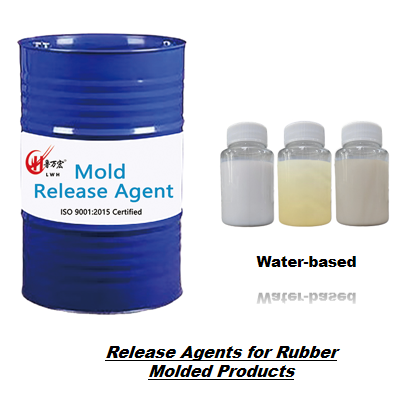
રબર મોલ્ડ રિલીઝ સ્પ્રેની અદ્વિતીય લવચીકતા તેને વિવિધ મોલ્ડિંગ એપ્લિકેશન્સ અને રબર કમ્પાઉન્ડ પ્રકારો સાથે કામ કરતી સુવિધાઓ માટે અમૂલ્ય ઉકેલ બનાવે છે. આ અનુકૂળતા ઘણાં ખાસ રિલીઝ એજન્ટ્સની જરૂરિયાત દૂર કરે છે, ખરીદીની પ્રક્રિયાઓને સરળ બનાવે છે અને માલસામાનની જટિલતા ઘટાડે છે, જ્યારે વિવિધ ઉત્પાદન જરૂરિયાતોમાં ઉત્તમ કામગીરી જાળવી રાખે છે. ગુણવત્તાયુક્ત રબર મોલ્ડ રિલીઝ સ્પ્રેની રાસાયણિક સુસંગતતા કુદરતી રબર, સિન્થેટિક રબર કમ્પાઉન્ડ્સ, સિલિકોન રબર અને માંગણીયુક્ત એપ્લિકેશન્સમાં વપરાતી વિશેષ ફોર્મ્યુલેશન્સ સુધી વિસ્તરે છે. આ વ્યાપક સુસંગતતા ઉત્પાદકોને ભાગની ગુણવત્તા અથવા પ્રક્રિયાની વિશ્વસનીયતામાં ભંગ કર્યા વિના એક જ રિલીઝ એજન્ટ ઉકેલ પર ધોરણ નક્કી કરવાની મંજૂરી આપે છે. તાપમાન કામગીરીની લાક્ષણિકતાઓ રબર મોલ્ડ રિલીઝ સ્પ્રેને મધ્યમ અને ઊંચા તાપમાનની મોલ્ડિંગ પ્રક્રિયાઓમાં અસરકારક રીતે કાર્ય કરવા માટે સક્ષમ બનાવે છે, જે વિવિધ ક્યુરિંગ જરૂરિયાતો અને ઉત્પાદન પદ્ધતિઓને અનુરૂપ હોય છે. સ્પ્રે એપ્લિકેશન પદ્ધતિ જટિલ મોલ્ડ ભૂમિતિ માટે ખાસ કરીને મૂલ્યવાન સાબિત થાય છે, જેમાં જટિલ ટેક્સ્ચર, ઊંડા ડ્રોઝ અને મલ્ટી-કેવિટી કોન્ફિગરેશન્સનો સમાવેશ થાય છે, જે પરંપરાગત રિલીઝ એજન્ટ એપ્લિકેશન તકનીકોને પડકારે છે. કમ્પ્રેશન મોલ્ડિંગ ઑપરેશન્સ રબર મોલ્ડ રિલીઝ સ્પ્રે દ્વારા પૂરી પાડવામાં આવતી સમગ્ર કવરેજનો લાભ લે છે, જે મોટા સપાટી વિસ્તારો અને બદલાતા દબાણ વિતરણ પર સુસંગત રિલીઝ કામગીરીને ખાતરી આપે છે. ઈન્જેક્શન મોલ્ડિંગ એપ્લિકેશન્સ ઉત્પાદન કાર્યક્ષમતા જાળવી રાખવા માટે સ્પ્રેની ઝડપી સૂકવણીની લાક્ષણિકતાઓનો ઉપયોગ કરે છે, જ્યારે ચોકસાઈના મોલ્ડમાંથી વિશ્વસનીય ભાગ રિલીઝ પૂરી પાડે છે. ટ્રાન્સફર મોલ્ડિંગ પ્રક્રિયાઓ સામગ્રીના પ્રવાહ અને ક્યુરિંગ તબક્કા દરમિયાન રબર કમ્પાઉન્ડ્સના દૂષણને અટકાવવા માટે રબર મોલ્ડ રિલીઝ સ્પ્રેની રાસાયણિક સ્થિરતા પર આધારિત છે. રબર મોલ્ડ રિલીઝ સ્પ્રેની અસરકારકતા પ્રોટોટાઇપ વિકાસ અને ઓછા વોલ્યુમ ઉત્પાદનના પરિદૃશ્યો સુધી વિસ્તરે છે, જ્યાં મોલ્ડિંગ સાધનોનો ઓછી વાર ઉપયોગ છતાં સુસંગત પરિણામો આવશ્યક હોય છે. સંશોધન અને વિકાસ પ્રવૃત્તિઓને રબર મોલ્ડ રિલીઝ સ્પ્રેની પુન:ઉત્પાદન કરી શકાય તેવી કામગીરીનો લાભ મળે છે, જે અસંગત રિલીઝ એજન્ટ એપ્લિકેશન દ્વારા લાવવામાં આવતા ચલો વિના નવા રબર ફોર્મ્યુલેશન્સ અને મોલ્ડ ડિઝાઇન્સનું ચોકસાઈપૂર્વક મૂલ્યાંકન કરવાની મંજૂરી આપે છે. ગુણવત્તા ખાતરીની પ્રક્રિયાઓ વધુ વિશ્વસનીય બને છે જ્યારે લવચીક રબર મોલ્ડ રિલીઝ સ્પ્રેનો ઉપયોગ કરવામાં આવે છે, કારણ કે ટેસ્ટિંગ પ્રોટોકોલ્સ વિવિધ ઉત્પાદન લાઇન્સ અને ઉત્પાદન પ્રક્રિયાઓમાં ધોરણબદ્ધ કરી શકાય છે.

 EN
EN