សំណុំដោយល្អที่สุดសម្រាប់រ៉េសីនអេពូគី
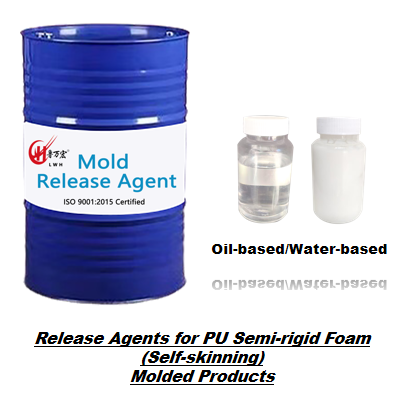
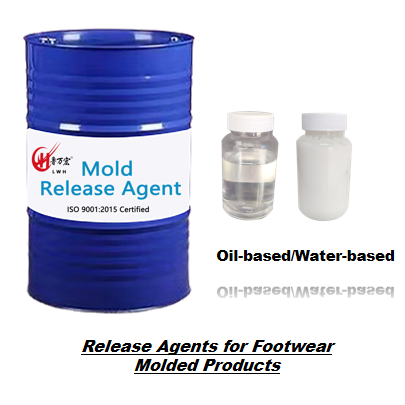
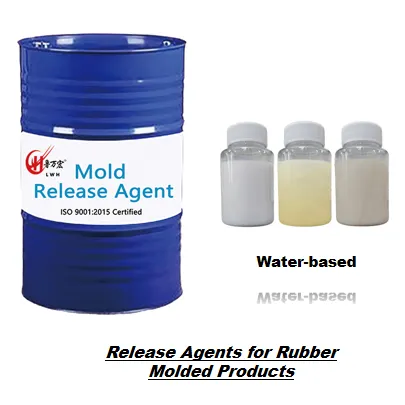
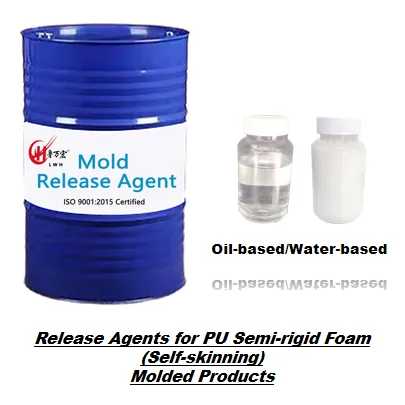
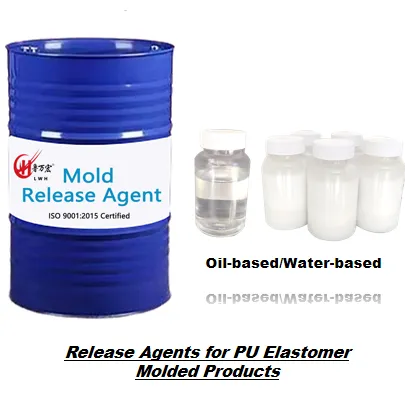
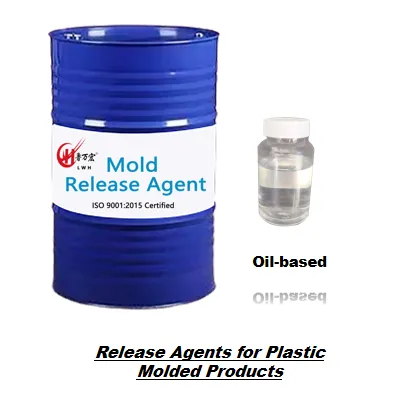
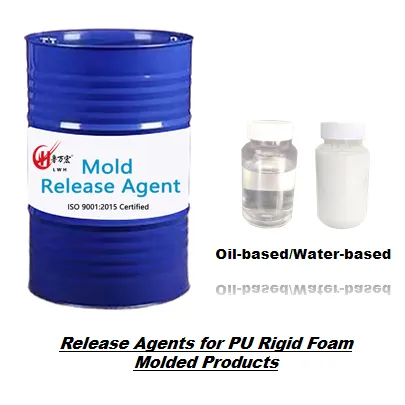
ថ្នាំលាងក្រឡាមុខដ៏ល្អបំផុតសម្រាប់ជែលអ៊ីពូកស៊ី គឺជាសមាសភាពសំខាន់នៅក្នុងដំណើរការចាក់ និងផលិតកម្មវិជ្ជាជីវៈ ដែលធ្វើជាឧបសគ្គសំខាន់រវាងសម្ភារៈអ៊ីពូកស៊ី និងផ្ទៃក្រឡាមុខ។ សមាសភាពគីមីពិសេសនេះ ការពារកុំឱ្យជែលអ៊ីពូកស៊ីជាប់នឹងជញ្ជាំងក្រឡាមុខ ដោយធានាការដកផលិតផលចេញបានស្អាត និងរក្សាគុណភាពផលិតផល និងសភាពគ្រប់គ្រងក្រឡាមុខ។ ភ្នាស់ក្រឡាមុខទំនើបប្រើបច្ចេកវិទ្យាផ្អែកលើស៊ីលីកុន ឬផ្អែកលើសំណាប ដែលបង្កើតស្រទាប់បំបែកមីក្រូ ដោយមិនប៉ះពាល់ដល់គុណភាពផ្ទៃ។ មុខងារសំខាន់គឺបង្កើតស្រទាប់គ្របស្តើង និងស្មើៗគ្នា ដែលអនុញ្ញាតឱ្យដកផលិតផលចេញបានងាយ ខណៈពេលដែលរក្សាភាពត្រឹមត្រូវនៃវិមាត្រ និងការសម្អាតផ្ទៃ។ ផលិតផលទាំងនេះបង្ហាញពីស្ថេរភាពកំដៅខ្ពស់ ហើយអាចទប់ទល់នឹងសីតុណ្ហភាពព្យាបាលដែលត្រូវការជាធម្មតាសម្រាប់ប្រព័ន្ធអ៊ីពូកស៊ី ចាប់ពីសីតុណ្ហភាពបន្ទប់ រហូតដល់កម្ដៅខ្ពស់។ ថ្នាំលាងក្រឡាមុខដ៏ល្អបំផុតសម្រាប់ជែលអ៊ីពូកស៊ី រួមបញ្ចូលនូវការអភិវឌ្ឍន៍បច្ចេកវិទ្យានាណូ ដែលផ្តល់នូវការគ្របដណ្តប់ល្អប្រសើរជាមួយបរិមាណកម្មវិធីអប្បបរមា ដោយកាត់បន្ថយការចំណាយសម្ភារៈ និងផលប៉ះពាល់បរិស្ថាន។ លក្ខណៈបច្ចេកទេសរួមមាន លក្ខណៈភាពតានតឹងផ្ទៃទាប ដែលធានាការចែកចាយស្មើៗគ្នាលើរូបធរណីស្មុគស្មាញ សភាពអន់ឥតសកម្មភាពគីមី ដែលការពារការរំខានដល់យន្តការព្យាបាលអ៊ីពូកស៊ី និងស្ថេរភាពអាយុកាលប្រើប្រាស់យូរ។ ការប្រើប្រាស់រីួមមានឧស្សាហកម្មផ្សេងៗគ្នា ដូចជាការផលិតគ្រឿងបន្លាស់អាកាសយាន, ផលិតកម្មគ្រឿងបរិក្ខាររថយន្ត, សាងសង់នាវាសមុទ្រ, ការបង្កើតធាតុស្ថាបត្យកម្ម និងការផលិតរូបចម្លាក់សិល្បៈ។ ក្រុមហ៊ុនផលិតវិជ្ជាជីវៈពឹងផ្អែកលើសមាសភាពទាំងនេះ សម្រាប់ផលិតសមាសភាពបន្លាស់ដោយសរសៃ បន្ទះតុបតែង ការអភិវឌ្ឍគំរូ និងការផលិតកម្រិតខ្ពស់។ ភាពអាចប្រើប្រាស់បានរីួមបញ្ចូលទាំងសម្ភារៈក្រឡាមុខផ្សេងៗ ដូចជាអាលុយមីញ៉ូម ដែក កញ្ចក់ប្លាស្ទិក កៅស៊ូស៊ីលីកុន និងសារធាតុថេរម៉ូលេគុល។ សមាសភាពកម្រិតខ្ពស់ផ្តល់នូវវដ្តការដកចេញច្រើនពីការប្រើប្រាស់តែមួយ ដោយការពង្រឹងប្រសិទ្ធភាពផលិតកម្ម និងកាត់បន្ថយពេលវេលាចុះខ្សោយរវាងប្រតិបត្តិការចាក់។ ការពិចារណាលើបរិស្ថានបានជំរុញការអភិវឌ្ឍន៍ឆ្ពោះទៅរកប្រព័ន្ធផ្អែកលើទឹក ដែលកាត់បន្ថយសារធាតុអុកស៊ីតកាបុងចល័ត ខណៈពេលដែលរក្សាស្តង់ដារប្រតិបត្តិការសម្រាប់កម្មវិធីឧស្សាហកម្មដែលទាមទារខ្ពស់។

 EN
EN