Professional Polyurethane Foam Release Agent Solutions - Superior Mold Protection & Production Efficiency

All Categories

polyurethane foam release agent

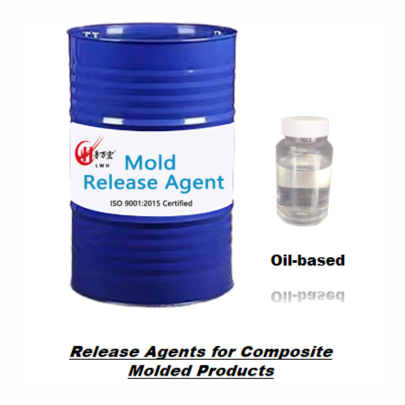
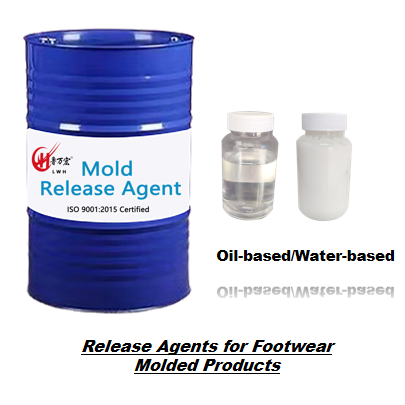
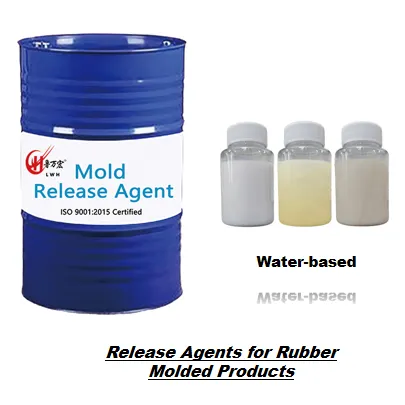
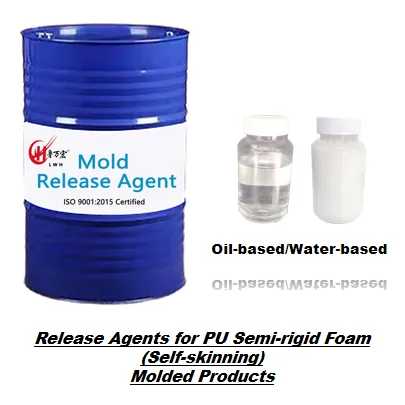
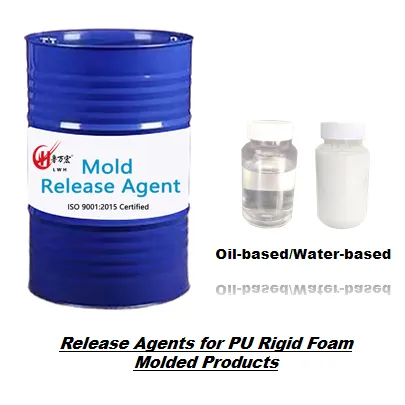
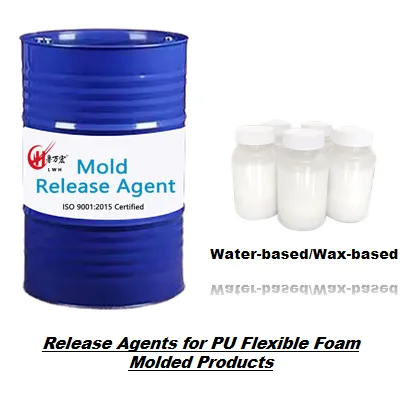
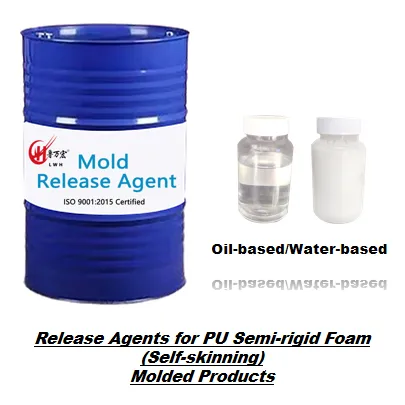
Polyurethane foam release agent represents a specialized chemical formulation designed to prevent adhesion between polyurethane foam products and manufacturing molds during production processes. This essential component serves as a barrier layer that enables smooth demolding operations while maintaining the integrity of both the foam product and the mold surface. The primary function of polyurethane foam release agent involves creating a thin, uniform coating that eliminates the risk of foam sticking to metal, plastic, or composite mold surfaces during curing and expansion phases. Manufacturing facilities across automotive, furniture, construction, and packaging industries rely heavily on these release agents to ensure consistent production quality and operational efficiency. The technological features of modern polyurethane foam release agent formulations include excellent thermal stability, chemical compatibility with various foam chemistries, and superior surface coverage properties. These agents are typically formulated using silicone-based compounds, wax emulsions, or specialized polymer blends that provide optimal release characteristics without interfering with foam cell structure or mechanical properties. Application methods for polyurethane foam release agent vary from spray application systems to brush-on techniques, depending on mold complexity and production requirements. The versatility of these products extends to both flexible and rigid foam manufacturing processes, accommodating temperature ranges from ambient conditions to elevated curing temperatures exceeding 200 degrees Celsius. Quality polyurethane foam release agent formulations demonstrate exceptional longevity, often providing multiple release cycles from a single application, thereby reducing material consumption and labor costs. Environmental considerations have driven the development of water-based and low-VOC polyurethane foam release agent options that meet stringent regulatory requirements while maintaining superior performance standards.

New Product Releases

The implementation of polyurethane foam release agent delivers substantial operational benefits that directly impact production efficiency and cost management. Manufacturing facilities experience significant reductions in demolding time when utilizing high-quality release agents, as products separate cleanly from mold surfaces without requiring excessive force or manual intervention. This streamlined process translates to increased throughput capacity and reduced labor requirements, enabling companies to meet demanding production schedules while maintaining consistent quality standards. The protective properties of polyurethane foam release agent extend mold service life by preventing foam residue buildup and surface damage that typically occurs during difficult demolding operations. This protection eliminates the need for aggressive cleaning procedures and reduces mold maintenance frequency, resulting in substantial cost savings over time. Quality control improvements represent another major advantage, as proper release agent application ensures uniform surface finish on foam products and eliminates defects such as surface tears, incomplete fills, or dimensional variations. The consistency provided by polyurethane foam release agent enables manufacturers to achieve tight tolerance specifications required for automotive seating, architectural panels, and precision molded components. Worker safety benefits emerge from reduced physical strain during demolding operations and decreased exposure to cleaning solvents typically required for removing stubborn foam residue from mold surfaces. The economic advantages compound when considering reduced scrap rates, lower rework requirements, and improved first-pass yield statistics that result from reliable release agent performance. Energy savings occur through reduced cure times and lower demolding temperatures made possible by effective release agent barriers. The versatility of polyurethane foam release agent formulations allows manufacturers to optimize their selection based on specific foam chemistries, mold materials, and production environments, ensuring maximum compatibility and performance. Long-term storage stability of quality release agents reduces inventory management complexities and eliminates waste from product degradation, contributing to lean manufacturing principles and sustainable production practices.

Tips And Tricks

What Makes an FRP Release Agent Ideal for Composite Molding?

27

Aug

What Makes an FRP Release Agent Ideal for Composite Molding?

Understanding the Critical Role of Release Agents in FRP Manufacturing In the world of composite manufacturing, FRP release agents play an indispensable role in ensuring successful molding operations. These specialized chemical formulations create a ...
View More
How Do FRP Release Agents Affect Surface Smoothness and Gloss?

27

Aug

How Do FRP Release Agents Affect Surface Smoothness and Gloss?

Understanding the Impact of Release Agents on FRP Surface Quality The surface quality of fiber reinforced polymer (FRP) composites plays a crucial role in both aesthetics and performance. FRP release agents are fundamental components in the manufactu...
View More
Top Advantages of Using Luwanhong Release Agent in Factories

22

Sep

Top Advantages of Using Luwanhong Release Agent in Factories

Transforming Industrial Production with Advanced Release Agents The manufacturing industry constantly seeks innovative solutions to enhance production efficiency and product quality. Among these solutions, Luwanhong release agent has emerged as a gam...
View More
Top Advantages of Oil Based Release Agent for Manufacturing

27

Oct

Top Advantages of Oil Based Release Agent for Manufacturing

Understanding the Revolutionary Impact of Release Agents in Modern Manufacturing The manufacturing industry continues to evolve with innovative solutions that enhance production efficiency and product quality. Among these innovations, oil based relea...
View More

Get a Free Quote

Our representative will contact you soon.
Email
Name
Company Name
Message
0/1000

polyurethane foam release agent

Superior Release Performance and Mold Protection Technology

Superior Release Performance and Mold Protection Technology

The advanced formulation technology behind modern polyurethane foam release agent systems delivers unmatched release performance through carefully engineered molecular structures that create optimal barrier properties. These sophisticated chemical compositions utilize high-performance silicone polymers and specialized additives that form ultra-thin protective films on mold surfaces, ensuring complete separation between expanding foam and substrate materials. The molecular design of premium polyurethane foam release agent products incorporates temperature-resistant components that maintain their effectiveness throughout the entire curing cycle, from initial foam injection through final demolding operations. This thermal stability prevents agent breakdown at elevated processing temperatures, ensuring consistent performance across varying production conditions. The protective mechanism extends beyond simple release functionality, as quality agents form sacrificial layers that absorb the mechanical stresses associated with foam expansion and contraction cycles. This protection significantly extends mold service life by preventing microscopic surface damage, chemical etching, and thermal shock that can compromise mold precision over time. Manufacturing facilities utilizing advanced polyurethane foam release agent technology report mold service life extensions of 300-500 percent compared to operations without proper release agent protocols. The chemical inertness of these formulations ensures they will not react with foam precursors, catalysts, or other processing chemicals, maintaining the integrity of both the release system and the final foam product. Surface tension properties are precisely calibrated to ensure uniform coverage across complex mold geometries, including deep draws, undercuts, and textured surfaces that challenge conventional release systems. The durability of the protective film enables multiple release cycles from a single application, with some premium formulations providing effective release for 10-15 consecutive molding operations before reapplication becomes necessary.
Enhanced Production Efficiency and Cost Optimization Solutions

Enhanced Production Efficiency and Cost Optimization Solutions

The implementation of professional-grade polyurethane foam release agent systems transforms manufacturing operations by delivering measurable improvements in cycle time, yield rates, and overall production efficiency metrics. Automated spray application systems designed for these release agents enable precise, consistent coating thickness that optimizes material consumption while ensuring complete mold coverage. This precision application technology reduces agent waste by up to 40 percent compared to manual application methods, while simultaneously improving coating uniformity and reliability. The fast-acting properties of advanced polyurethane foam release agent formulations eliminate lengthy drying times, allowing immediate foam injection following agent application and reducing overall cycle times significantly. Production planning becomes more predictable when using reliable release agents, as demolding delays and rework requirements decrease substantially, enabling accurate scheduling and capacity utilization optimization. Quality management systems benefit from the consistency provided by effective release agents, as surface defects, dimensional variations, and cosmetic imperfections become rare occurrences rather than regular production challenges. The economic impact extends to energy consumption, as proper release agent application enables lower demolding forces that reduce hydraulic system demands and associated power consumption. Maintenance scheduling becomes more predictable with extended mold life, allowing facilities to plan downtime during low-demand periods rather than responding to emergency mold repairs that disrupt production schedules. Worker productivity improves measurably when demolding operations proceed smoothly, eliminating the physical strain and time consumption associated with difficult part removal processes. Training requirements diminish as standardized release agent procedures create consistent, repeatable processes that new operators can master quickly. The scalability of modern polyurethane foam release agent systems accommodates production volume fluctuations without requiring major process adjustments, supporting lean manufacturing principles and flexible production strategies.
Environmental Compatibility and Sustainable Manufacturing Support

Environmental Compatibility and Sustainable Manufacturing Support

Contemporary polyurethane foam release agent technology prioritizes environmental responsibility through innovative formulations that meet stringent regulatory requirements while delivering superior performance characteristics. Water-based release agent systems eliminate volatile organic compound emissions, supporting facilities in achieving air quality compliance and creating healthier work environments for production personnel. These environmentally conscious formulations undergo rigorous testing to ensure they meet or exceed EPA regulations, OSHA safety standards, and international environmental protocols without compromising release effectiveness or durability. The biodegradability of modern release agents addresses end-of-life disposal concerns, as these products break down naturally without accumulating in soil or water systems, supporting circular economy principles and sustainable manufacturing practices. Reduced cleaning solvent requirements represent a significant environmental advantage, as effective polyurethane foam release agent application eliminates the need for harsh chemical cleaners typically required to remove foam residue from mold surfaces. This reduction in cleaning chemistry consumption decreases hazardous waste generation and simplifies waste stream management for manufacturing facilities. Energy efficiency contributions emerge from the thermal properties of advanced release agents, which enable lower processing temperatures and reduced cure times, resulting in decreased energy consumption per unit of production. The concentration levels of modern formulations allow for dilution ratios that reduce packaging waste and transportation impacts, as smaller quantities of concentrate can produce larger volumes of working solution. Workplace safety improvements result from reduced exposure to hazardous cleaning chemicals and elimination of manual scraping operations required to remove stuck foam products. The longevity of protective films formed by quality polyurethane foam release agent reduces application frequency, minimizing both material consumption and the associated environmental impacts of production and transportation. Certification programs verify the environmental credentials of leading release agent products, providing manufacturers with documentation to support their sustainability reporting and green manufacturing initiatives.

Get a Free Quote

Our representative will contact you soon.
Email
Name
Company Name
Message
0/1000