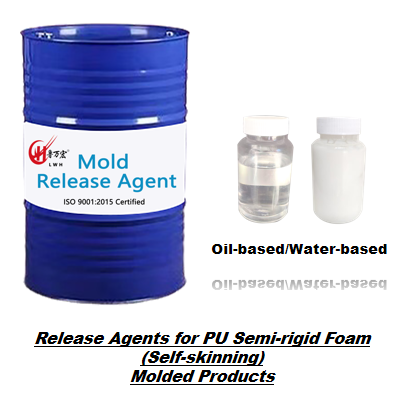
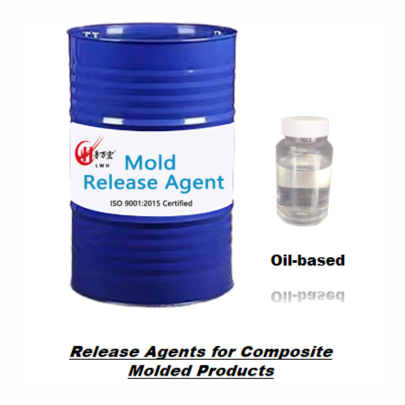
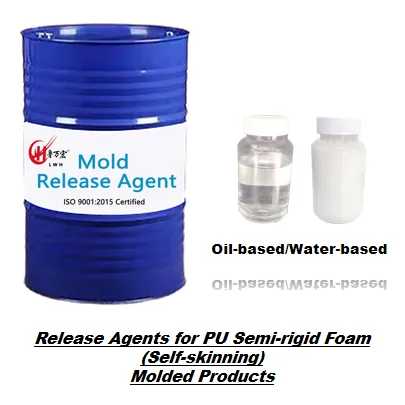
löstningsbaserat flexibelt pu schäumig avlossningsmedel
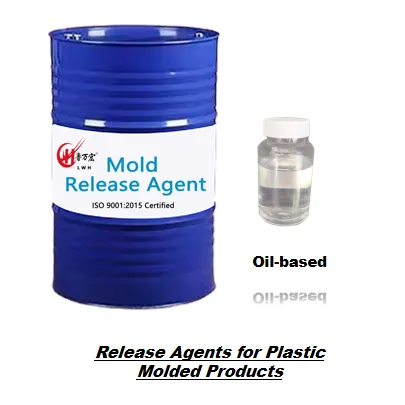
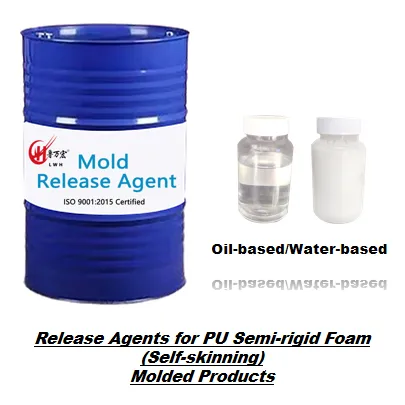
Lösningsmedelbaserad flexibel PU-skumavskiljningsmedel representerar en specialiserad kemisk lösning utformad för att underlätta effektiv avlägsnande av polyuretanskummprodukter från tillverkningsformar. Denna avancerade formel utgör en avgörande komponent i skumtillverkningsprocesser och säkerställer smidiga avformningsoperationer samtidigt som integriteten hos både färdiga produkter och formsidor bevaras. Huvudfunktionen med detta avskiljningsmedel är att skapa ett tunt, skyddande skikt mellan det flexibla polyuretanskummet och formsytan, vilket förhindrar vidhäftning och möjliggör enkel produktuttagning. Detta lösningsmedelbaserade flexibla PU-skumavskiljningsmedel innehåller sofistikerade kemiska föreningar som ger överlägsen täckning och penetrationsförmåga, vilket säkerställer omfattande skydd även på komplexa formgeometrier. De tekniska egenskaperna hos detta avskiljningsmedel inkluderar utmärkt termisk stabilitet, vilket innebär att det behåller sin effektivitet även vid höga process-temperaturer som ofta förekommer vid skumtillverkning. Den lösningsmedelbaserade formeln erbjuder snabb applicering och snabb torkning, vilket minskar produktionscykler och förbättrar den totala effektiviteten. Medlet visar exceptionell kompatibilitet med olika formsmaterial, inklusive aluminium, stål och kompositytor, vilket gör det mångsidigt för olika tillverkningsmiljöer. Tillämpningar för detta lösningsmedelbaserade flexibla PU-skumavskiljningsmedel sträcker sig över flera industrier, inklusive bilinredning, möbelindustri, madrastillverkning och industriella dämpningsapplikationer. Produkten visar sig särskilt värdefull i produktion med hög volym där konsekvent avformningsprestanda är kritisk för att upprätthålla kvalitetsstandarder och produktionsscheman. Dess formel säkerställer minimal påverkan på skumegenskaper samtidigt som den ger pålitliga avskiljningsegenskaper som minskar spill och förbättrar avkastningsgraden. Medlets förmåga att tåla flera formningscykler utan att behöva återplåstras ofta gör det kostnadseffektivt för kontinuerlig produktion, vilket bidrar till förbättrad tillverkningsekonomi och driftseffektivitet.

 EN
EN