Enhanced Foam Surface Quality and Dimensional Accuracy
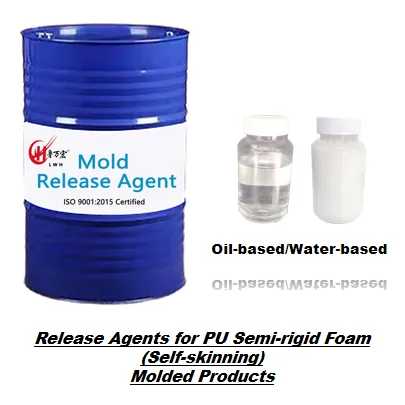
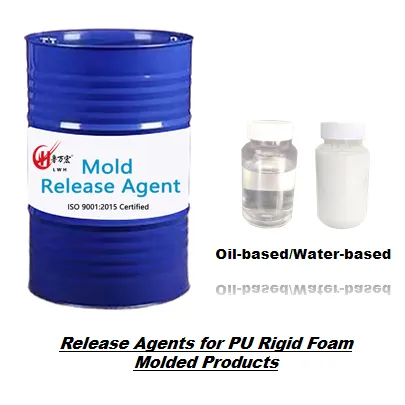
The best pu hr release agent excels in preserving foam surface integrity and dimensional precision, delivering superior results that directly impact product quality and customer satisfaction. This advanced formulation creates an ultra-thin, uniform barrier on mold surfaces that facilitates smooth foam separation without causing surface damage or dimensional distortions commonly associated with inadequate release systems. The agent's molecular design ensures complete coverage of complex mold geometries, including intricate contours, sharp edges, and detailed surface textures that are essential for producing high-quality foam components used in automotive seating, furniture applications, and specialty products. Surface quality improvements achieved through the best pu hr release agent are immediately visible and measurable. Foam products exhibit smooth, defect-free surfaces without tears, pulls, or texture irregularities that can occur during difficult demolding processes. This surface integrity is particularly important for applications where foam components are visible or require subsequent processing such as lamination, cutting, or shaping operations. Manufacturers report significant reductions in surface defect rates, leading to decreased waste levels and improved production yields that directly contribute to profitability improvements. Dimensional accuracy represents another critical advantage delivered by the best pu hr release agent. The product ensures that foam components maintain their intended shapes and sizes by preventing mold adhesion that can cause stretching, compression, or distortion during removal processes. This precision is essential for manufacturing applications requiring tight tolerances, such as automotive seat components that must fit precisely within vehicle interior assemblies. The consistent dimensional accuracy reduces the need for post-production trimming or rework operations, streamlining manufacturing processes and reducing production costs. The enhanced surface quality also contributes to improved bonding characteristics when foam components require adhesive assembly or lamination procedures. Clean, uniform surfaces created through effective release agent application provide optimal conditions for adhesive bonding, ensuring reliable joint strength and durability in finished products. This benefit is particularly valuable for manufacturers producing composite foam assemblies or products requiring fabric lamination, where surface quality directly affects bond integrity and long-term performance. Additionally, the superior surface finish eliminates the need for additional surface treatment procedures, reducing processing steps and associated costs while maintaining quality standards.

 EN
EN