
 EN
EN
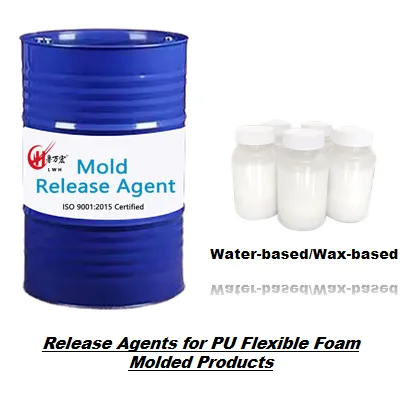
Modern manufacturing facilities across industries rely heavily on spraying processes to achieve consistent coating applications, surface treatments, and product finishes. The efficiency of these operations directly impacts production costs, material waste, and overall profitability. Optimizing spraying processes requires a comprehensive approach that addresses equipment selection, material formulations, operational parameters, and quality control measures. Companies that implement strategic improvements in their spraying operations often see significant reductions in material consumption, labor costs, and production downtime while achieving superior finish quality and consistency.
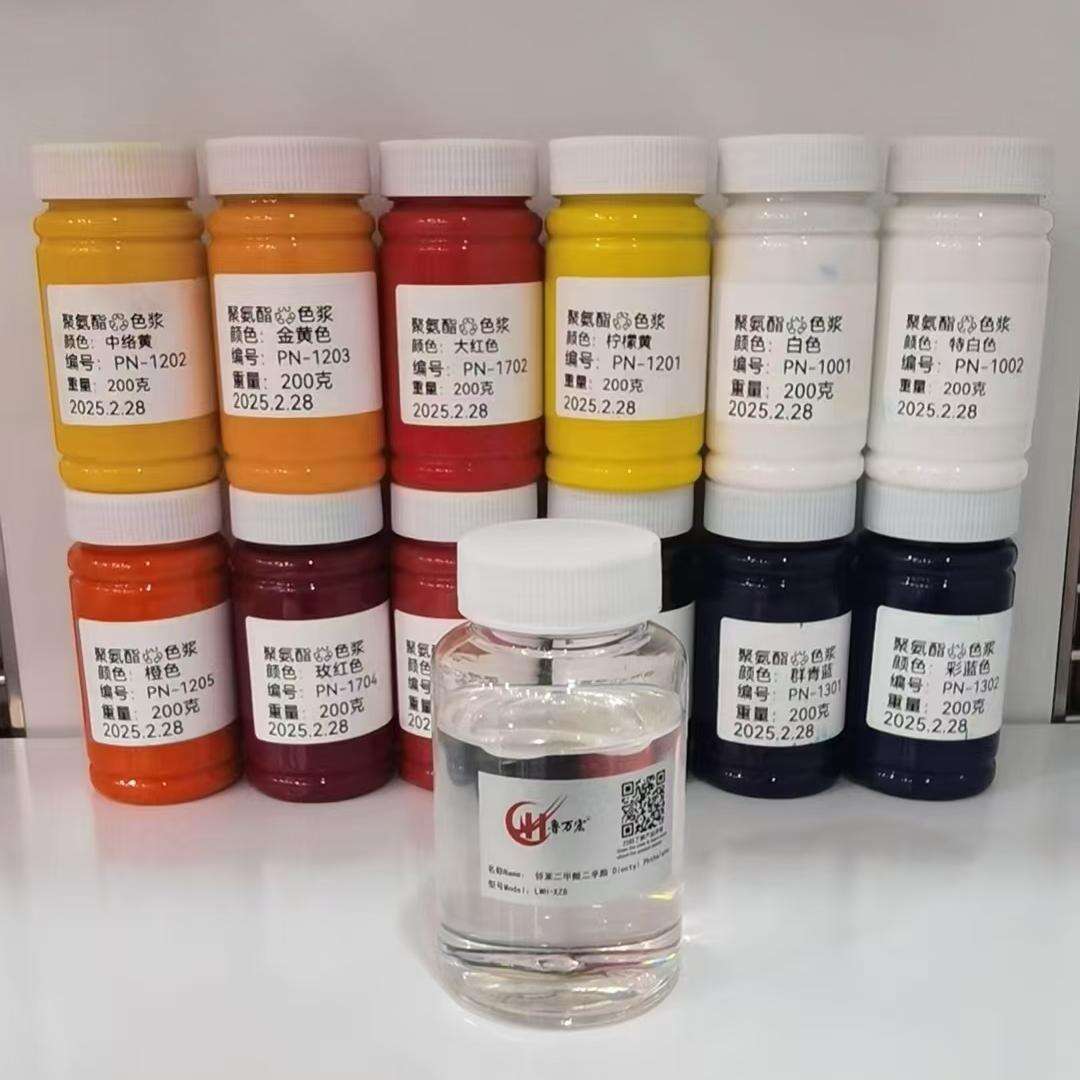
The foundation of any successful spraying optimization initiative lies in understanding the critical variables that influence process performance. Material properties, environmental conditions, equipment capabilities, and operator expertise all play essential roles in determining the final outcome. High-quality pigment pastes serve as key components in many spraying applications, providing the color consistency and performance characteristics required for professional results. By systematically analyzing and improving each aspect of the spraying process, manufacturers can achieve remarkable improvements in both efficiency and cost-effectiveness.
Equipment Selection and Configuration
Spray Gun Technology and Performance
The choice of spray gun technology fundamentally determines the efficiency and quality achievable in any spraying operation. High-volume, low-pressure guns offer excellent transfer efficiency, often exceeding eighty percent material utilization while reducing overspray and environmental contamination. These systems work particularly well with properly formulated pigment pastes that have been optimized for specific viscosity ranges and flow characteristics. Advanced electrostatic spray guns can further improve transfer efficiency by creating an electrical charge differential that attracts coating materials directly to the target surface.
Automated spray systems provide consistent application patterns and reduce variability associated with manual operations. Robotic spray systems can be programmed to maintain optimal spray distances, traverse speeds, and overlap patterns, ensuring uniform coverage while minimizing material waste. When working with specialized pigment pastes, automated systems can maintain precise flow rates and mixing ratios that would be difficult to achieve consistently through manual application methods.
Pressure and Flow Control Systems
Accurate pressure regulation ensures consistent atomization patterns and material flow rates throughout the spraying process. Modern pressure control systems incorporate feedback mechanisms that automatically adjust operating parameters in response to changing conditions, maintaining optimal spray characteristics even when material temperatures or viscosities fluctuate. These systems are particularly important when working with temperature-sensitive pigment pastes that may exhibit varying flow properties under different operating conditions.
Flow measurement and control systems enable precise material delivery while providing real-time monitoring of consumption rates. Digital flow meters can track material usage patterns, identify inefficiencies, and provide data for process optimization initiatives. This level of control becomes especially valuable when working with expensive specialty pigment pastes where material waste directly impacts project profitability.
Material Optimization and Preparation
Viscosity Control and Conditioning
Proper material preparation significantly impacts spray application efficiency and final coating quality. Viscosity control systems ensure that pigment pastes maintain optimal flow characteristics throughout the application process, reducing the likelihood of equipment clogging or inconsistent spray patterns. Temperature-controlled material circulation systems can maintain consistent viscosity levels even during extended production runs, improving both application efficiency and color consistency.
Material conditioning equipment, including mixers, agitators, and circulation pumps, helps maintain pigment dispersion and prevents settling that could lead to color variations or application problems. Regular monitoring of material properties ensures that pigment pastes perform according to specifications throughout their working life. Proper material handling also extends the usable life of expensive colorants and reduces waste from contaminated or degraded materials.
Dilution and Mixing Strategies
Strategic dilution of concentrated pigment pastes can optimize material costs while maintaining color performance standards. Automated mixing systems can precisely blend concentrated pastes with appropriate solvents or carriers to achieve target viscosities and application properties. These systems ensure consistent color matching while reducing material costs through efficient use of concentrated colorants.
In-line mixing systems enable just-in-time preparation of spray materials, reducing waste from mixed materials that exceed their pot life. This approach is particularly beneficial when working with reactive pigment pastes or multi-component systems that have limited working times once mixed. Proper mixing also ensures complete dispersion of pigment particles, leading to improved color development and application uniformity.
Process Parameter Optimization
Spray Pattern and Coverage Efficiency
Optimizing spray patterns involves careful adjustment of fan width, atomization pressure, and traverse speeds to achieve maximum coverage efficiency with minimal overspray. Pattern testing with different pigment pastes helps determine optimal parameters for specific applications and substrates. Proper pattern overlap, typically between thirty and fifty percent, ensures uniform coverage while avoiding excessive material buildup in overlap zones.
Coverage efficiency improvements can be achieved through careful analysis of spray gun positioning, target distance, and movement patterns. Maintaining consistent spray distances prevents variations in coating thickness and material utilization. When working with high-value pigment pastes, optimizing coverage patterns can result in substantial material savings while improving finish quality and consistency.
Environmental Control and Monitoring
Environmental conditions significantly impact spraying efficiency and quality outcomes. Temperature and humidity control systems maintain optimal conditions for material application and curing, while ventilation systems remove overspray and provide safe working conditions. Proper environmental control becomes critical when working with solvent-based pigment pastes that may be sensitive to temperature and humidity variations.
Air filtration systems protect both equipment and finished products from contamination that could affect appearance or performance. Clean air supply systems ensure consistent atomization while preventing defects caused by airborne particles. Environmental monitoring systems provide real-time feedback on conditions that could impact process efficiency or product quality, enabling proactive adjustments before problems occur.
Quality Control and Monitoring Systems
Real-Time Process Monitoring
Advanced monitoring systems track key process variables in real-time, enabling immediate adjustments when parameters drift from optimal ranges. Color measurement systems can verify that pigment pastes are producing consistent color development throughout production runs. These systems help identify problems before they result in quality defects or material waste, improving overall process efficiency.
Data logging systems capture process information that can be analyzed to identify optimization opportunities and troubleshoot recurring problems. Statistical process control methods help establish acceptable parameter ranges and alert operators when processes require attention. This level of monitoring becomes particularly valuable in high-volume operations where small improvements in efficiency can result in significant cost savings.
Defect Prevention and Correction
Systematic defect analysis helps identify root causes of quality problems and process inefficiencies. Common issues such as poor atomization, uneven coverage, or color variations often have identifiable causes related to material properties, equipment settings, or environmental conditions. When working with pigment pastes, understanding the relationship between material characteristics and application parameters helps prevent quality problems before they occur.
Corrective action procedures enable rapid response to quality deviations while minimizing material waste and production downtime. Automated systems can implement preset corrective actions for common problems, reducing response times and improving process stability. Proper training ensures that operators can recognize and address quality issues quickly and effectively.
Cost Analysis and Performance Metrics
Material Utilization Tracking
Comprehensive material tracking systems monitor consumption patterns and identify opportunities for waste reduction. Transfer efficiency measurements help quantify the percentage of material that actually reaches the target surface versus the amount lost to overspray or other waste streams. When working with expensive pigment pastes, improving transfer efficiency by even small percentages can result in significant cost savings over time.
Cost per unit area metrics enable comparison of different application methods and material formulations. These measurements help justify investments in equipment upgrades or process improvements by quantifying potential savings. Regular analysis of material utilization data helps identify trends and opportunities for further optimization.
Labor and Equipment Efficiency
Labor efficiency metrics track operator productivity and identify opportunities for training or process improvements. Automated systems can reduce labor requirements while improving consistency, but require careful analysis to ensure that productivity gains justify equipment investments. Equipment utilization tracking helps optimize maintenance schedules and identify opportunities for capacity improvements.
Overall equipment effectiveness measurements combine availability, performance, and quality metrics to provide comprehensive efficiency assessments. These metrics help prioritize improvement initiatives and measure the success of optimization efforts. When applied to spraying operations using pigment pastes, OEE measurements can reveal opportunities for significant performance improvements.
Maintenance and Equipment Care
Preventive Maintenance Programs
Systematic maintenance programs ensure that spray equipment operates at peak efficiency throughout its service life. Regular cleaning procedures prevent buildup of dried pigment pastes that could affect spray patterns or cause equipment damage. Proper maintenance also extends equipment life and reduces unexpected downtime that can disrupt production schedules.
Component replacement schedules help maintain consistent performance while minimizing maintenance costs. Wear parts such as spray tips, needles, and seals require regular replacement to maintain optimal spray characteristics. When working with abrasive pigment pastes, monitoring component wear patterns helps optimize replacement intervals and reduce maintenance costs.
Cleaning and Changeover Procedures
Efficient cleaning procedures minimize downtime during color changes or maintenance activities. Automated cleaning systems can reduce solvent consumption while ensuring thorough equipment cleaning between different pigment pastes. Proper cleaning procedures also prevent cross-contamination that could affect color accuracy or product quality.
Changeover optimization reduces the time required to switch between different products or colors while minimizing material waste. Quick-connect fittings and dedicated supply lines can reduce changeover times significantly. When working with multiple pigment pastes, efficient changeover procedures become critical for maintaining production flexibility and cost-effectiveness.
Training and Skills Development
Operator Training Programs
Comprehensive operator training ensures that personnel understand the principles of efficient spray application and can recognize when processes are operating optimally. Training programs should cover material handling, equipment operation, quality standards, and troubleshooting procedures. When working with specialized pigment pastes, operators need to understand material properties and handling requirements to achieve optimal results.
Ongoing skills development programs keep operators current with new technologies and best practices. Regular refresher training helps maintain performance standards and introduces new optimization techniques. Cross-training programs ensure that multiple operators can handle different products and equipment, improving operational flexibility.
Technical Support and Knowledge Management
Technical support systems provide operators with access to troubleshooting guides, parameter settings, and material specifications. Knowledge management systems capture best practices and lessons learned from process optimization initiatives. This information becomes particularly valuable when working with diverse pigment pastes that may require different handling and application techniques.
Regular review meetings help identify training needs and share successful optimization strategies across the organization. Documentation of process parameters and optimization results provides a foundation for continuous improvement efforts. Effective knowledge management ensures that optimization gains are sustained over time and can be replicated in other operations.
FAQ
What factors most significantly impact spraying efficiency?
The most critical factors affecting spraying efficiency include equipment selection and configuration, material properties and preparation, environmental conditions, and operator skill levels. Spray gun technology, particularly transfer efficiency ratings, directly impacts material utilization. Material viscosity and temperature control ensure consistent atomization and application properties. Environmental factors such as temperature, humidity, and air movement affect both application quality and material performance. When working with pigment pastes, proper material handling and conditioning are essential for achieving optimal efficiency and quality outcomes.
How can automated systems improve spraying operations?
Automated spraying systems provide consistent application patterns, reduce material waste, and improve quality repeatability compared to manual operations. Robotic systems can maintain precise spray distances, traverse speeds, and overlap patterns that would be difficult to achieve manually. Automated material handling systems ensure proper mixing and conditioning of pigment pastes while reducing contamination risks. Process control systems can automatically adjust parameters in response to changing conditions, maintaining optimal performance throughout production runs. These systems typically achieve higher transfer efficiency rates and reduced variability in coating thickness and appearance.
What maintenance practices are essential for efficient spray operations?
Essential maintenance practices include regular cleaning to prevent buildup of dried materials, systematic replacement of wear components, and calibration of control systems. Cleaning procedures must be thorough enough to remove all traces of previous pigment pastes while being efficient enough to minimize downtime. Component replacement schedules should be based on actual wear patterns and performance monitoring rather than arbitrary time intervals. Preventive maintenance programs help identify potential problems before they cause equipment failures or quality defects. Proper maintenance records enable optimization of replacement intervals and identification of recurring problems that may indicate design or operational issues.
How do material properties affect spray application efficiency?
Material properties such as viscosity, surface tension, and particle size distribution directly impact atomization quality, transfer efficiency, and application characteristics. Pigment pastes with optimal viscosity ranges atomize more effectively and provide better coverage uniformity. Temperature control systems maintain consistent material properties throughout application processes. Proper material conditioning, including mixing and filtration, ensures that pigment particles remain properly dispersed and do not cause equipment problems or quality defects. Material compatibility with equipment components prevents premature wear and maintains consistent performance over extended production runs.