
 EN
EN
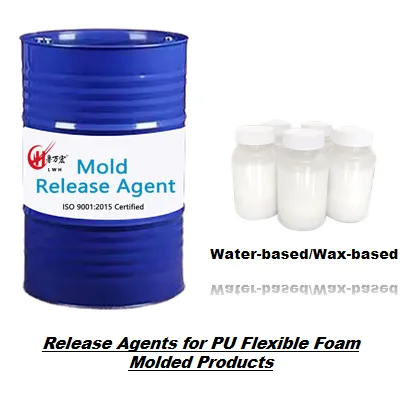
Oil-based agents play a crucial role in numerous industrial applications, from manufacturing processes to chemical treatments. These specialized formulations require precise storage conditions and careful handling protocols to maintain their effectiveness and ensure consistent release characteristics. Understanding the fundamental properties of oil-based agents is essential for industrial professionals who work with these materials daily. The viscosity, temperature sensitivity, and chemical stability of oil-based agents directly impact their performance in various applications. When these products are stored or handled improperly, their molecular structure can deteriorate, leading to inconsistent results and potential operational failures.
Understanding the Composition and Properties of Oil-Based Agents
Chemical Structure and Molecular Behavior
The molecular composition of oil-based agents determines their behavior under different environmental conditions. These complex formulations typically contain hydrocarbon chains of varying lengths, which influence their solubility, viscosity, and thermal stability. The presence of specific functional groups within oil-based agents affects how they interact with other materials and surfaces. Temperature fluctuations can cause molecular expansion or contraction, altering the agent's flow characteristics and release patterns. Industrial applications often require oil-based agents to maintain specific viscosity ranges to ensure optimal performance.
Physical Characteristics and Performance Indicators
Physical properties such as density, surface tension, and vapor pressure significantly impact how oil-based agents function in industrial processes. These characteristics determine the agent's ability to penetrate surfaces, form protective films, or facilitate chemical reactions. Monitoring these properties throughout storage and handling helps maintain consistent quality standards. The flash point of oil-based agents is particularly important for safety considerations during storage and transport. Understanding these physical parameters enables better prediction of how the agents will behave under various operational conditions.
Optimal Storage Conditions for Long-Term Stability
Temperature Control and Environmental Factors
Maintaining proper temperature ranges is critical for preserving the integrity of oil-based agents during extended storage periods. Most formulations perform best when stored between 15-25°C, though specific products may have different requirements. Extreme temperatures can cause phase separation, oxidation, or polymerization reactions that compromise product quality. Humidity control is equally important, as moisture can lead to emulsification or hydrolysis of certain components. Proper ventilation systems help prevent the accumulation of vapors that might affect product stability or create safety hazards.
Container Selection and Storage Infrastructure
The choice of storage containers significantly impacts the long-term stability of oil-based agents. Stainless steel, high-density polyethylene, or specially coated containers prevent chemical interactions that could alter product composition. Container materials must be compatible with the specific oil-based agents being stored to avoid contamination or degradation. Proper sealing mechanisms prevent oxygen exposure, which can lead to oxidation and rancidity. Storage facilities should incorporate features such as temperature monitoring systems, spill containment, and appropriate fire suppression measures to ensure both product quality and workplace safety.
Handling Protocols for Consistent Release Performance
Transfer and Dispensing Procedures
Proper handling techniques ensure that oil-based agents maintain their intended release characteristics throughout the supply chain. Transfer operations should minimize exposure to air, moisture, and contaminants that could affect product performance. Using dedicated transfer equipment prevents cross-contamination between different formulations. Gentle mixing or agitation may be necessary to maintain homogeneity, especially for products that tend to separate during storage. Temperature conditioning before use helps ensure that oil-based agents flow properly and release consistently in their intended applications.
Quality Control and Testing Procedures
Regular testing protocols help verify that oil-based agents continue to meet performance specifications throughout their lifecycle. Viscosity measurements, chemical composition analysis, and release rate testing provide valuable data about product stability. Documentation of test results creates a traceable record that supports quality assurance programs. Sampling procedures must be standardized to ensure representative results that accurately reflect the bulk product condition. Establishing acceptance criteria for key parameters helps identify when products may no longer meet required specifications.
Common Storage and Handling Challenges
Contamination Prevention and Control
Preventing contamination of oil-based agents requires strict adherence to cleanliness protocols and proper equipment maintenance. Foreign particles, water, or other chemicals can significantly alter the release characteristics of these sensitive formulations. Dedicated storage areas, cleaning procedures, and equipment validation help minimize contamination risks. Regular inspection of storage containers and transfer equipment identifies potential sources of contamination before they impact product quality. Training personnel in proper handling techniques reduces the likelihood of accidental contamination during routine operations.
Addressing Degradation and Stability Issues
Even under optimal conditions, oil-based agents may experience gradual degradation over time due to oxidation, thermal stress, or other factors. Understanding the signs of degradation helps identify when products may no longer perform as intended. Implementing first-in-first-out inventory rotation minimizes the risk of using degraded materials. Antioxidants and stabilizers can be added to formulations to extend shelf life and maintain consistent performance. Regular monitoring and testing help detect early signs of degradation before they significantly impact product performance.
Industry Applications and Specific Requirements
Manufacturing and Processing Applications
Manufacturing industries rely on oil-based agents for various processes including lubrication, surface treatment, and chemical processing. Each application has unique requirements for release rates, temperature stability, and compatibility with other materials. Understanding these specific needs helps optimize storage and handling protocols for different industrial sectors. The automotive industry, for example, requires oil-based agents that maintain consistent viscosity under varying temperature conditions. Pharmaceutical manufacturing demands the highest levels of purity and contamination control for oil-based agents used in drug production.
Specialized Formulations and Custom Requirements
Some industries require customized oil-based agents with specific performance characteristics that demand unique storage and handling approaches. Aerospace applications may need agents that perform reliably under extreme temperature and pressure conditions. Food processing industries require food-grade oil-based agents that meet strict safety and regulatory standards. Electronic manufacturing uses specialized formulations that must remain free from ionic contamination. These specialized applications often require enhanced storage conditions, more frequent testing, and stricter handling protocols to maintain their unique properties.
Regulatory Compliance and Safety Considerations
Environmental and Safety Regulations
Storage and handling of oil-based agents must comply with various environmental and safety regulations depending on the specific formulation and jurisdiction. Understanding applicable regulations helps ensure proper facility design, storage procedures, and waste management practices. Safety data sheets provide essential information about hazards, handling precautions, and emergency procedures for each product. Regular training and documentation help maintain compliance with evolving regulatory requirements. Environmental considerations include proper containment, waste disposal, and emissions control to minimize environmental impact.
Worker Safety and Training Programs
Comprehensive safety training programs ensure that personnel understand the proper procedures for handling oil-based agents safely. Personal protective equipment requirements vary depending on the specific agents and exposure risks involved. Emergency response procedures must be clearly defined and regularly practiced to ensure effective response to spills, fires, or other incidents. Health monitoring programs may be necessary for workers with regular exposure to certain types of oil-based agents. Creating a culture of safety awareness helps prevent accidents and ensures consistent adherence to safety protocols.
Future Trends and Technological Advances
Emerging Storage Technologies
Advanced storage technologies continue to evolve, offering improved methods for maintaining the stability and performance of oil-based agents. Smart monitoring systems provide real-time data on temperature, humidity, and other critical parameters. Automated inventory management systems help optimize storage conditions and ensure proper rotation of products. New container materials and coatings offer enhanced protection against degradation and contamination. These technological advances help reduce costs while improving the reliability and consistency of oil-based agents throughout their storage life.
Innovations in Formulation and Stabilization
Research into new stabilizer systems and formulation techniques continues to extend the shelf life and improve the performance consistency of oil-based agents. Nanotechnology applications offer new possibilities for controlled release mechanisms and enhanced stability. Green chemistry initiatives focus on developing more environmentally friendly oil-based agents that maintain performance while reducing environmental impact. Advanced analytical techniques provide better understanding of degradation mechanisms, leading to improved formulations and storage protocols. These innovations promise to make oil-based agents more reliable and easier to handle in industrial applications.
FAQ
What is the typical shelf life of oil-based agents under proper storage conditions
The shelf life of oil-based agents varies significantly depending on the specific formulation, storage conditions, and intended application. Under optimal storage conditions with proper temperature control, moisture exclusion, and minimal oxygen exposure, most oil-based agents can maintain their performance characteristics for 12 to 24 months. Some specialized formulations with advanced stabilizer systems may remain effective for up to 36 months, while others with more sensitive components may have shorter shelf lives. Regular testing and monitoring help determine the actual remaining shelf life for specific products and storage conditions.
How can temperature fluctuations affect the performance of oil-based agents
Temperature fluctuations can significantly impact oil-based agents by altering their viscosity, causing phase separation, or accelerating chemical degradation reactions. Repeated thermal cycling can break emulsions, cause component migration, or lead to container expansion and contraction that compromises sealing. High temperatures may accelerate oxidation or polymerization reactions, while low temperatures can cause crystallization or phase changes that affect flow properties. Maintaining stable storage temperatures within specified ranges is essential for preserving the intended release characteristics and overall performance of oil-based agents.
What are the most important factors to consider when selecting storage containers for oil-based agents
Container selection for oil-based agents should prioritize chemical compatibility, barrier properties, and structural integrity. The container material must not react with or absorb components from the stored product, which could alter its composition or performance. Effective barrier properties prevent oxygen and moisture ingress while minimizing vapor loss. Structural integrity ensures the container can withstand thermal expansion, handling stresses, and potential pressure changes. Additional considerations include ease of cleaning, cost-effectiveness, regulatory compliance, and compatibility with existing handling equipment and storage infrastructure.
How often should oil-based agents be tested during storage to ensure quality maintenance
Testing frequency for stored oil-based agents depends on the product stability, storage conditions, and criticality of the application. Generally, initial testing should occur within the first month of storage to establish baseline conditions, followed by quarterly testing for most applications. Products stored under challenging conditions or those with known stability issues may require monthly testing. Critical applications such as pharmaceutical or aerospace uses often demand more frequent testing, potentially monthly or even weekly for short-term storage. Establishing trending data through regular testing helps predict remaining shelf life and optimize testing schedules.
Table of Contents
- Understanding the Composition and Properties of Oil-Based Agents
- Optimal Storage Conditions for Long-Term Stability
- Handling Protocols for Consistent Release Performance
- Common Storage and Handling Challenges
- Industry Applications and Specific Requirements
- Regulatory Compliance and Safety Considerations
- Future Trends and Technological Advances
-
FAQ
- What is the typical shelf life of oil-based agents under proper storage conditions
- How can temperature fluctuations affect the performance of oil-based agents
- What are the most important factors to consider when selecting storage containers for oil-based agents
- How often should oil-based agents be tested during storage to ensure quality maintenance